Cameras & Sensors
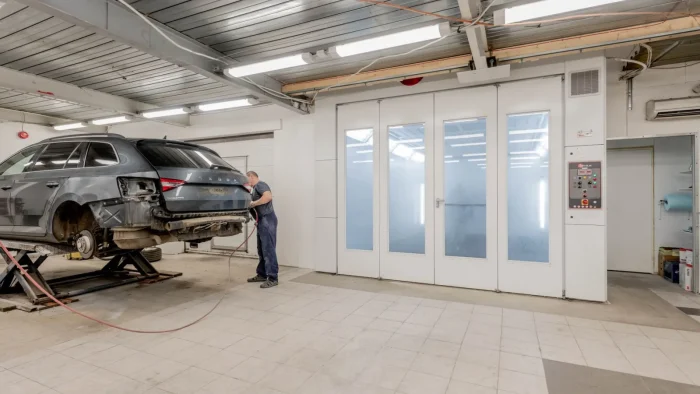
Repainting a Bumper and Sensor Calibration
How a bumper repaint over parking sensors causes false alerts, why thick paint degrades ultrasonic and radar signals, and the recalibration fix.
HaulVolt decodes lane-keep, collision, cruise, and blind-spot warnings so you can tell a five-minute clean from a real repair before you ever hand over your keys.
Explore by topic
Every driver-assist warning traces back to one of these systems. Pick the light on your dash.

Lane keep assist watches the painted lines and nudges you back when the car drifts. It…
20 guides
Forward collision warning and automatic emergency braking share the same radar and camera, so when one…
20 guides
Adaptive cruise control keeps a set gap to the car ahead using front radar, and it…
20 guides
Blind spot monitoring uses small radar units tucked inside the rear bumper, and those sensors live…
20 guides
Almost every driver-assist feature leans on a handful of cameras and radar units, so this section…
20 guides
New to driver-assist warnings? Start here. This section is the plain-English foundation for everything else on…
20 guidesEditor’s picks
How a bumper repaint over parking sensors causes false alerts, why thick paint degrades ultrasonic and radar signals, and the recalibration fix.
Run this blind spot system check on any used car before buying. Verify mirror indicators, rear cross-traffic alert, and sensors in ten minutes flat.
 Bhumi TripathiAugust 26, 2026
The most common adaptive cruise control myths debunked by an ASE master tech, from self-driving claims to weather limits and why systems drop out.
Bhumi TripathiAugust 23, 2026Volvo City Safety braking explained: how the low-speed auto-brake system works, what its temporarily unavailable message means, and when to get it checked.
Bhumi TripathiAugust 20, 2026Seeing lane keep assist not available? Work this checklist from clean camera glass and speed checks to settings and calibration to get it back fast.
Bhumi TripathiAugust 17, 2026Fresh off the lift
If your ADAS light stays on after reset, the fault is still active. Learn what a returning warning means, how to diagnose it, and when to recalibrate.
Bhumi TripathiAugust 14, 2026The most common sensor cleaning mistakes drivers make on ADAS cameras and parking sensors, plus the safe tools and methods that protect them.
Bhumi TripathiAugust 11, 2026Blind spot monitoring after bumper repair often fails from skipped calibration or reused clips. Learn the top mistakes and how to verify the fix worked.
Bhumi TripathiAugust 8, 2026The most common adaptive cruise control mistakes drivers make, from wrong gaps to skipped calibration, plus the correct habit that fixes each one.
Bhumi TripathiAugust 5, 2026Stop phantom braking highway scares with a step-by-step fix: clean sensors, adjust following distance, update software, and know when it is a real fault.
Bhumi TripathiAugust 2, 2026How rain and sun glare affect lane keep assist, why wet roads and low sun blind the camera, and simple steps to keep the system working in bad weather.
Bhumi TripathiJuly 30, 2026 Bhumi Tripathi
ADAS Specialist & Automotive Writer
Why trust HaulVolt
Every fix here was performed in a real service bay, not copied from a spec sheet.
We flag when a warning is a genuine hazard and when it is a harmless sensor glitch.
Claims are cross-referenced against manufacturer procedures and current guidance.
Most read this month
Quick answers
It depends on the light. A blind-spot or lane-keep symbol usually means that one convenience feature is paused, and the car still drives normally. A flashing brake or collision warning is different and deserves prompt attention. Our guides tell you which is which for each system.
Many cars mount the forward camera behind the windshield. Swapping the glass moves that camera a few millimeters, which is enough to require a recalibration. The light is the car asking for that calibration, not always a sign of damage.
Sometimes. A warning caused by a dirty sensor or a temporary block often clears on its own after a short drive once the obstruction is gone. Stored faults usually need a scan tool. Each guide walks through the safe order of checks before you spend money.
Plenty of independent shops now own the targets and software to calibrate cameras and radar. The dealer is not your only option. What matters is that the shop follows the correct static or dynamic procedure for your model.
It can. Losing power can wipe stored calibration data or leave a system in a not-ready state, so a light appears until the car relearns or is recalibrated. This is one of the most common and least understood causes we cover.