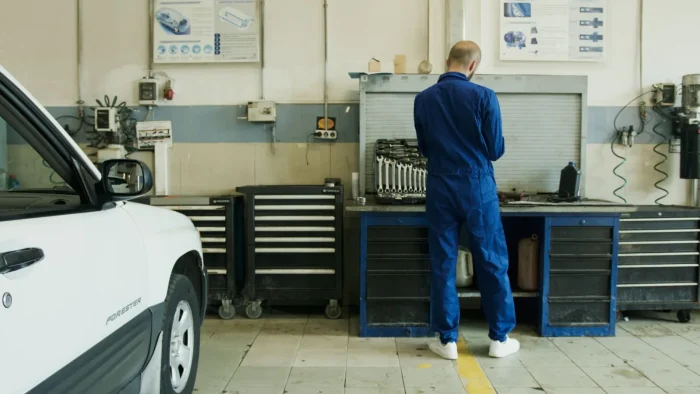
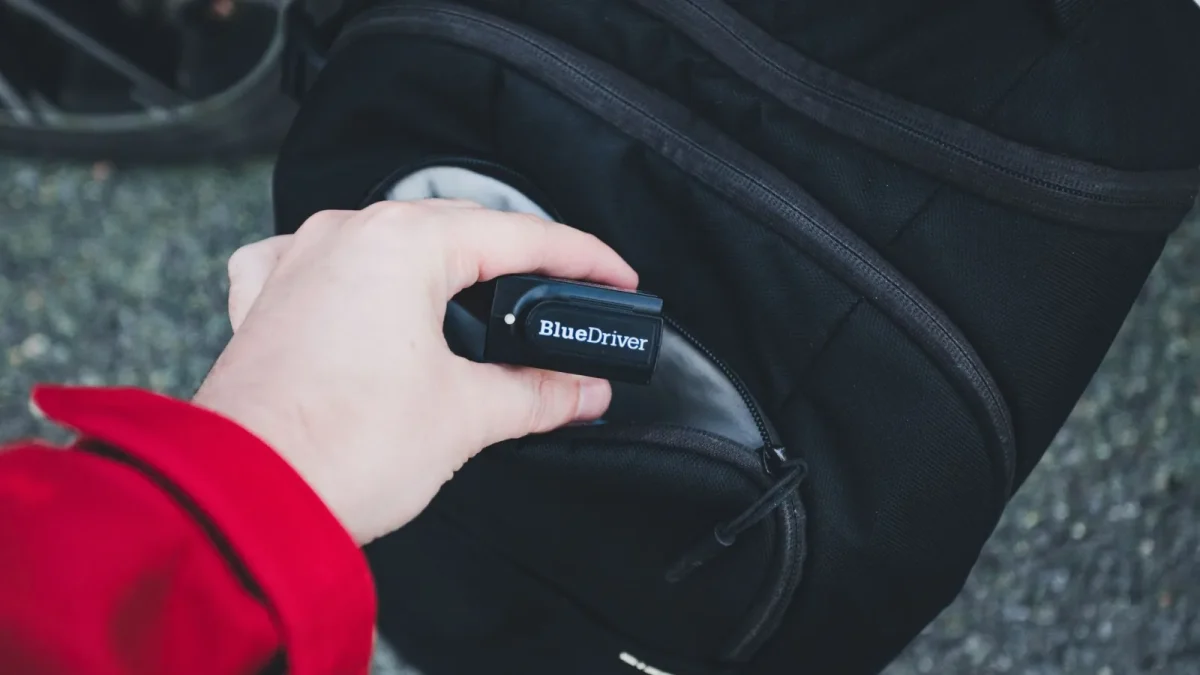
The parts counter guy talked a customer of mine into a $600 scan tool to deal with a single blind spot warning. It read the code fine. It could not aim the radar that was actually causing the fault, so the light came right back. He spent shop money to learn what a $30 reader would have told him for a twentieth of the price.
That story is why I want to walk you through what these tools actually do before you buy one. There are real tiers here, and knowing which tier you need saves both money and frustration.
Let me rank them the way I would for a friend who is curious but not a professional wrench.
Key takeaways
- Scan tools range from $20 code readers to $2,000 professional platforms, and most drivers need the cheap end.
- Reading and clearing a code is not the same as fixing the fault or calibrating a sensor.
- Generic OBD2 readers often cannot see ADAS-specific codes at all.
- Bidirectional and calibration-capable tools are shop territory, not driveway territory.
- For most beginners, a mid-tier brand-specific app or reader is the sweet spot.
1. The basic OBD2 code reader ($20 to $60)
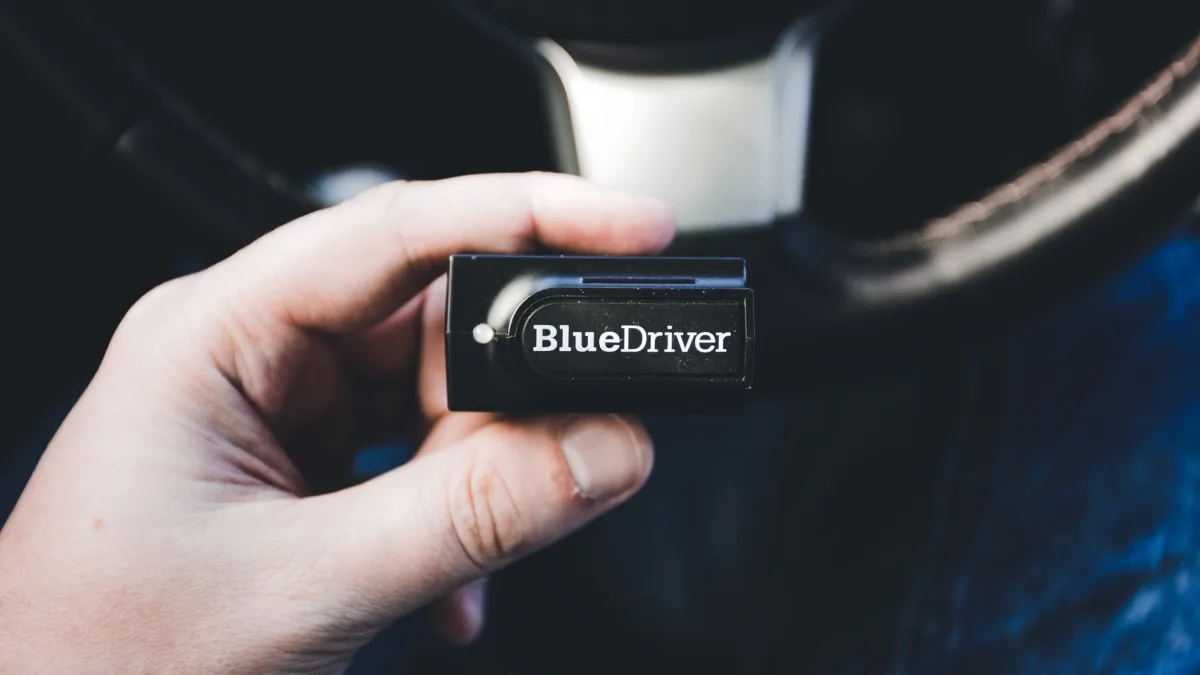
This is the plug-in reader or the Bluetooth dongle that pairs with a phone app. It reads and clears generic powertrain codes, the ones tied to the check engine light. It is genuinely useful and dirt cheap.
The catch: ADAS modules speak their own manufacturer-specific language. A basic reader often cannot see a lane-keeping or radar code at all, because those live in body and chassis modules the cheap tool ignores.
Good to know
The 16-pin OBD2 port under your dash has been standard on every US car since 1996. Every tool here plugs into it. The difference is not the connector, it is how deep into the car’s modules the software can reach.
2. The enhanced or brand-specific reader ($60 to $250)
Step up a tier and things get interesting for ADAS. These tools, or app subscriptions like a paid tier of a phone-based scanner, add manufacturer-enhanced coverage. Now you can often read the actual ADAS module codes on a Toyota, Honda, Ford, or Subaru.
For a beginner trying to understand why a light is on, this is usually the right buy. You get the fault code, a description, and freeze-frame data showing conditions when it set.
You can also clear codes here, which is where people get overconfident. Clearing is not fixing. If you want the full picture on that, our piece on what an ADAS reset can and cannot fix is worth ten minutes.
3. The mid-tier bidirectional scanner ($250 to $700)
Now we are into tools that talk back to the car. Bidirectional means the scanner can command components: cycle an actuator, run a test, sometimes initiate a basic reset procedure the module requires after a repair.
This tier is popular with serious DIYers and small independent shops. It reads deep ADAS codes across many brands and can perform some service functions a plain reader cannot.
Watch out
Bidirectional does not automatically mean calibration-capable. Plenty of $500 tools read every ADAS code beautifully and still cannot aim a radar or teach a forward camera its horizon. Read the feature list carefully before you assume it does calibration.
4. The calibration-capable platform ($1,500 and up)
This is where the real ADAS work happens, and it is firmly in professional territory. These platforms pair software with physical calibration equipment: targets, mats, mirrors, and precise measurement.
Static calibration means parking the car in front of a printed target board at an exact distance and running a routine. Dynamic calibration means driving at set speeds while the tool watches the camera learn. Both need this class of tool plus training. If you want the concept explained without the jargon, our ADAS recalibration basics for beginners covers it plainly.
No sensible driver buys one of these for a home garage. I am listing it so you understand why the shop quote for a calibration is what it is.
5. The free phone app trap
You will see ads for apps promising full ADAS diagnostics for free. Be skeptical. Most free apps only read generic OBD2 data, the same as the $20 dongle, and dress it up with a slick interface.
They are fine for checking a check engine code before a road trip. They are not going to decode your Honda CMBS fault or your Subaru EyeSight error, and they certainly cannot calibrate anything.
A scan tool that reads a code but cannot fix or calibrate the cause is a thermometer, not medicine. It tells you the temperature. It does not lower the fever.
How to pick the right tool for you
Match the tool to your actual goal, not to the biggest spec sheet.
- Just want to read a check engine light? A $20 to $40 basic reader is plenty.
- Want to see why an ADAS light is on before visiting a shop? Get an enhanced brand-specific reader in the $60 to $250 range.
- Doing your own repairs and comfortable with cars? A mid-tier bidirectional tool earns its keep.
- Need actual calibration after a windshield or bumper job? That is a shop, not a purchase.
For most people reading this, the second tier is the honest answer. It tells you whether the light is a nuisance or a real fault, which is exactly the decision most drivers are trying to make.
A word on clearing codes
Every tool from tier two up can clear codes, and that tempts people into treating the light as the problem. The light is a messenger.
If a radar is misaimed after a fender bender or a camera lost its calibration after a battery swap, clearing the code buys you a few miles before it returns. Our explainer on battery disconnect and ADAS warnings shows how often a simple power interruption is the real culprit.
Knowing when a reset is appropriate and when it is a band-aid is half the skill. The other half is knowing when to stop and let a shop with the tier-four gear finish the job.
Where to go from here
A scan tool is a fantastic first step for a curious owner. It turns a mysterious amber symbol into a specific code you can research, and that alone puts you ahead of most drivers who just panic.
Pair the reading with understanding. Start with the beginner guide to ADAS warning lights to learn what each symbol means, then use the right tier of tool to confirm what your car is telling you. If cost is your worry, our ADAS repair cost overview sets realistic expectations.
For a neutral, non-sales explanation of how these systems work, My Car Does What is a genuinely good resource put together by safety researchers. Read a little, scan a little, and you will spend far less at the shop than the driver who bought a $600 tool for a job it could never do.
Questions drivers ask
Usually not. Basic $20 to $60 readers see generic powertrain codes tied to the check engine light, but ADAS faults live in body and chassis modules those tools skip. To read a lane-keeping or radar code you generally need an enhanced brand-specific reader.
For most drivers, an enhanced or brand-specific reader in the $60 to $250 range is the sweet spot. It shows the actual ADAS fault code and description so you can tell whether the light is a nuisance or a real problem before you visit a shop.
Only high-end platforms costing $1,500 and up, paired with physical target boards and mats, can perform calibration. No handheld reader or phone app can aim a radar or teach a camera its horizon. Calibration is a shop job, not a driveway purchase.
No. Clearing a code erases the symptom, not the cause. If a sensor is misaimed or a camera lost calibration, the light returns after a few miles. Use clearing to test whether a fault is stored, not as a repair.
Most free apps only read generic OBD2 data, the same as a $20 dongle with a nicer interface. They are fine for a check engine light before a trip but will not decode brand-specific ADAS faults or calibrate anything.