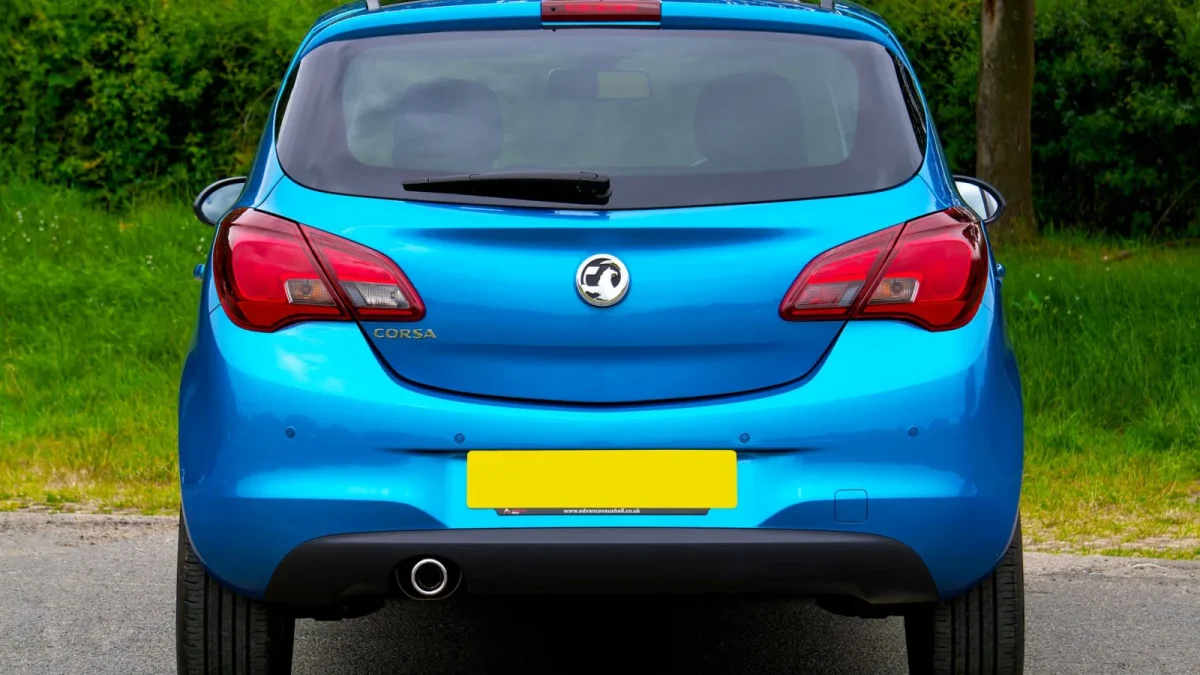
The dealership handed her the keys, the license plate frame from the sales team was already screwed on, and three weeks later her cross-traffic alert stopped working every time she backed out of a spot. She figured the car was broken. What actually happened was a chrome frame the width of a highlighter was sitting right on top of the rear radar. Cheap accessory, expensive-feeling problem.
Rear sensors get blocked more often than any other ADAS component, and it is almost always something the owner or a shop bolted on. Let me walk you through the mistakes I see over and over, because every one of them is avoidable once you know what to look for.
Key takeaways
- Thick or metal license plate frames can cover the rear radar and ultrasonic sensors that run blind spot and cross-traffic alerts.
- Tow hitches, ball mounts, and bike racks are the biggest offenders because they sit dead center in the sensor field.
- The most common mistake is mounting anything metal directly over a sensor and assuming the car will still see through it.
- Most fixes are free: swap the frame, remove the ball mount when not towing, or reposition a rack.
Mistake one: a thick or metal plate frame
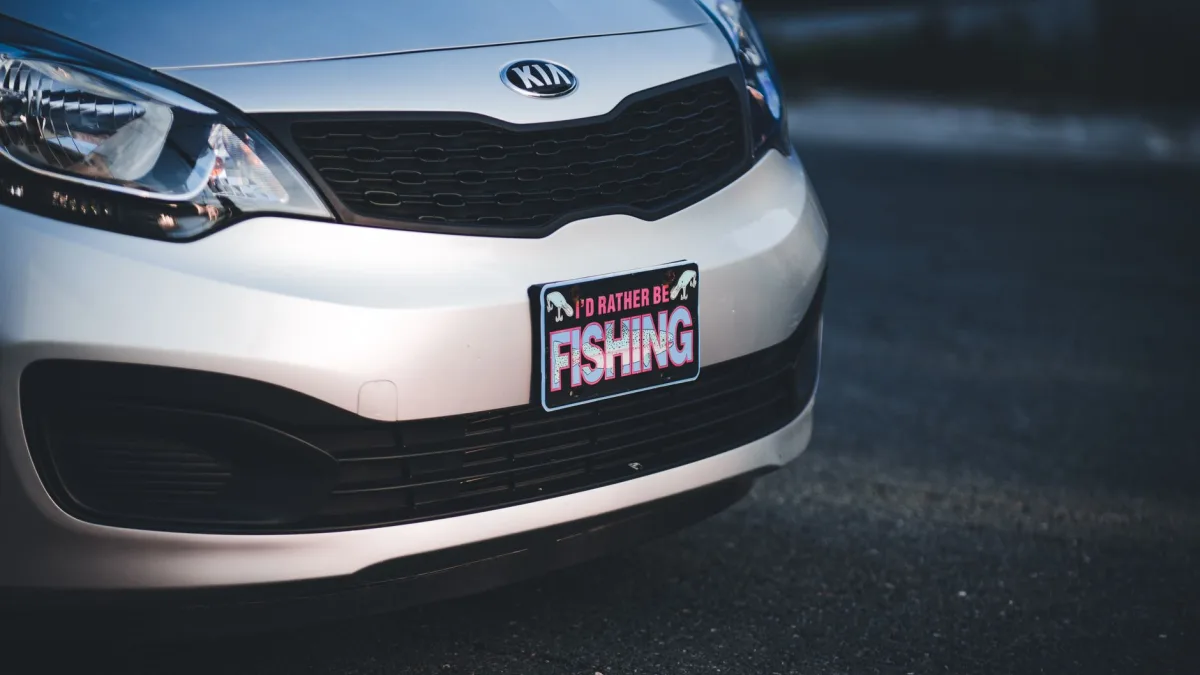
This is the classic. A decorative frame seems harmless, but the rear bumper is crowded with sensors, and a frame that extends too far or is made of dense metal can clip the edge of a radar’s field or bury an ultrasonic sensor.
The rear corner radar units that power blind spot monitoring and rear cross-traffic alert sit behind the bumper corners, but on many cars the plate is close enough that a wide frame reaches into their view. The round ultrasonic parking sensors, which sit right on the bumper face, are even easier to cover.
The fix is simple. Use a thin plastic frame, or none at all, and make sure it does not overlap any sensor. If your plate area is tight, mount the plate with no frame and skip the trouble entirely.
Good to know
Not sure where your rear sensors even are? The corner radar hides behind the painted bumper corners, and the ultrasonic buttons are the small round dots on the bumper face. I mapped all of them in where ADAS sensors are located on a car so you can spot exactly what a frame might be covering.
Mistake two: leaving the tow ball in year-round
This one surprises people. A trailer hitch receiver by itself is usually low enough to stay clear, but a ball mount left in the receiver sticks up right into the center of the rear radar and ultrasonic field.
The result is a car that constantly beeps at nothing, or a rear cross-traffic alert that fires as if a wall is behind you. The sensor is seeing the steel ball a foot away and screaming about it.
I tell every truck and SUV owner the same thing: pull the ball mount when you are not towing. It takes fifteen seconds and it stops your parking sensors from treating your own hitch as an obstacle.
Watch out
Some vehicles are smart enough to ignore a factory hitch, but an aftermarket receiver and a tall ball mount usually are not accounted for. If your reverse beeps went haywire the day you installed a hitch, the ball mount is your first suspect, not the sensor.
Mistake three: a bike rack or cargo carrier over the sensors
A hitch-mounted bike rack is a summer favorite and a sensor nightmare. Loaded with bikes, it fills the entire rear detection zone. The car does not know the difference between your two mountain bikes and a pedestrian standing behind the bumper.
Blind spot and cross-traffic systems get especially confused because the rack sits partly in the radar’s side view. You will see false alerts, or the system may disable itself and throw an obstruction warning.
There is no perfect fix while a loaded rack is on, but you can help. Fold or remove the rack when not in use, and understand that with it loaded, you should rely on your mirrors and your own eyes rather than the sensors.
Mistake four: assuming radar sees through everything
People hear that radar reads through plastic and assume it reads through anything. It does not. Radar passes through the plastic bumper cover, but it reflects off metal, just like the metal bull bars I describe in bull bars and grille guards blocking radar up front.
So a metal plate frame, a chrome plate surround, or a steel accessory over the bumper corner does the same thing to your rear radar that a bull bar does to the front. The material is the whole problem.
The plastic bumper is invisible to radar. The chrome frame you screwed onto it is not. That is the entire story behind most rear sensor faults I diagnose.
Which accessory causes which fault
Here is a quick way to match the symptom you are seeing to the likely culprit behind it.
| Accessory | Sensor affected | Typical symptom |
|---|---|---|
| Thick metal plate frame | Corner radar, ultrasonic | Blind spot or parking fault |
| Tall ball mount | Rear radar, ultrasonic | Constant reverse beeping |
| Loaded bike rack | Radar and camera | False cross-traffic alerts |
| Trailer plug or wiring | Ultrasonic if draped | Intermittent parking errors |
The five-minute self-check
Before you book a diagnostic, do this walkaround at the back of your car. It catches the vast majority of these mistakes.
- Look at the plate frame: is it metal, thick, or does it overlap any round sensor or bumper corner?
- Check the hitch: is a ball mount or adapter left in the receiver when you are not towing?
- Confirm no bike rack, cargo box, or trailer wiring is draped across the bumper face.
- Wipe the round ultrasonic sensors clean, since mud reads like an obstruction too.
- Test the system in an open lot after removing suspects, one change at a time.
Tip
Change only one thing at a time when you test. Pull the ball mount, drive and check. Then swap the frame, drive and check. If you remove three things at once and the fault clears, you never learn which one caused it, and you might reinstall the culprit.
When a self-check is not enough
If you have cleared every physical obstruction and the fault still stands, the sensor itself may be dirty inside, misaimed, or genuinely faulty. Ultrasonic sensors in particular can hold grime that a quick wipe misses, and the safe cleaning method is worth knowing before you scrub.
For a hands-on car owner, deciding whether to clean and reset yourself or hand it to a shop comes down to the sensor type and your comfort level, which I sort out in DIY vs professional ADAS sensor cleaning. A stubborn radar fault after everything is clear usually means a scan tool and possibly a recalibration.
Why these mistakes matter more than they seem
A blocked rear sensor is not just an annoyance. Blind spot monitoring and rear cross-traffic alert exist to catch the car you cannot see when you back out of a tight spot. A frame or ball mount that quietly disables them takes away a safety net you paid real money for and may not even realize is gone.
The whole family of these mounting mistakes shares one root cause: adding something to the outside of the car without checking what sensor lives underneath. For the complete map of every camera and radar and what interferes with each, the hub guide to ADAS cameras and sensors pulls it all together.
If you want an outside reference on what blind spot and cross-traffic systems actually do, MyCarDoesWhat explains each feature in plain language. Give your rear bumper a proper look this week, because the cheapest fix in the entire ADAS world is usually just unscrewing a frame.
Questions drivers ask
Yes, if it is thick or made of metal and overlaps a bumper corner or a round ultrasonic sensor. Metal frames reflect radar and cover the sensor face, which can disable blind spot monitoring, cross-traffic alert, or parking beeps. A thin plastic frame that clears the sensors is safe.
A ball mount left in the receiver usually sticks up into the rear radar and ultrasonic field, so the car reads it as an obstacle a foot behind you. Pull the ball mount when you are not towing and the beeping typically stops.
A loaded hitch bike rack fills the rear detection zone and sits partly in the radar's side view, so false cross-traffic and blind spot alerts are common. Fold or remove the rack when not in use, and rely on your mirrors while it is loaded.
Remove suspects one at a time and test in an open lot after each change. Pull the ball mount and check, then swap the frame and check. Changing one thing per test tells you exactly which accessory triggered the sensor fault.
Sometimes. If every obstruction is cleared and the fault remains, the sensor may be dirty inside, misaimed, or faulty, which usually needs a scan tool. Ultrasonic sensors can also hold grime a quick wipe misses and may need a proper cleaning.