Here is a fact that catches almost every driver off guard: the small camera behind your rearview mirror is glued to the windshield, and the moment a glass shop pulls that windshield out, the camera’s aim is no longer trustworthy. Not damaged. Not broken. Just aimed a hair off from where the factory set it.
That fraction of a degree is the whole story. A forward camera that reads the road from a slightly different angle will misjudge where lane lines sit and how far away the car ahead really is.
So when someone tells me their brand-new windshield “killed” their lane keep or automatic braking, I already know what happened. Nobody recalibrated the camera. Let me walk you through why windshield replacement camera calibration is not optional, and exactly what to demand from the shop doing your glass.
Key takeaways
- The forward ADAS camera is bonded to the windshield, so replacing the glass moves the camera and requires recalibration every single time.
- Skipping calibration can leave lane keep, automatic emergency braking, and adaptive cruise disabled, or working while quietly aimed wrong.
- Calibration usually adds $150 to $400 on top of the glass, and insurance often covers it if it is documented on the invoice.
- Confirm calibration is included in writing before the old glass comes out, not after your dash lights up.
Why the glass and the camera are one system
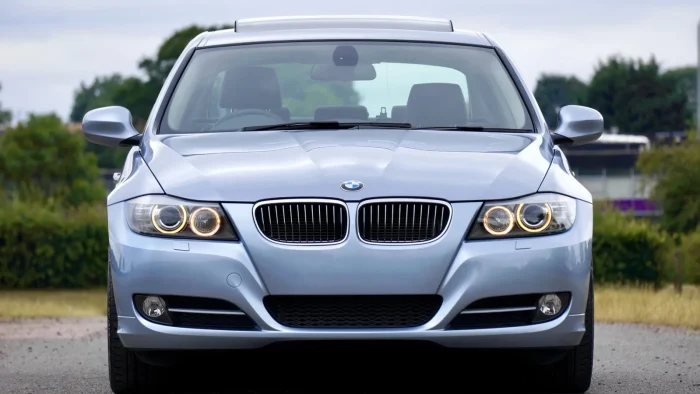
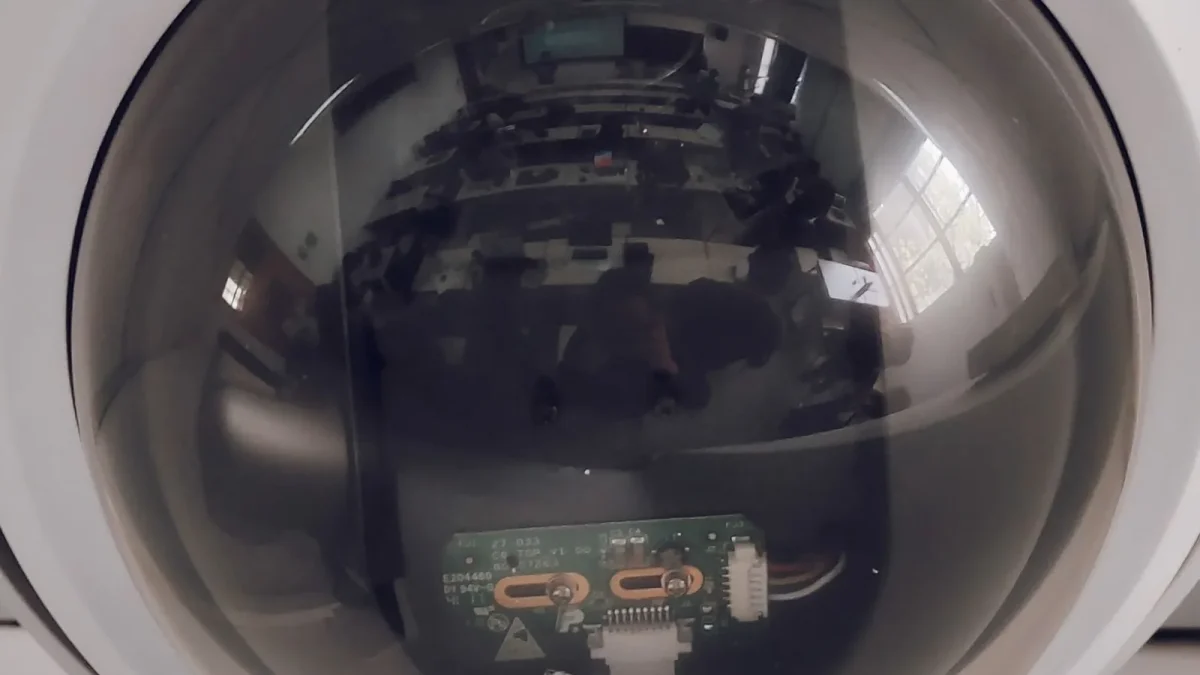
On nearly every vehicle built from about 2018 onward, a single forward-facing camera lives at the top center of the windshield, tucked behind the mirror. It looks straight through the glass to do its job.
That camera feeds a surprising number of features. On a Toyota it runs Lane Tracing Assist and Pre-Collision. On a Honda it drives the CMBS braking and Lane Keeping Assist. On a Subaru, the twin EyeSight cameras handle everything, since Subaru uses no forward radar at all.
The camera is calibrated at the factory to look at a precise spot on the road at a precise angle. That calibration assumes the glass is exactly where it was when the car was built.
Good to know
Windshield glass is not flat and it is not uniform. The curvature, thickness, and even the tint band vary between an OEM windshield and a cheap aftermarket one. The camera looks through that glass, so the glass itself is effectively part of the lens.
What actually moves during a glass swap
Picture the job on the bench. The technician cuts the old windshield free, unclips the camera from its bracket, lifts the glass out, and sets the new glass in a fresh bed of urethane.
Three things shift in that process, and any one of them throws the aim off.
The camera bracket lands slightly differently
The bracket that holds the camera is bonded to the new glass. Even with a factory bracket, it never sits in precisely the same spot as the old one, down to the millimeter. That tiny offset changes where the camera points.
The glass sits at a new height and rake
Fresh urethane sets the windshield at a marginally different height or angle than the old bead did. The camera rides with the glass, so its view of the road tilts with it.
The glass optical properties change
If the shop installs a non-OEM windshield, the curvature and clarity in front of the camera may differ. That alone can force the system to relearn what it is seeing.
What happens if nobody calibrates it
There are two outcomes, and one of them is genuinely dangerous.
The good outcome: the car notices the camera no longer agrees with itself and disables the whole driver-assist suite, throwing warning lights. Annoying, but honest. The system is telling you it does not trust its own eyes.
The bad outcome: the system comes back on and appears to work, but the camera is aimed a degree off. Lane keep nudges you toward the wrong part of the lane. Automatic braking reads the gap to the car ahead incorrectly and brakes late.
A system that shuts off is a nuisance. A system that runs while aimed wrong is a liability, because you will trust it right up until the moment it fails you.
This is exactly why calibration is a required step in the repair, not a nice-to-have add-on the shop can skip to save an hour.
Static, dynamic, or both
The recalibration itself comes in two flavors, and which one your car needs decides whether the shop needs a proper calibration bay or just a clear road. Some vehicles require both in sequence.
| Type | How it works | Typical time |
|---|---|---|
| Static | Printed targets set at exact distances in a level bay | 45 to 90 minutes |
| Dynamic | Drive marked roads at set speeds while the camera self-aligns | 20 to 45 minutes |
| Both | Static target setup followed by a validation drive | 60 to 120 minutes |
Subaru EyeSight and many European cars lean static, done in the bay with targets on stands. Some Toyota and Honda cameras use a dynamic drive on well-marked roads. If you want the full breakdown of the two methods, we cover it in static vs dynamic ADAS calibration explained.
Watch out
A quick-service glass shop that swaps your windshield over a lunch break may not own a single calibration target or a factory-capable scan tool. If they cannot calibrate in-house, they must coordinate with a dealer or an ADAS specialist before the job, not hand you the keys and wish you luck.
What to demand from the glass shop
The whole headache is preventable with a short conversation at booking. Here is the checklist I give friends before they schedule glass on any car with driver assist.
- Ask directly: is ADAS camera calibration included, and is it static, dynamic, or both?
- Confirm they use OEM or OEM-equivalent glass with the correct camera bracket and clarity zone
- Get the calibration written as a line item on the estimate, not a verbal promise
- Ask whether they calibrate in-house or sublet to a dealer or specialist
- Confirm they will provide a printed calibration report showing the system passed
- Verify the final invoice documents both the glass and the calibration for your insurer
A shop that knows what it is doing answers all of these without flinching. A shop that gets vague, or tells you calibration “usually is not needed” on a camera car, is a red flag.
The insurance angle nobody mentions
Most comprehensive glass claims cover the calibration too, because it is a required part of the repair. But insurers only pay for what is documented.
If the calibration is not written on the estimate and invoice, you can end up eating $150 to $400 out of pocket, or worse, driving on an uncalibrated system because the shop quietly skipped it. Get it in writing and the claim usually covers it. For the full range of what these procedures run, our breakdown of ADAS calibration cost lays out real numbers by system type.
Tip
Windshield glass is not the only trigger for a recalibration. Anything that disturbs a sensor or its aim counts, from front-end body work to certain alignments. Our guide to when ADAS calibration is required lists every event that should send you back for a calibration.
If your dash is already lit up
Reading this after the fact, with a fresh windshield and a wall of warning lights? The path is simple. You need a calibration, full stop.
Go back to the glass shop first and ask them to calibrate or coordinate it. If they cannot, a dealer or an independent ADAS specialist can. Bring the glass invoice so the calibration ties to the same repair event, which matters if insurance is involved.
Before you assume the worst, rule out the simple stuff too. A smeared or fogged camera window can mimic a calibration fault, and cleaning it takes two minutes. Our walkthrough on how to clean a windshield ADAS camera safely covers the gentle method so you do not make things worse.
Treat glass as a two-part job
The forward camera is one of the best safety features on your car, and it holds its accuracy for years, right up until the glass it lives behind gets swapped. From that point on, treat a windshield replacement as two jobs stitched together: the glass, then the calibration.
Do that, confirm it in writing, and you skip the whole ordeal. For the big picture of how every sensor and calibration fits together, the hub guide to ADAS cameras and sensors ties it all in one place. For a neutral outside read on why these systems are validated so carefully, the IIHS advanced driver assistance overview is worth a look.
Questions drivers ask
Yes, on any car with a forward camera behind the rearview mirror. Removing the glass moves the camera off its factory aim, even with a perfect reinstall. The system either disables itself or, worse, runs while aimed slightly wrong until it is recalibrated.
Most calibrations add $150 to $400 on top of the glass, depending on whether the car needs a static, dynamic, or combined procedure. Comprehensive glass insurance claims usually cover it, but only if the calibration is documented on the estimate and invoice.
You can drive, but you should not rely on the driver-assist features. An uncalibrated camera may leave lane keep and automatic braking disabled, or let them run while misjudging lane position and following distance. Get it calibrated before trusting those systems again.
No. Quick-service shops often lack calibration targets and a factory-capable scan tool. Ask before booking whether calibration is included and whether they do it in-house or sublet it to a dealer or ADAS specialist, and get it written as a line item.
It can. Non-OEM glass may differ in curvature, thickness, or clarity in the zone the camera looks through, which can cause calibration to fail or the system to misread the road. OEM or OEM-equivalent glass with the correct camera bracket is the safer choice.