
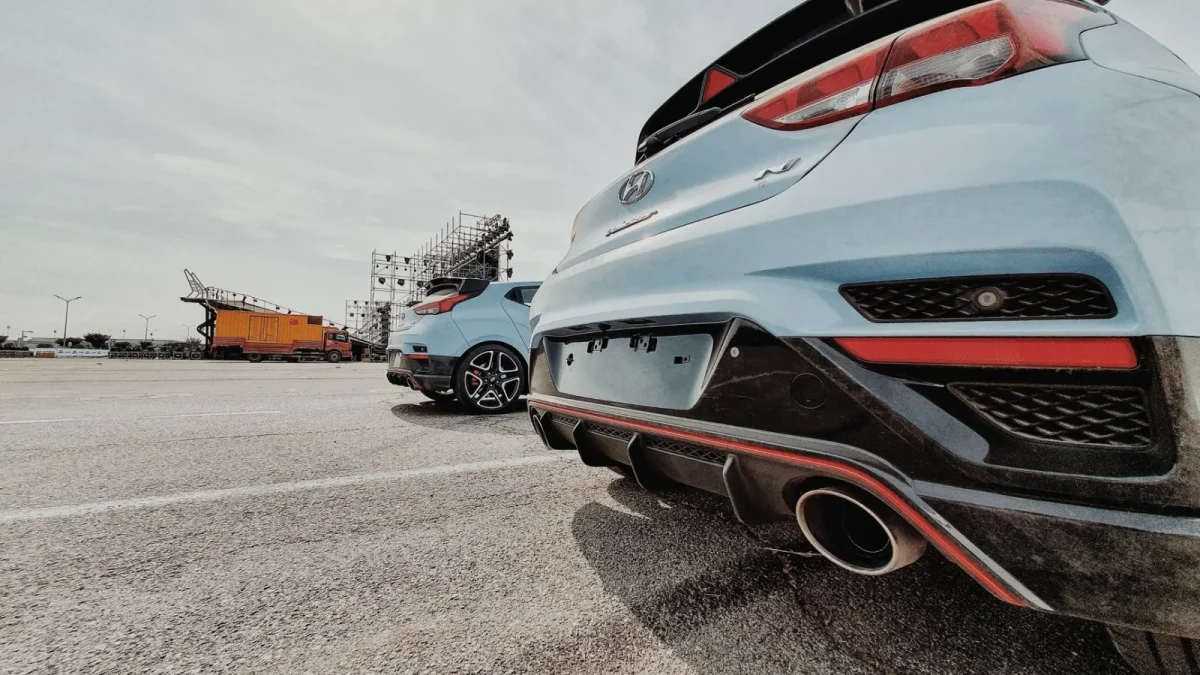
Those little round dots on your bumper, the ones you probably never think about until they start beeping at a shopping cart, are doing something genuinely clever. They’re bouncing sound off the world around your car, thousands of times a minute, and timing the echo to figure out how close you are to trouble.
Drivers ask me all the time whether those are cameras. They’re not. They’re ultrasonic parking sensors, and they work more like a bat than a lens. Once you understand how they hear the world, the beeps make a lot more sense, and so do the moments they go silent.
Key takeaways
- Ultrasonic parking sensors send out high-frequency sound pulses and measure the echo delay to calculate distance, typically working from about 8 feet down to a few inches.
- They have real blind spots: thin poles, curbs below bumper height, and soft surfaces that absorb sound instead of reflecting it.
- Paint thickness matters. Aftermarket repaints and thick vinyl wraps over the sensor face can muffle the pulse and cause false or missing readings.
- Dirt, ice, bug residue, and cheap plastic bumper covers all degrade accuracy, and most faults are cleaning issues, not electronics failures.
How sound becomes a distance reading
Each sensor holds a tiny transducer, a component that both speaks and listens. It emits a burst of sound well above what your ears can hear, usually around 40 to 48 kHz, then goes quiet and waits.
When that pulse hits an object, part of it bounces back. The transducer catches the returning echo and the car’s module does simple math: sound travels at a known speed, so the round-trip time tells it exactly how far away the object is. Closer object, faster echo, faster beeping.
Multiple sensors across the bumper let the system triangulate roughly where the object sits, left, center, or right. That’s how your display can show which corner is about to meet a pillar.
Good to know
Because they rely on the speed of sound, ultrasonic sensors are slightly affected by temperature and humidity. It’s minor, but on a bitter cold morning the readings can shift by an inch or so. The system compensates, but it’s the reason accuracy isn’t laser-perfect.
What they see well, and what they miss
Ultrasonic sensors shine at detecting broad, solid, upright surfaces: a wall, a car bumper, a garage door, another vehicle. Anything with a flat face that reflects sound cleanly back.
Where they struggle is more interesting, and more dangerous if you don’t know it.
The classic blind spots
- Thin vertical objects. A sign pole or a skinny bollard can slip between the sound cones. The sensor may not register it until you’re very close, or at all.
- Low obstacles. A parking curb or a short landscaping border below bumper height often sits under the sensor’s coverage.
- Sound-absorbing surfaces. Snowbanks, dense bushes, and even certain foam or fabric surfaces soak up the pulse instead of reflecting it. Less echo, weaker detection.
- Angled surfaces. A steeply angled wall can deflect the echo away from the sensor entirely, like a mirror pointed the wrong way.
Parking sensors are an assist, not a guarantee. I’ve seen more than one cracked bumper from a driver who trusted the silence over a quick glance in the mirror.
These systems pair naturally with your reversing camera, and if you run a 360 setup, the two cover each other’s weaknesses. Keeping both lenses clean matters, which is why we walk through cleaning 360 surround view cameras the right way.
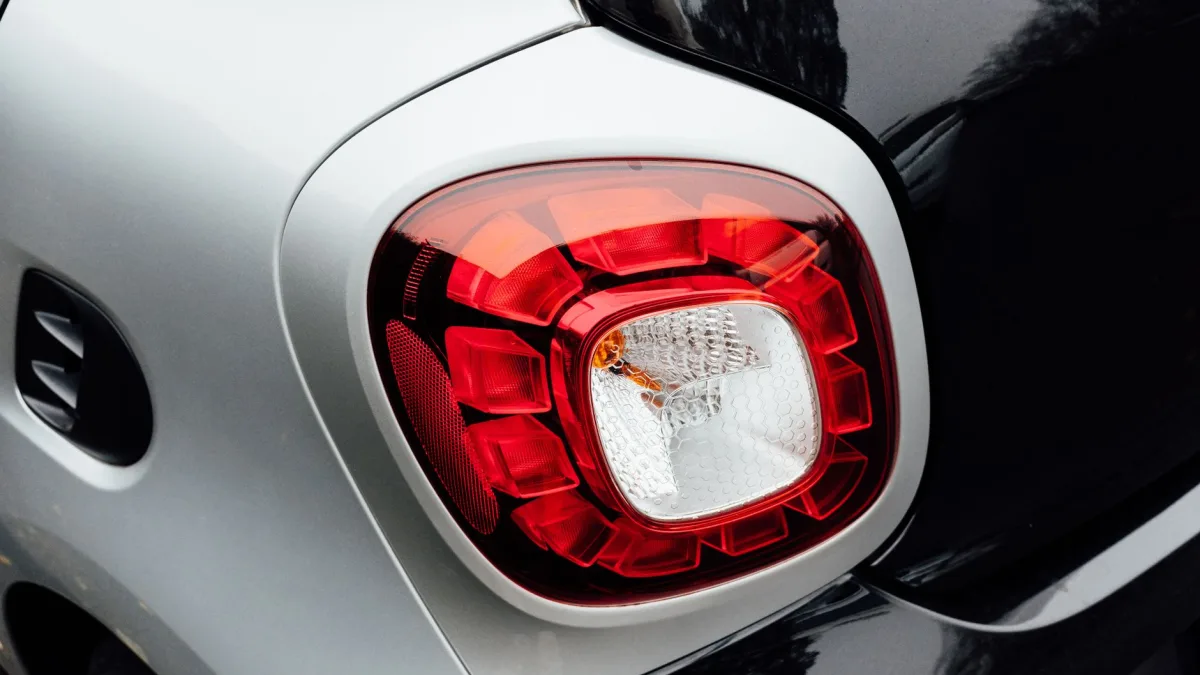
Why paint and covers matter more than you’d guess
Here’s a repair story that surprises people. A customer had his bumper repainted after a fender bender, and afterward the rear sensors started throwing random beeps in an empty parking lot. Nothing was wrong with the electronics.
The body shop had laid the paint too thick right over the sensor faces. Ultrasonic pulses are delicate, and even a heavy clear coat can muffle the outgoing sound and dampen the returning echo. The fix was refinishing those spots to the correct thickness.
Watch out
If you’re repainting a bumper or adding a vinyl wrap, tell the shop your sensors are ultrasonic. They need a thin, even coat over each sensor and should never bury a sensor under layered vinyl. Thick material is a common cause of false readings after cosmetic work.
The same logic applies to grime. A crusty layer of mud, road salt, or bug splatter over a sensor face acts like a muffler. That’s usually the first thing I check, and often the whole fix. Our guide on cleaning ultrasonic parking sensors covers the safe way to do it without popping a sensor out of the bumper.
The rear clutter problem
Rear sensors have their own special enemy: whatever you bolt to the back of the car. A thick license plate frame, a hitch-mounted bike rack, a trailer ball, or a chunky towbar can all sit inside the detection zone and trigger constant false alerts.
License plate frames are the sneaky one. A tall decorative frame can clip the lower sensors’ field just enough to confuse them. If your rear sensors beep with nothing behind you, read our piece on license plate frames blocking rear sensors before you assume the module failed.
Cleaning and simple upkeep
The good news is that keeping these sensors happy costs nothing but a minute of attention.
- Wipe each sensor face with a damp microfiber cloth during a normal wash. No harsh scrubbing.
- Clear ice and packed snow gently with a gloved hand, never a metal scraper against the sensor.
- Check after off-road trips or muddy driving, since a dried crust is a top cause of dropouts.
- Avoid pressure-washing directly at close range, which can force water past the seal over time.
Tip
If one sensor beeps constantly or the whole system chirps once and quits at startup, that single tone is often the module reporting a blocked or faulty sensor. Clean first. If it persists, that specific sensor may need testing.
When it’s really a fault, not dirt
Most of the time cleaning solves it. But ultrasonic sensors do fail. Water intrusion behind a cracked sensor, a wiring chafe in the bumper harness, or impact damage from a parking tap can all take one out.
A telltale sign of a hardware fault is a single sensor that reads a fixed distance no matter what, or a system that disables itself with a warning even when everything is spotless. At that point it’s diagnostic time, and you’ll want to decide between doing it yourself and letting a shop handle it. Our comparison of DIY versus professional sensor cleaning lays out where the line sits.
For a wider view of how parking sensors fit alongside radar, cameras, and the rest of your driver-assist suite, the full ADAS cameras and sensors guide ties it all together. If you want a neutral third-party take on how well these systems perform in the real world, the IIHS driver-assistance research is a solid read.
The short version from the bay
Ultrasonic parking sensors are honest little devices. They tell you what they hear, and they hear less when they’re dirty, painted over, or aimed at something soft and skinny. Respect their blind spots, keep their faces clean, and treat the beeping as helpful commentary rather than gospel.
Do that, and they’ll save your bumper far more often than they annoy you. Ignore them, bury them under vinyl, or trust them blindly, and eventually you’ll meet a pole they never saw coming.
Questions drivers ask
Each sensor sends a burst of high-frequency sound, around 40 to 48 kHz, then listens for the echo bouncing back off an object. The round-trip time tells the car how far away the object is. Closer objects return a faster echo, which is why the beeping speeds up as you get near.
False beeps usually come from something in the detection zone you have stopped noticing, like a tall license plate frame, a trailer hitch, or a bike rack. Thick paint, a vinyl wrap, or caked dirt over the sensor face can also cause phantom readings. Check for obstructions and clean the sensors first.
Yes, and this is their main weakness. Low curbs often sit below the sensor coverage, and thin poles or bollards can slip between the sound cones. Soft surfaces like snowbanks and bushes also absorb the pulse. Always glance at your mirrors and camera rather than relying on the beeps alone.
It can. If a body shop lays paint or clear coat too thickly over the sensor faces, it muffles the outgoing sound and the returning echo, causing false or missing readings. Tell the shop your sensors are ultrasonic so they keep the coating thin and even over each one.