The number that lands hardest at my counter is not the part price, it is the calibration line on the estimate. A driver expects a $350 windshield and then sees another $300 sitting right underneath it for something they cannot even see happen. Their first reaction is almost always, “Wait, what am I actually paying for here?”
Fair question. So let me open the books and walk you through what ADAS calibration really costs, why the same job varies by hundreds of dollars between a dealer and a glass shop, and what pushes a bill higher than the quote.
Key takeaways
- A single ADAS calibration typically runs $150 to $400, with dual procedures reaching $500 to $600 or more.
- Dynamic (road-drive) calibrations usually cost less than static (target-board) calibrations because they need less specialized equipment.
- Dealers often charge more than independent glass or calibration shops, but they use the exact factory procedure and targets.
- The biggest cost surprises come from vehicles that require both static and dynamic calibration, or from a job that fails and has to be repeated.
The short answer on price
For most mainstream vehicles, expect a single-sensor ADAS calibration to fall between $150 and $400. That covers the technician time, the scan tool, and the target setup or road drive. It is a labor-and-equipment charge, not a parts charge, which is exactly why it feels invisible.
Where it climbs is when your car needs more than one procedure or more than one sensor aimed. A vehicle that demands both a bay calibration and a road test can land at $500 to $600, sometimes higher on luxury European models.
Good to know
Calibration is almost always priced separately from the repair that triggered it. A windshield quote and a calibration quote are two different lines, and a reputable shop will tell you both up front. If a glass quote seems suspiciously cheap, ask whether calibration is even included.
Cost by calibration type
The method your car requires is the single biggest driver of price. If you want the full explanation of these methods, our static vs dynamic calibration guide breaks them down, but here is how they translate into dollars.
| Type | Typical cost | Why |
|---|---|---|
| Dynamic only | $150 to $300 | Scan tool plus a road drive, less gear needed |
| Static only | $200 to $400 | Target boards, level floor, bay time |
| Static plus dynamic | $400 to $600+ | Both procedures, more labor |
| Luxury or European | $400 to $900 | Complex multi-sensor setups |
Those ranges hold for common brands like Toyota, Honda, Ford, Subaru, Hyundai, and Kia. Once you get into BMW, Mercedes, Audi, or a vehicle with front radar plus surround cameras plus corner sensors, the labor stacks up and so does the total.
Why the dealer and the glass shop quote different numbers
This is the question I get after someone shops around and finds a $200 spread on the same calibration. Both quotes can be legitimate. They just come from different business models.
Dealership pricing
Dealers use the factory scan tool, factory target boards, and the exact manufacturer procedure. That precision costs more in labor rate, often $150 to $200 per hour, and they rarely discount it. The upside is that on a tricky or brand-new model, they already have the correct targets and software.
Independent and glass-shop pricing
A growing number of independent shops and mobile calibration outfits invest in universal target systems that cover many brands. Their labor rate is usually lower, and they compete harder on price. A good one does excellent work, but the equipment and training vary shop to shop, so it pays to ask what tools they run.
Watch out
The cheapest quote is not always the real quote. If a shop skips the calibration entirely to win the glass job, you did not save money, you drove away with a misaimed camera. Confirm calibration is in writing on the estimate, not a verbal “we’ll take care of it.”
What drives a bill higher than expected
Even an honest estimate can grow once the car is on the rack. Here are the usual reasons the final number climbs.
- Dual procedure: the car needs both a static and a dynamic calibration, doubling the labor.
- Multiple sensors: front camera, front radar, and corner radars each may need their own routine.
- Failed first attempt: a dynamic drive aborted by weather or faded lane paint means a second try.
- Pre-existing damage: a bent bracket or prior bad repair has to be fixed before the aim will hold.
- Alignment needed first: if the car is out of alignment, calibration cannot pass until that is corrected.
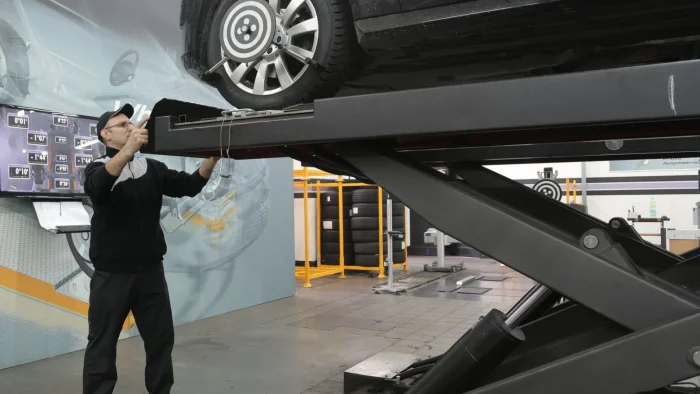
That last one connects two jobs people think are unrelated. If your suspension or alignment is off, the camera cannot be aimed correctly, which is why we wrote up how wheel alignment ties into ADAS calibration.
Calibration does not fix a crooked car. If the alignment is wrong, the camera has nothing true to reference, and the procedure will fail until the wheels are set right.
Does insurance cover it?
Often, yes. When calibration is required because of a covered event, a collision repair or a comprehensive glass claim, most insurers pay for the calibration as part of the repair. The key is making sure the shop documents that calibration was necessary and performed.
Glass claims are the common case. A rock cracks your windshield, comprehensive coverage pays for the glass, and the calibration that follows is usually covered too. Our windshield replacement and recalibration guide explains how to make sure that line does not get left off the claim.
Is it worth paying for?
Every dollar of a proper calibration buys you a safety system that actually knows where it is looking. Automatic emergency braking that judges distance correctly. Lane keep that centers you instead of nudging you toward the shoulder. Adaptive cruise that holds a clean gap.
Skipping it to save $250 is a bad trade, because the failure mode of a misaimed camera is exactly the situation you bought the safety system for. Consumer Reports’ car safety coverage is a neutral read on how much these systems reduce crashes when they work as designed.
Tip
Get the calibration quote before you approve the repair, not after. Ask three things: does my car need static, dynamic, or both, is calibration included in this price, and will you provide a scan report showing it passed. A shop that answers all three cleanly is worth the money.
Keeping future costs down
The best way to avoid a repeat calibration bill is to keep the sensors clean and unobstructed so they do not fail or fault in the first place. A blocked radar or a filthy camera can mimic a calibration problem and send you chasing a fix you do not need.
Our roundup of DIY versus professional sensor cleaning shows what you can safely handle yourself, and the complete ADAS cameras and sensors guide pulls together every calibration, cleaning, and obstruction topic in one place.
Calibration is not the part of car ownership anyone enjoys paying for. But once you understand that you are buying a correctly aimed set of eyes for your car, the line item makes a lot more sense than it did the first time it landed on your estimate.
Questions drivers ask
A single calibration usually runs $150 to $400. Dynamic road-drive jobs sit at the lower end, static target-board jobs in the middle, and vehicles that need both procedures can reach $500 to $600 or more. Luxury European models run higher.
Calibration is a labor-and-equipment service, not a part, so it is billed separately from the glass. A windshield quote covers the glass and install, while the calibration line covers the scan tool, targets or road drive, and the technician's time to re-aim the camera.
It depends. Dealers use the exact factory procedure and targets, which helps on new or complex models. A well-equipped independent or mobile calibration shop can do excellent work for less. Ask what tools they run and get the pass report either way.
Usually, when it follows a covered event like a collision repair or a comprehensive glass claim. Most insurers cover the calibration as part of the repair. Make sure the shop documents that calibration was required and performed so it is not left off the claim.
Common reasons are a car that needs both static and dynamic procedures, multiple sensors each needing their own routine, a road drive that failed and had to be repeated, or an alignment that had to be corrected first before the aim would hold.