
I keep a mental tally of the money I’ve watched drivers throw away on their driver-assist systems, and it’s staggering. Not on real repairs, mind you. On things that were never broken, fixes that were never needed, and shop upsells that preyed on a little bit of dashboard panic. Almost all of it traces back to a handful of stubborn myths.
These beliefs sound reasonable. That’s why they’re expensive. Someone hears them from a neighbor, a forum, or a shop with a slow afternoon, and suddenly they’re paying for a service their car didn’t want. Let me take these apart one by one so your money stays in your pocket.
Key takeaways
- A single ADAS warning rarely means a costly repair; many clear on their own or with a simple reset.
- You almost never need dealer-only service for basic diagnosis, and independent shops can handle most calibrations.
- Aftermarket “ADAS delete” or bypass products usually cause more problems than they solve.
- Ignoring the actual cause to chase a cheap reset is how a $0 fix turns into a $400 one.
Myth 1: Every ADAS warning means a big repair bill
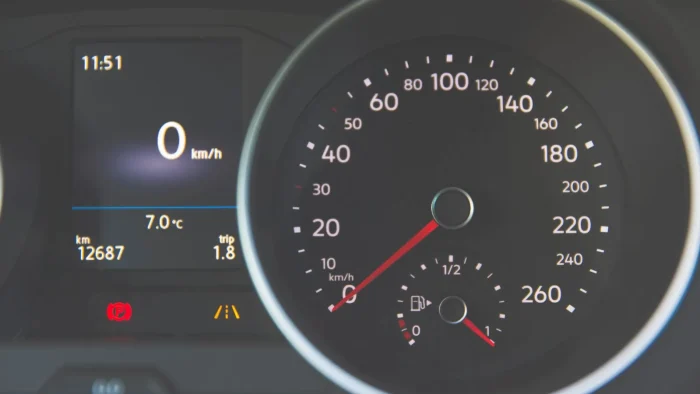
This is the fear that funds a lot of unnecessary shop visits. A light comes on, the driver assumes the worst, and they brace for a four-figure estimate. In reality, a large share of these warnings are temporary and cost nothing to resolve.
Low battery voltage, a snow-covered sensor, a bug-smeared camera, or a one-time software hiccup will all trigger warnings that clear once the condition passes. I’d estimate more than half the “urgent” ADAS lights I see could have been handled in the driveway with a clean sensor and a restart.
Before you panic, work through what to do when an ADAS warning comes on. It’s a calm checklist that separates the nothing-burgers from the real faults, and it’s saved plenty of people an unneeded appointment.
Tip
When a warning appears, note whether it stays on solid or flickers off after a restart or a sensor cleaning. A light that clears and stays gone was almost certainly temporary and cost you nothing.
Myth 2: Only the dealer can touch your ADAS
Dealers want you to believe this, and for a few very specific programming jobs it’s occasionally true. For the vast majority of scanning, code-reading, and even calibration, a well-equipped independent shop can do the same work, often for meaningfully less.
I’ve watched drivers pay a premium at a dealer for a calibration an independent down the street does daily with the same target equipment. The gap can be $100 or more on a single job. Ask around before you assume the dealer is your only option.
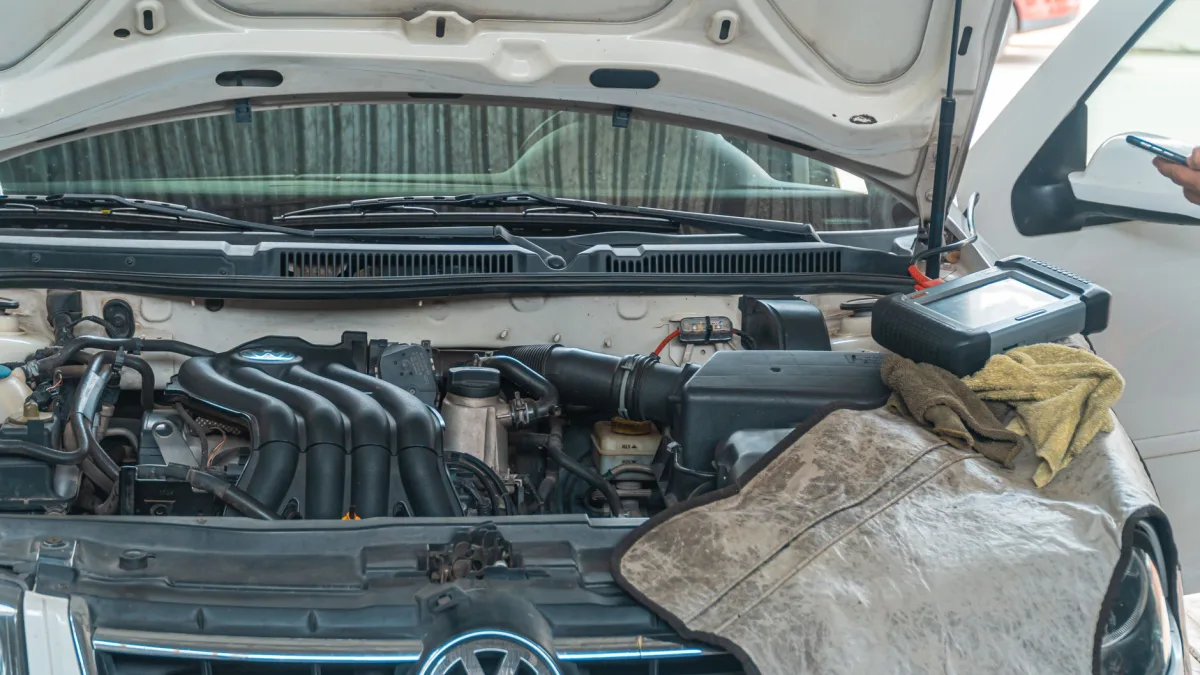
If you’re curious what tools are even in play, our rundown of scan tools for ADAS beginners shows what a shop uses and what you can reasonably check yourself.
Myth 3: A cheap reset always solves it
The flip side of dealer fear is reset optimism. Some drivers swing the other way and assume any warning can be zapped away with a $40 reset at a general shop. When the fault is real, that reset holds for about a day.
Here’s the trap in action. A customer paid three separate shops to “reset” a Subaru EyeSight warning that kept returning. What he actually needed was a dynamic recalibration after a windshield swap. Three resets later, he’d spent more than the calibration would have cost in the first place.
A reset you keep repeating isn’t a bargain. It’s an installment plan on avoiding the real fix.
The honest boundary between the two is worth learning cold. We map it out in what an ADAS reset can and cannot fix, so you know before you pay whether a reset even has a chance of working.
Myth 4: Aftermarket bypass gadgets are a smart shortcut
The internet is full of little devices that promise to “disable” or “trick” your ADAS so a warning goes quiet or a feature stops nagging. I’ve had to undo the damage from these more times than I can count, and it’s rarely cheap.
These bypass modules can confuse other systems, throw new codes, and in some cases leave safety features silently disabled without telling you. Worse, they can complicate an insurance claim or an inspection. If you genuinely want a feature off, your car almost certainly has a legitimate menu setting for it.
Watch out
Physically disabling a safety system with an aftermarket gadget can leave you liable and can fail an inspection. Before buying one, read whether you can turn off an ADAS system the proper way, which is usually built right into your settings.
Myth 5: A used car with an ADAS light is a lost cause
This one costs buyers in the opposite direction: they either walk away from a good car or overpay a seller to “fix” something minor. An ADAS warning on a used car isn’t automatically a deal-breaker or a bottomless repair.
Often it’s a car that had a windshield or bumper done and never got recalibrated, which is a known, bounded cost. Sometimes it’s just a low battery from sitting on the lot. The key is diagnosing before you assume, not panicking at the light.
If you’re shopping, run through our buying a used car with ADAS checklist first. It tells you what to test-drive for and which warnings are cheap versus which ones should make you negotiate hard.
Myth 6: Winter weather warnings mean your system is failing
Every cold season I get a wave of drivers convinced their ADAS died, when really it just met a snowbank. Snow, ice, road salt spray, and low winter sun routinely block sensors and gray out features. That’s the system protecting itself, not breaking.
Paying for diagnosis on a warning that only shows up in a blizzard is money down the drain. Clear the grille, wipe the windshield camera area, and the feature usually returns. Our guide to ADAS in winter and snow explains exactly what’s normal cold-weather behavior versus a genuine fault.
Where the wasted money actually goes
To make this concrete, here’s the pattern I see repeated. The same warning gets handled two ways, and the price difference is entirely about knowing the myth from the fact.
| The situation | Myth-driven move | Smart move |
|---|---|---|
| Light after windshield swap | Pay for repeated resets | One recalibration, done |
| Warning in a snowstorm | Book a diagnostic visit | Clean sensors, drive on |
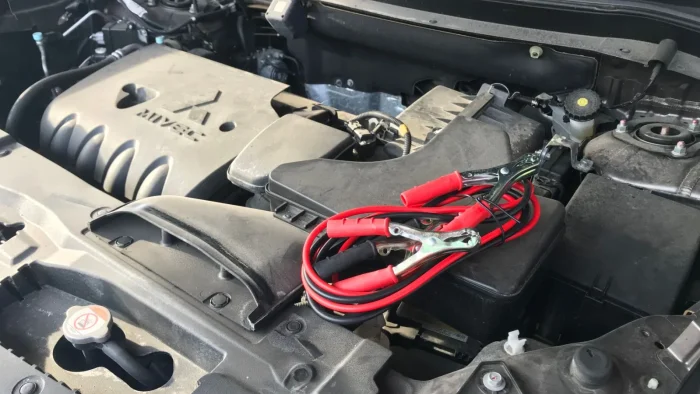
| Simple code after a jump | Rush to the dealer | Stabilize battery, clear code |
| Feature nagging you | Buy a bypass gadget | Use the built-in setting |
Good to know
Consumer safety resources are clear that these systems reward correct diagnosis over quick silencing. Sites like Consumer Reports track how driver-assist features perform and where owners tend to overspend.
How to stop the money leak
The cure for all of these myths is the same, and it’s boring in the best way: diagnose before you spend. A quick scan or an honest look at what changed before the light appeared answers most of the question for free.
Ask what happened just before the warning. Battery work points to a simple reset. Glass or body work points to calibration. Bad weather points to nothing at all. A light out of nowhere points to a scan. That single question steers you away from almost every expensive mistake in this list.
The mindset that saves you the most
Treat your ADAS warnings like a check-engine light, not a fire alarm. They’re information, not an emergency demanding your wallet on the spot. Slow down, figure out the cause, and match the fix to the fault.
For the full beginner foundation, keep ADAS warning lights explained for beginners handy. Understand your car even a little, and these myths lose their power to cost you. The drivers who overpay are almost always the ones who acted before they understood.
Questions drivers ask
No. A large share of ADAS warnings come from low battery voltage, a blocked sensor, or a one-time glitch, and they clear on their own or with a simple reset. Diagnose the cause before assuming a big bill is coming.
Usually not. A well-equipped independent shop can handle most scanning, code-reading, and calibration with the same target equipment, often for noticeably less than a dealer. Only a few specific programming jobs truly require the dealer.
No. These aftermarket devices can confuse other systems, set new codes, and silently disable safety features. They may also complicate inspections and insurance. If you want a feature off, use your car's built-in setting instead.
Only when the fault was temporary. If the warning is caused by a moved sensor or failed part, a reset holds for about a day before the light returns. Repeated resets often cost more than the proper repair would have.
Not automatically. The light is often a car that needs recalibration after glass or body work, which is a known, bounded cost, or simply a weak battery. Diagnose it before you walk away or overpay for a fix.