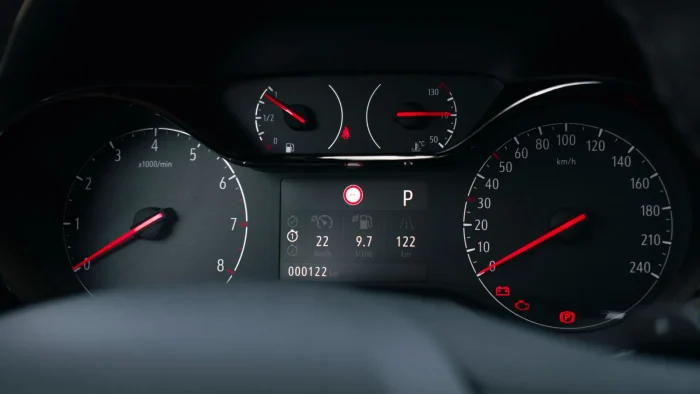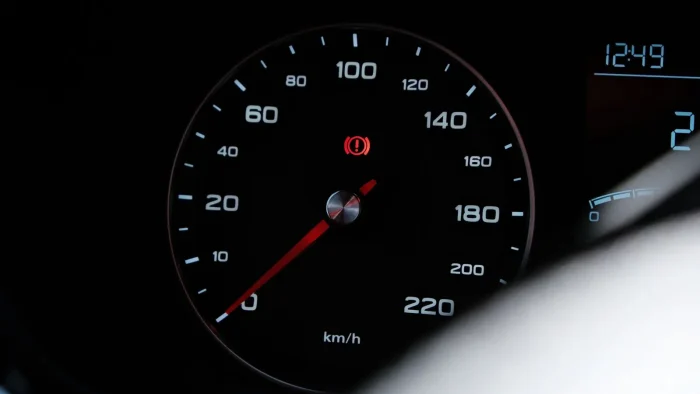
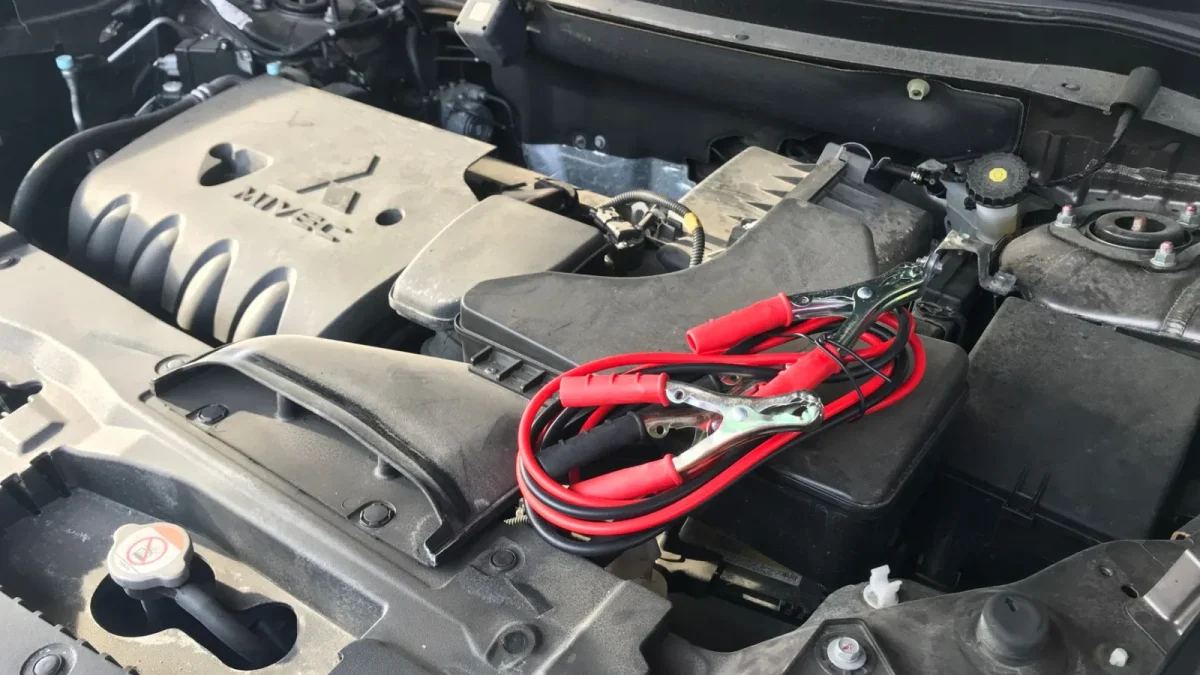
You replaced a dead battery in the driveway, felt pretty good about saving the labor, and started the car to a dashboard lit up like a pinball machine. Lane keep gone, cruise unavailable, a couple of amber symbols you cannot name. What just happened?
This is one of the most common calls I get, and drivers are always surprised that a simple battery job can rattle the safety systems. So let me answer it the way I would across the counter, question by question, in the order people actually ask them.
Key takeaways
- Losing power can clear the memory that driver-assist modules rely on, which triggers warnings.
- Many warnings go away on their own after a short drive that lets the systems relearn.
- Some vehicles need a scan tool or a dealer relearn, and there is no way around that.
- Use a memory saver during battery service on 2018 onward cars to avoid most of this.
- If lights stay after driving, it is a scan-and-relearn job, not a defect.
Why does disconnecting the battery trigger ADAS warnings at all?
Modern driver-assist features are run by small computers, called modules, and those modules store settings and learned values in memory. Steering angle center, throttle idle points, and certain calibration references all live there.
When you cut power, some of that stored data resets to zero. The module wakes up, notices its reference points are blank, and throws a warning until it relearns them. It is not damage. It is a computer asking to be reoriented.
Think of it like unplugging an old alarm clock. Nothing broke, but it comes back blinking twelve o’clock and needs you to reset it. Your car does the same thing, just with more systems involved. If the acronyms are new to you, our primer on what ADAS means on your car is a good five-minute read.
Good to know
This is not limited to battery replacement. A dead battery, a jump start, a loose terminal, or leaving the negative cable off during other work can all cause the same wake-up warnings. Any real interruption of power can do it.
Which warnings usually show up after a battery job?
The exact mix depends on the car, but a familiar pattern shows up again and again. Lane departure and lane keep assist often go dark first, since many rely on a steering angle sensor that just lost its center point.
Adaptive cruise and pre-collision may report unavailable. A stability control or traction light can flash on. You might see the steering wheel symbol, a car-with-sensor-waves icon, or plain text like “drive to relearn.”
Most of these are amber, meaning caution rather than emergency. If you are staring at symbols you cannot decode, our guide on decoding amber dashboard symbols matches shapes to meanings.

Will these lights clear themselves once I drive?
Often, yes, and this surprises people in a good way. Many systems perform what we call a self-relearn. As you drive, the modules watch the car behave and quietly rebuild the reference points they lost.
A steering angle sensor frequently re-centers after a short trip that includes a few full-lock turns in a parking lot and some straight highway driving. Idle relearns settle after a handful of stop-and-go cycles. Give it a calm ten to fifteen minute drive on marked roads before you panic.
Tip
After a battery job, drive a gentle loop: turn the wheel fully left, then fully right at low speed, take a few normal stops, then cruise a straight stretch at steady speed. That combination feeds the most common relearns without any tools at all.
What if the warnings stay on after driving?
Here is where it splits. Some cars relearn on their own, and some flat out will not. If the lights are still there after a good drive and a restart, the vehicle likely needs a scan tool to command the relearn or clear stored codes.
This is common on brands that lock certain relearns behind the diagnostic port, which includes many models from Toyota, Honda, Subaru, and the German makes. The tool tells the module to re-center and re-verify, something driving alone cannot always finish.
Before you assume the worst, work through our calm triage on what to do when an ADAS warning comes on. It separates the drive-it-off cases from the bring-it-in cases.
A battery does not break your safety systems. It just erases their short-term memory, and most of the time a thoughtful drive hands that memory right back.
Is this the same thing as a recalibration?
Good question, and the distinction matters for your wallet. A relearn re-centers values the module already knows how to find, like steering center or idle. That is usually quick and sometimes free.
A full recalibration is aiming a camera or radar sensor to precise targets, typically after glass or bumper work, not after a battery. A battery loss rarely requires the target-and-measure recalibration procedure. To keep the two straight, our overview of ADAS recalibration basics spells out when true recalibration is actually required.
Relearn versus recalibration at a glance
| Aspect | Relearn after battery | Full recalibration |
|---|---|---|
| Usual trigger | Power loss or battery swap | Windshield or bumper sensor work |
| Typical time | Minutes of driving, or a quick scan | 1 to 3 hours with targets |
| Rough cost | Free to about $150 | About $150 to $600 or more |
How do I avoid this next time I service the battery?
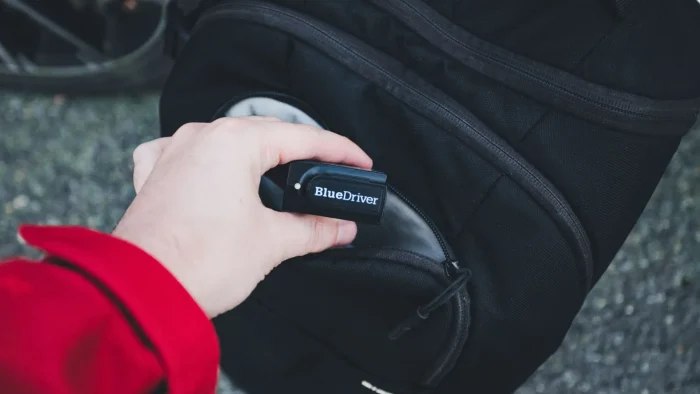
Prevention is easy and cheap. A memory saver, a small device that feeds backup power through the OBD port or a lighter socket while the battery is disconnected, keeps the modules awake and their memory intact.
They cost roughly $15 to $40 and turn a stressful restart into a non-event. On any 2018 onward vehicle loaded with driver-assist tech, I consider one standard equipment for a home mechanic.
Watch out
Do not disconnect the battery on purpose just to “reset” an unrelated warning light. On modern ADAS-equipped cars that can erase calibration data and hand you a bigger relearn than the problem you started with. Pulling power is not a shortcut.
When should I stop and hand it to a shop?
If you have driven the relearn loop, cycled the ignition, and the driver-assist lights are still on, that is your signal. A technician can scan for codes, command the relearns the car will not do itself, and confirm nothing else got disturbed.
It usually takes under an hour and turns a blinking mystery into a known result. Remember these features are not decoration. Systems like automatic emergency braking are credited by NHTSA with preventing real crashes, so getting them back online is worth the visit.
For the big picture on every light on your cluster and what each one is trying to say, keep our ADAS warning lights explained for beginners guide handy. It ties all of these battery-day surprises back into the larger map.
The short version: a battery job that lights up the dash is normal, usually temporary, and rarely a real fault. Drive it, watch it, and if it lingers, let a scan finish what the drive could not.
Questions drivers ask
Driver-assist modules store learned values like steering center and idle points in memory. Cutting power clears that memory, so the modules throw warnings until they relearn their reference points. It is a reset, not damage.
Often they do. Many systems self-relearn during a calm 10 to 15 minute drive with a few full-lock turns and some steady highway travel. If the lights remain after that and a restart, the car likely needs a scan tool to finish the relearn.
Sometimes. Many Toyota, Honda, Subaru, and German models lock certain relearns behind the diagnostic port, so driving alone will not clear them. If warnings persist after a proper relearn drive, a shop can command the relearn in under an hour.
Use a memory saver, a small device that feeds backup power through the OBD or lighter socket while the battery is off. They cost about $15 to $40 and keep module memory intact, avoiding most warnings on modern cars.
No. A relearn re-centers values the module already tracks, like steering angle, and is quick. A full recalibration aims a camera or radar to physical targets after glass or bumper work and takes 1 to 3 hours. A battery loss rarely needs that.