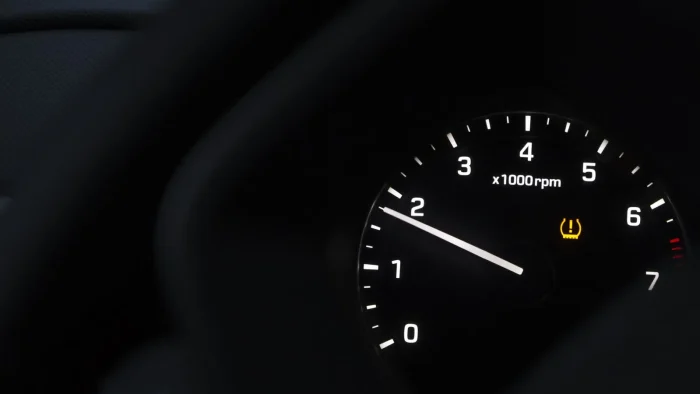
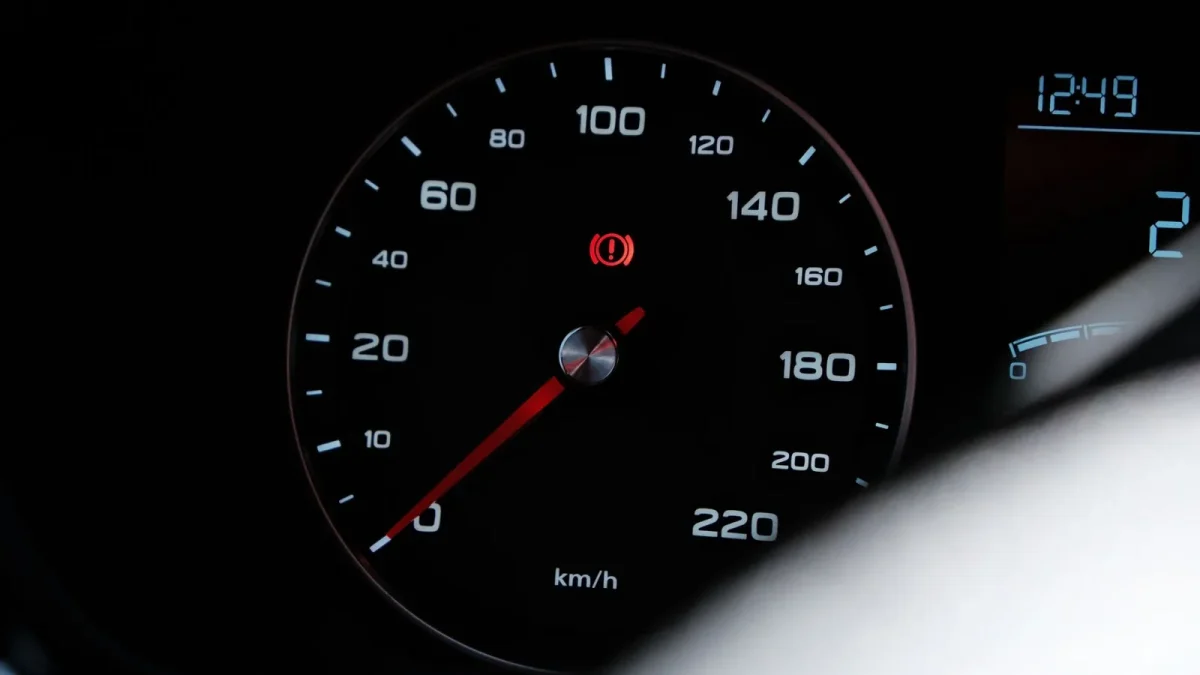
You are merging onto the highway, running late, and a little amber icon of a car with wavy lines blinks to life on the dash. There is a chime, maybe a message that reads something like Pre-Collision System Unavailable, and then nothing. No smoke, no grinding, no reason you can see. Just a light that was not there yesterday.
I have watched that exact moment play out across the service counter more times than I can count. A driver walks in convinced the car is falling apart. Nine times out of ten, it is not. It is one of the driver-assist sensors telling you it cannot do its job right now.
This is your plain-English map to those lights. What ADAS actually is, what the warnings mean, why a simple reset fixes some of them and does nothing for others, and where to go next depending on the exact problem in front of you.
Key takeaways
- ADAS stands for Advanced Driver Assistance Systems: the cameras, radar, and sensors behind features like automatic braking, lane keeping, and blind spot monitoring.
- Most amber ADAS warnings mean a sensor is temporarily blocked or a system is offline, not that a part has failed.
- A dead-simple fix (clean the sensor, restart the car) clears a lot of them. Deeper faults need a scan or a recalibration.
- Warning lights are information, not a verdict. The trick is knowing which color and which system you are looking at.
So what is ADAS, really
ADAS is the umbrella term for all the electronic helpers that watch the road for you. If your car brakes on its own when traffic stops short, nudges the wheel to keep you centered, or beeps when a car sits in your blind spot, that is ADAS at work.
These features run on a small network of sensors. A camera behind the windshield, a radar unit behind the grille, ultrasonic pucks in the bumpers, sometimes a second camera in the mirror housing. Each one feeds the car a picture of the world around it.
If you want the ground-floor version before anything else, our explainer on what ADAS means on your car names every common system and shows how they fit together. Start there if the acronym itself is new to you.
The systems you will see named on the dash
Every automaker brands these differently, which is half the confusion. Toyota calls its lane centering LTA (Lane Tracing Assist). Subaru bundles almost everything under EyeSight. Honda uses CMBS for its collision braking, and Ford badges its blind spot system BLIS.
Underneath the marketing names, the jobs are the same across brands: watch ahead, watch the lane, watch the blind spot, and step in when something goes wrong.
Reading the color of the light
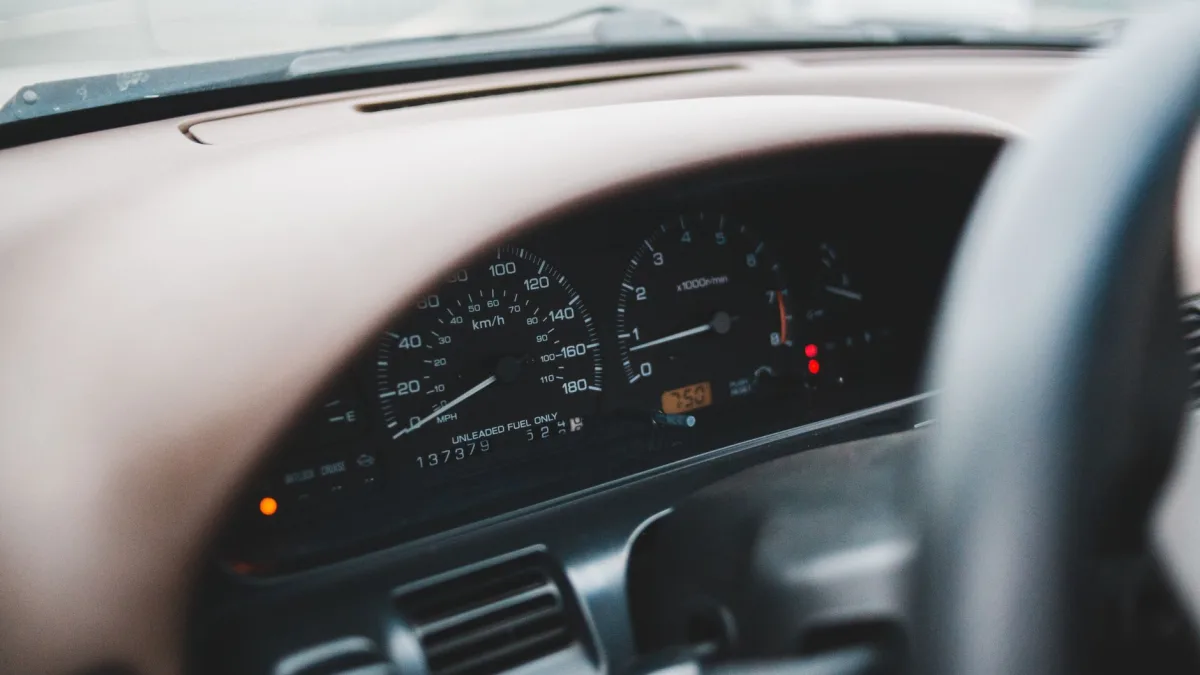
Color is your first and fastest clue. Dashboard lights follow a rough traffic-signal logic, and ADAS warnings almost always land in the amber zone.
Green or blue usually means a system is active and working. A green steering-wheel icon or a green car with lane lines is your lane assist doing its job. Nothing to worry about there.
Amber or yellow is the one that brings people in. It means a system is degraded, temporarily unavailable, or asking for attention soon. Not an emergency, but not nothing either.
Red is stop-and-deal-with-it territory, though pure-red ADAS warnings are rarer than people fear. A flashing red collision alert is the car screaming brake now, not a fault code.
Because amber is where most of the mystery lives, we built a full visual glossary. Our guide to decoding amber car symbols on the dash walks through the common car-and-sensor icons one by one and translates each generic shape into plain language.
Good to know
A steady amber ADAS light and a flashing one mean very different things. Steady usually means a system is offline. Flashing, especially with a loud chime, usually means the system is actively warning you about something right now. When in doubt, treat a flash as urgent.
First move when a warning appears
Before you assume the worst, there is a short routine that clears a surprising number of these. It costs nothing and takes a couple of minutes.
- Note the exact wording and which system it names. Snap a photo of the cluster if you can.
- Check whether the weather explains it. Fog, heavy rain, and low sun blind cameras on purpose.
- Clean the obvious spots: the windshield in front of the camera, the grille over the radar, the bumper corners.
- Restart the car. Turn it fully off, wait, and start again to let the system re-check itself.
- Drive a short distance. Some warnings only clear after the sensors confirm the road looks normal.
If the light stays on after all that, it is time to slow down and think about what actually happened right before it appeared. For a calm, step-by-step walkthrough, our guide on what to do when an ADAS warning comes on takes it from the first chime to the shop.
Why resets fix some lights and not others
This is the part that trips up most drivers, so let me be clear about it. A reset and a recalibration are not the same thing, and confusing them wastes money.
A reset clears the car’s memory of a fault and lets the systems boot fresh. Sometimes that is literally just restarting the ignition. Sometimes it means clearing a stored code with a scan tool. The difference between the gentle version and the aggressive version is covered in our piece on soft reset versus hard reset for ADAS.
A recalibration is different. It physically re-aims a sensor so it points exactly where the engineers intended. You cannot do that by restarting the car.
What a reset can actually accomplish
Resets are great for clearing a temporary glitch: a warning that latched on after a rough startup, a code left over from a dead battery, a system that got confused and never re-checked itself. Our breakdown of what an ADAS reset can and cannot fix is the honest list, because a reset will not save you when the real problem is physical.
Speaking of dead batteries, that is a classic trigger. Disconnect or drain the battery and half the driver-assist lights on the car can wake up angry. If yours followed a jump-start or a new battery, read battery disconnect and ADAS warning lights before you spend a dime.
Tip
After any battery service, drive the car through a normal mix of roads for 15 to 20 minutes before deciding a light is a real fault. Many systems relearn quietly on their own once they see steady lane lines and clean sensor data.
When recalibration is the real answer
Recalibration is the step people skip and then pay for later. Anytime a sensor gets physically disturbed, its aim can shift, and a mis-aimed camera or radar either quits or, worse, judges distance wrong.
The usual triggers are a windshield replacement (the forward camera lives on the glass), any front-end body work, a suspension or alignment change, or a bumper repaint over the radar. Our primer on ADAS recalibration basics for beginners explains the difference between the two calibration types shops use and why the bay setup matters.
A camera that is aimed two degrees off looks perfect from the driver’s seat and still brakes for a shadow at highway speed. That is why we aim them on a target, not by eye.
If you just had glass or bumper work done and the lights came on right after, that timing is your answer. The system is not broken. It is asking to be re-aimed.
Money, myths, and not getting fleeced
Here is where I get protective of drivers. There is a lot of bad advice floating around about these systems, and some of it costs real money.
We collected the worst offenders in common ADAS myths that waste money, from the idea that any warning means a failed sensor to the belief that you always need the dealer. Read it before you approve a big estimate.
On the pricing side, expect a wide range. A basic scan and reset might run $75 to $150. A single-sensor recalibration commonly lands between $150 and $400, and a windshield-camera recalibration paired with new glass can push well past that. Our ADAS repair cost overview for drivers lays out what the line items should look like so nothing surprises you.
Watch out
Some shops quietly skip the recalibration after front-end work to keep an estimate low, then the ADAS lights come on days later. Always ask, in writing, whether ADAS calibration is included before you sign off on bumper or windshield work.
Special situations worth knowing
A few scenarios come up so often they earn their own guides. Winter is the big one. Packed snow over a radar or camera will disable these features in minutes, and drivers who do not expect it get caught off guard. Our ADAS in winter and snow explainer covers what to clear and what to simply accept as a cold-weather limit.
Buying used is another. A used car with a spotty ADAS history can hide expensive surprises, so run through our buying a used car with ADAS checklist before you hand over money. It only takes ten minutes at the curb.
And plenty of drivers just want the features gone. You often can turn them off, at least temporarily, and our guide on whether you can turn off an ADAS system explains what stays disabled and what quietly switches itself back on at the next start.
Inspections and tools
Two quick pointers before you go. If you are staring down a state safety inspection, you are probably wondering whether that amber light is a problem. The short version lives in do ADAS warnings fail inspection, and the answer depends heavily on your state.
And if you like to diagnose things yourself, not every code reader talks to these systems. Our rundown of scan tools for ADAS beginners separates the cheap generic readers from the ones that actually see driver-assist modules.
Treat the light as information, not doom
The single biggest mindset shift I try to give drivers is this: an ADAS warning is the car being honest. When a sensor cannot see clearly, it tells you and steps back rather than guessing. That honesty is the entire safety case.
Note the color, note the system, run the two-minute cleanup, and only then decide whether you need a scan or a calibration. Most of the time, you will fix it in the driveway.
For a neutral outside look at how these features are tested and why they matter, the IIHS overview of advanced driver assistance is a solid read, and for plain-language descriptions of each feature, MyCarDoesWhat is genuinely useful. Learn what your specific systems do, keep the sensors clean, and these lights stop feeling like a mystery and start feeling like a dashboard that talks to you.
Questions drivers ask
The car itself is usually safe to drive, but the affected feature may not work. Treat the warning as a sign that automatic braking, lane keeping, or blind spot monitoring is offline, and drive as if you have no assist until you sort out the cause.
Sometimes. If a blocked sensor or bad weather caused it, cleaning the area and driving a short distance often clears it. A latched fault or a mis-aimed sensor will not clear until it is reset or recalibrated.
A reset clears the car's memory of a fault and lets the systems boot fresh. A recalibration physically re-aims a sensor so it points where the engineers intended. Restarting the car never recalibrates a sensor.
Disconnecting or draining the battery can leave stored codes and put driver-assist systems into a relearn state. Many clear after a normal 15 to 20 minute drive, but some need a scan tool to reset them fully.
Not always. Many independent shops now have the targets and scan tools to recalibrate ADAS sensors. For simple resets you may fix it yourself, but physical calibrations need proper equipment either way.