Nothing makes a driver’s stomach drop like an amber sensor light and no idea what it will cost to fix. I have watched people brace for a $2,000 hit when the real answer was a $0 reset, and I have watched others wave off a warning that turned into a genuine repair. The gap between panic and reality is usually just information.
So here is a straight, no-upsell breakdown of what ADAS work actually costs, from the free end to the four-figure end.
Prices vary by region, brand, and shop, but these ranges hold up well across the country in my experience.
Key takeaways
- Many ADAS lights clear with a free or low-cost reset, not a repair at all.
- A recalibration typically runs $150 to $400, sometimes more on luxury brands.
- Replacing a radar or camera sensor plus calibration often lands in the $600 to $1,600 range.
- Windshield replacement on an ADAS-equipped car costs more because the camera behind it needs recalibration.
- Diagnosis first is the cheapest money you can spend, because it tells you which tier you are actually in.
Tier 1: The free-to-cheap reset ($0 to $100)
A surprising share of ADAS warnings are not repairs at all. A dead battery, a jump start, a dirty sensor, or a temporary weather blockout can all light the dash, and the fix is a reset or a cleaning.
If the fault has already cleared itself, you pay nothing. If you need a shop to scan and clear a stored code, expect a modest diagnostic fee, often $50 to $100, sometimes waived if repair follows.
Tip
Before you book anything, learn the difference between a simple reset and a full recalibration. Our guide to a soft reset versus hard reset for ADAS can keep you out of the shop entirely for the nuisance cases.
Tier 2: Recalibration ($150 to $400+)
This is the big one people underestimate. After a windshield swap, a bumper repair, an alignment, or certain suspension work, your camera and radar need to be recalibrated so they aim exactly where the factory intended.
A static calibration uses target boards in a controlled bay. A dynamic calibration requires a technician to drive the car at set speeds while the system relearns. Some vehicles need both.
| Calibration type | Typical cost | When it is needed |
|---|---|---|
| Dynamic only | $150 to $300 | After alignment or minor front-end work |
| Static only | $200 to $400 | After windshield replacement, camera R&R |
| Static plus dynamic | $300 to $600 | Many newer vehicles requiring both |
Luxury and newer models push the top of these ranges. A calibration on a well-equipped German or high-trim SUV can exceed $500 on its own, before any parts.
Watch out
Some quick-lube and glass shops skip calibration to keep their price low, then hand you a car with a misaimed sensor. That is how you end up with phantom braking a week later. Always confirm calibration is included, not an afterthought.
Tier 3: Sensor replacement plus calibration ($600 to $1,600)
When a radar or camera is genuinely damaged, from a collision, corrosion, or a failed unit, you pay for the part and the labor to fit it, then the calibration on top.
A front radar module can run $300 to $900 for the part alone depending on brand. A forward-facing camera is often $200 to $700. Add labor and the mandatory calibration and a typical job lands in that $600 to $1,600 window.
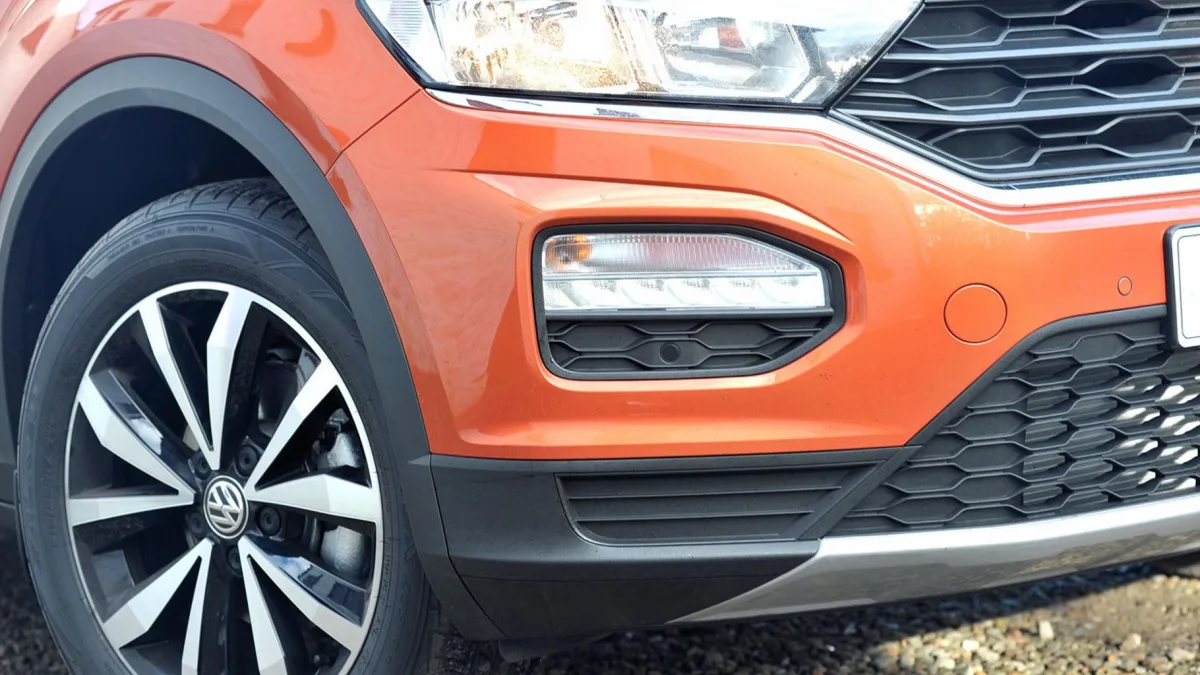
This is where Subaru EyeSight, Toyota Safety Sense, Honda Sensing, and Ford Co-Pilot360 parts pricing starts to diverge. Brand, model year, and whether you use OEM or aftermarket parts all move the number.
The windshield surprise
Here is a cost that catches people off guard. On an ADAS-equipped car, replacing a cracked windshield is not just glass. The forward camera mounted behind that glass has to be recalibrated afterward.
A windshield that would cost $300 on an older car can run $800 to $1,400 on a 2018 onward vehicle with a lane-keeping camera, once you add the calibration. Many drivers only learn this when the invoice arrives.
The glass is the cheap part. The camera behind it, and the calibration that camera demands, is where the real cost lives.
What drives the price up or down
Three factors move an ADAS bill more than anything else.
- Brand and trim: luxury and newer systems cost more in both parts and calibration.
- OEM versus aftermarket parts: genuine parts cost more but calibrate more predictably.
- Dealer versus independent: a well-equipped independent shop is often 20 to 40 percent cheaper than the dealer for the same calibration.
- Number of sensors involved: a multi-camera surround system costs more than a single forward camera.
The single best cost-control move is getting a proper diagnosis first. Paying a small scan fee to learn you need a $0 reset instead of a $1,200 repair is the best money in this whole article. If you want to do that reading yourself, our overview of scan tools for ADAS beginners shows what a home reader can tell you.
How to avoid overpaying
You have more room to push back here than you think. Shops know most drivers do not understand ADAS pricing, so knowing the ranges above already protects you.
Ask whether the light is a nuisance code or a real fault before authorizing anything. Ask whether calibration is included in a glass or bumper quote. And get a second opinion on any four-figure estimate, because calibration pricing between shops varies a lot.
It also helps to know what a reset genuinely fixes versus what it only masks. Spending on a repair the car did not need is as wasteful as skipping one it did. Our piece on what an ADAS reset can and cannot fix draws that line clearly, and our roundup of common ADAS myths that waste money covers the pitches to ignore.
Budgeting before the shop
If you take one number away, make it this: most ADAS lights resolve for under $400, and only genuine sensor damage pushes you into four figures. Walking in with that expectation keeps a shop honest and keeps you calm.
Start by understanding the warning itself. The beginner guide to ADAS warning lights helps you read the symbol before you ever quote it, and for an independent take on repair costs and reliability, Consumer Reports car safety is a trustworthy outside voice.
Know the tiers, get the diagnosis, confirm calibration is included, and you will pay for the repair your car actually needs and not a dollar more.
Questions drivers ask
Most recalibrations run $150 to $400. A dynamic-only calibration sits near the low end, a static calibration in the middle, and a job needing both static and dynamic can reach $500 to $600. Luxury and newer vehicles push the top of these ranges.
The forward camera behind the glass must be recalibrated after the swap. A windshield that costs $300 on an older car can run $800 to $1,400 on a 2018 onward vehicle with a lane-keeping camera once the calibration is added.
Sometimes yes. A dead battery, jump start, dirty sensor, or temporary weather blockout can light the dash, and the fix is a reset or a cleaning. If the fault has cleared itself you pay nothing, and a simple scan-and-clear is often under $100.
Genuine sensor replacement plus the required calibration typically lands between $600 and $1,600. A front radar module alone runs $300 to $900 depending on brand, and a forward camera $200 to $700, before labor and calibration.
Get a proper diagnosis first so you know if you need a reset or a repair. Confirm calibration is included in any glass or bumper quote, compare an independent shop against the dealer, and get a second opinion on any four-figure estimate.