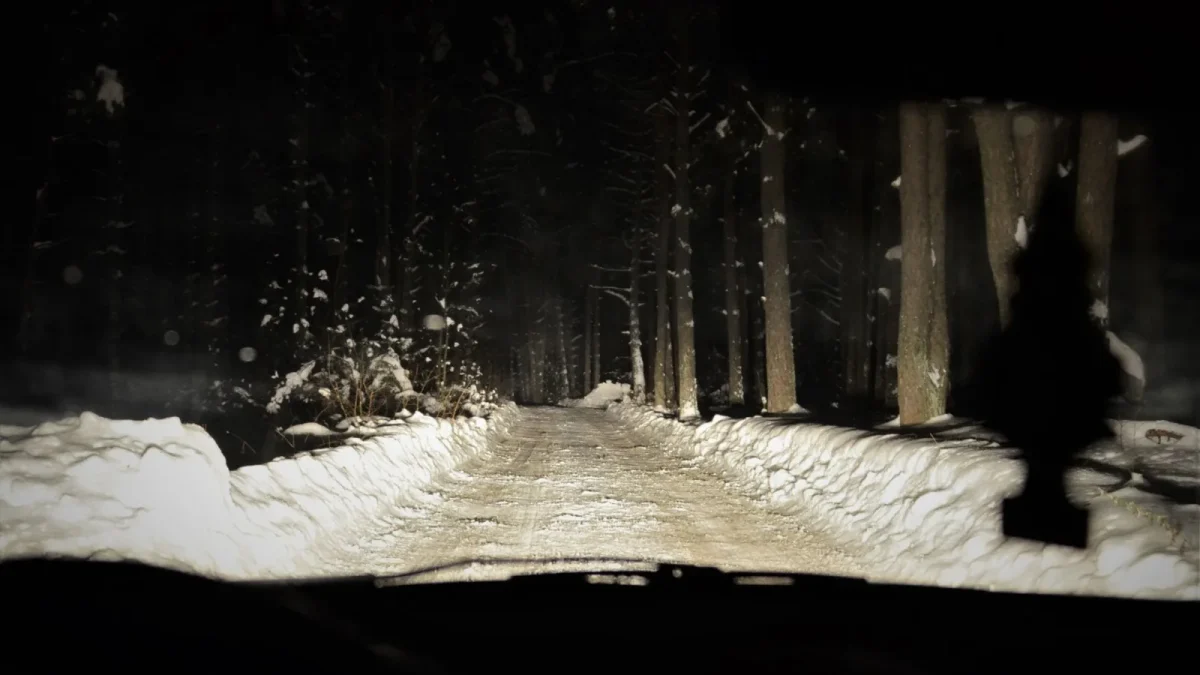
The first hard snow of the season fills my bay with the same phone calls every year. A dashboard lit up with yellow driver-assist messages, an owner convinced their car just broke, and a system that is actually working exactly as designed. Winter is brutal on the cameras, radar, and sensors that make modern safety tech tick, and most of the warnings you see in January are the car protecting you, not failing you.
Once you understand what cold, snow, ice, and road salt do to these sensors, those messages stop being scary and start being useful.
Key takeaways
- Most winter ADAS warnings mean a sensor is blocked or blinded, not broken.
- Snow, ice, salt spray, and road grime cover cameras and radar and shut features down for safety.
- Clearing the right spots on your car usually restores the system in minutes.
- On slick roads, features like adaptive cruise and lane keeping behave differently, and knowing that keeps you safe.
Why winter trips ADAS warnings so easily
Driver-assist systems see the world through a small number of sensors, and every one of them has a winter weakness. The forward camera behind your windshield needs a clear view. The radar in the grille needs an unobstructed path. The corner and blind-spot sensors need clean faces.
Pack any of those with snow or coat them in salt film and the car does the responsible thing: it shuts the affected feature down and tells you. That yellow message is a design choice, not a defect.
A blinded sensor that guesses is far more dangerous than a sensor that admits it cannot see. Winter warnings are your car choosing honesty.
This is why you might see lane-departure or pre-collision messages on a Toyota, a “EyeSight disabled” note on a Subaru, or a blind-spot fault on a Ford after ten minutes on a slushy highway. The system is not damaged. It is snowed in.
The usual winter culprits, sensor by sensor
The forward camera
Your windshield camera sits behind the glass near the mirror, so it stays dry, but it still gets blinded. Low winter sun glaring off snow, a windshield fogged from the inside, or ice the wipers cannot fully clear will all cause it to drop out. Systems like Subaru EyeSight and Honda CMBS lean heavily on this camera, so they are quick to complain.
The grille radar
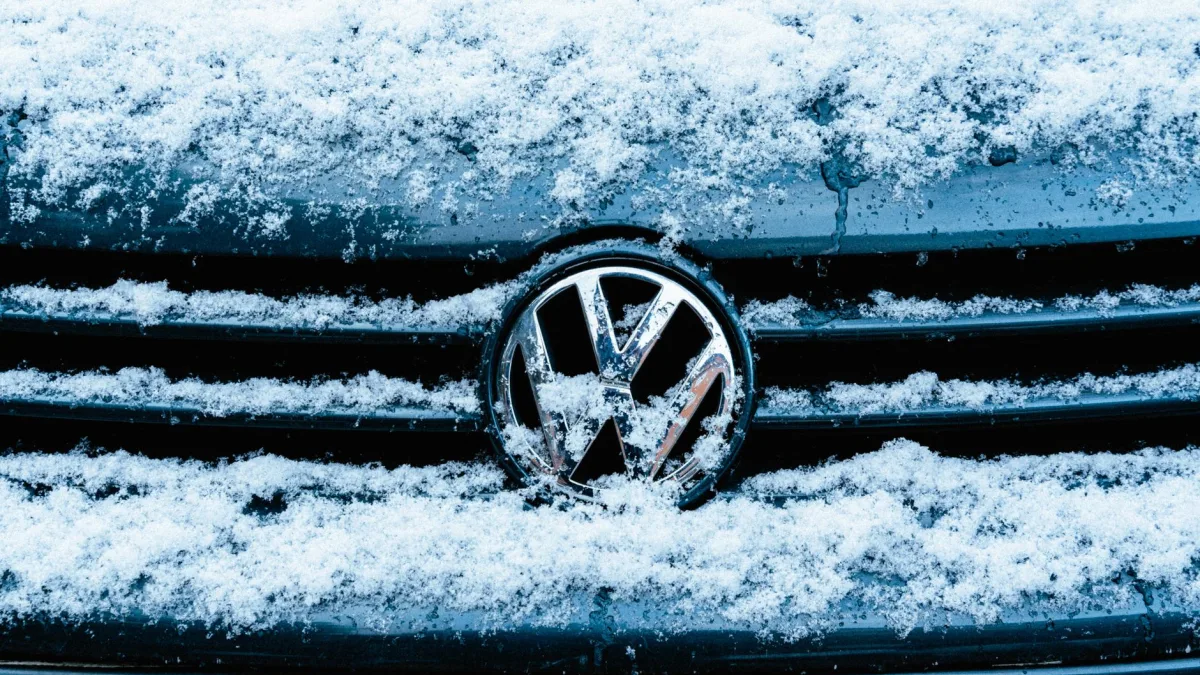
The radar unit that runs adaptive cruise and forward-collision braking usually hides behind the emblem or lower grille. Slush thrown up by traffic freezes there in a solid plug. When that happens you will often get a radar blocked or “front assist unavailable” message on VW and Audi products, or a cruise fault on most others.
The corner and side sensors
Blind-spot and cross-traffic sensors live in the rear bumper corners and mirrors. Road salt cakes them, and a frozen slush wall over the bumper is enough to knock out Ford BLIS or a Chevy blind-zone alert until you clean it off.
Watch out
Do not pour hot water on a frozen camera or radar to clear it fast. The thermal shock can crack glass or a sensor cover. Use a plastic scraper, your defroster, and a little patience instead.
Clearing the sensors the right way
Ninety percent of winter ADAS warnings clear once you clean the right surfaces. The trick is knowing where they are so you are not scraping random parts of the car.
- Windshield: clear the full camera area behind the mirror, inside and out.
- Grille and emblem: dig out packed snow and knock off frozen slush plugs.
- Front bumper corners: clear parking and radar sensor faces.
- Rear bumper and mirrors: wipe salt film off blind-spot sensors.
- Headlight washers, if equipped: make sure they are not iced shut.
Tip
Run your defroster for a few minutes before you drive. Warm glass keeps the forward camera clear far longer than a cold windshield, and it cuts down on those mid-drive dropouts. A quick wipe of the sensors during fuel stops keeps salt film from building up.
If a warning stays on after everything is clean and dry, that is when it moves from a weather nuisance to something worth investigating. Our guide on what to do when an ADAS warning comes on walks through the difference between a blocked sensor and a real fault.
How ADAS behaves on snow and ice
Even with clean sensors, winter changes how these features act, and the surprises catch drivers off guard. Adaptive cruise still reads the car ahead fine, but it cannot feel the road grip. It will brake and accelerate as if the pavement is dry, which on ice can be unsettling.
I tell people to switch off adaptive cruise on snow-covered roads and drive it themselves. The system is not built to judge traction, and it does not know the difference between dry asphalt and a sheet of black ice.
Good to know
Lane-keeping assist relies on seeing painted lines. When snow covers the road, the lines vanish and the feature simply stops helping. That is normal. It is not a malfunction, and the system will wake back up once the lines reappear.
Traction and stability control are separate from ADAS and stay fully active. If you want the clearer picture on where driver-assist ends and traditional safety systems begin, our explainer on what ADAS actually means on your car sorts out which systems do what.
When winter warnings signal a real problem
Not every cold-weather message is innocent. Salt and moisture are hard on wiring and connectors, and a sensor that was already marginal can finally fail in the cold. Here is how I tell the difference.
| What you see | Likely cause | Your move |
|---|---|---|
| Warning clears after cleaning sensors | Snow or salt block | Normal, keep sensors clear |
| Warning returns on clean, dry sensors | Possible fault or misalignment | Scan for codes |
| Warning after a winter fender bump | Knocked-out calibration | Book a recalibration |
A low-speed slide into a curb or a parking-lot tap in the snow is enough to shift a radar or camera out of alignment. If that happens, the fix is usually a recalibration, and our recalibration basics guide explains what that involves. Persistent codes on clean sensors are worth a scan, and the MyCarDoesWhat safety education site is a solid plain-language reference on how each feature is meant to behave.
Getting through the season
Winter and ADAS can coexist just fine once you know the rules. Keep the sensors clear, expect a few weather-related dropouts, back off adaptive cruise on slick roads, and treat any warning that survives a good cleaning as a signal to dig deeper.
If the acronyms and icons still feel like a foreign language, start with our beginner-friendly guide to ADAS warning lights. A driver who reads the lights correctly spends the winter confident instead of nervous every time a yellow symbol blinks on.
Questions drivers ask
Snow, slush, and salt film block the cameras and radar that driver-assist features depend on. When a sensor cannot see clearly, the car shuts that feature down for safety and shows a warning. Clearing the sensors usually restores it within minutes.
No. Adaptive cruise reads the car ahead but cannot sense road grip, so it will brake and accelerate as if the pavement is dry. On snow or ice, turn it off and control speed yourself so you can react to traction changes.
Yes. Lane-keeping assist needs to see painted lines, and when snow covers the road those lines disappear. The feature simply stops helping and wakes back up once the lines are visible again. It is not a malfunction.
Clear the windshield camera area behind the mirror, dig packed snow out of the grille and emblem, and wipe salt film off the bumper and mirror sensors. Use a plastic scraper and your defroster. Never pour hot water on a frozen camera or radar.
If the warning returns after the sensors are clean and dry, or appears after a winter fender bump or curb slide, it may be a fault or knocked-out calibration. In that case, scan for codes and consider a recalibration.