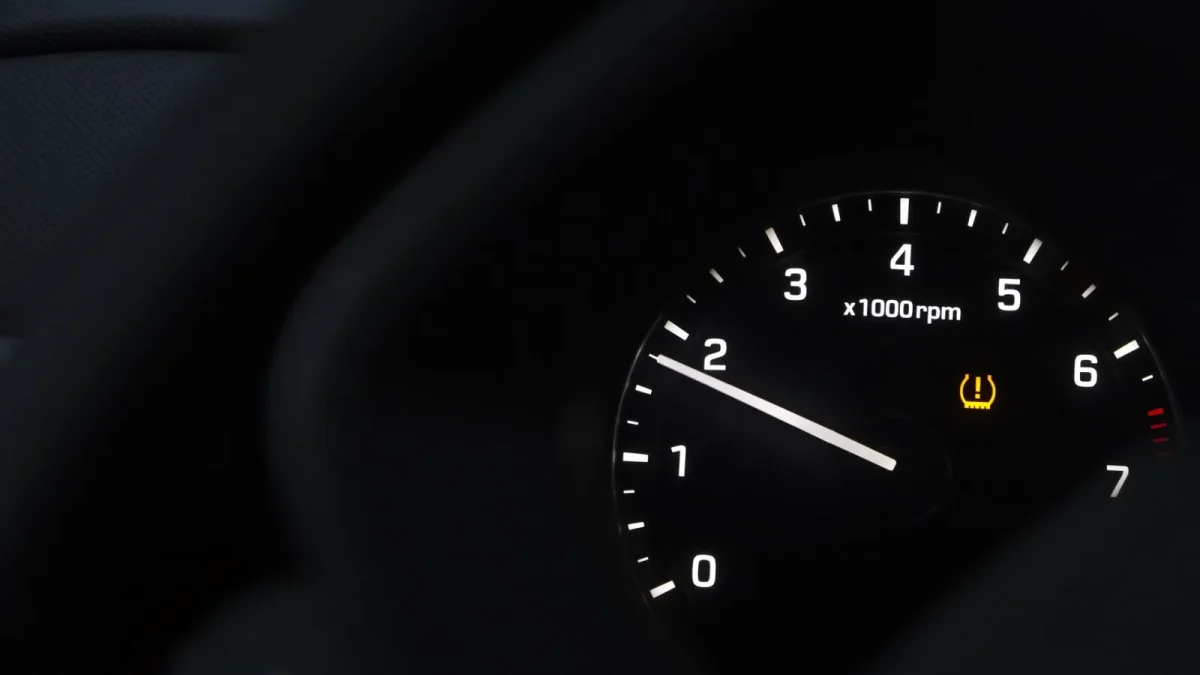
You dropped your car off for something routine. New tires, an alignment, a battery, maybe a windshield. You pick it up, pull out of the lot, and there it is: an amber symbol glowing on the dash that was not there this morning. A little steering wheel, a car with squiggly lines, or the word “unavailable” next to your lane keeping icon.
Nine times out of ten this is not a coincidence and it is not a defect. The service you just paid for is exactly why the light is on. Let me explain what triggered it, why it happens, and whether you need to turn around and go back.
Key takeaways
- Common shop jobs like alignments, windshield swaps, battery changes, and tire work routinely wake up ADAS warning lights.
- Some lights clear on their own after a short drive; others need a formal recalibration the shop should have performed.
- Amber usually means a feature is temporarily unavailable, not that your car is unsafe to drive to the shop.
Why service work upsets driver-assist systems
Your car’s cameras and radar are aimed with surprising precision. The forward camera behind the windshield, the radar behind the front emblem, the steering angle sensor in the column, all of them expect the car to be built and positioned exactly as it left the factory.
Change the geometry even slightly and the car notices. It would rather flash a warning and shut a feature off than let a misaligned system make a braking or steering decision on your behalf.
That caution is a feature, not a bug. Here are the specific service events that trip these systems, and why each one matters.
The four usual suspects
1. Wheel alignment and suspension work
This is the one that surprises people most. When a tech sets your alignment, they change the thrust angle, which is the direction the rear axle actually points the car. Your forward camera references the vehicle’s true centerline. Move the alignment and the camera’s idea of “straight ahead” no longer matches reality.
Many vehicles from 2018 onward require a camera recalibration after any alignment. Toyota, Subaru with EyeSight, and Honda all list this in their procedures. If the shop did an alignment and did not recalibrate, the lane keeping light may glow until it is done.
Good to know
An alignment rack tech and an ADAS calibration tech are often two different people with two different sets of equipment. A tire shop that nails your alignment may not have the target boards to finish the camera calibration. Ask before you book.
2. Windshield replacement
If your forward camera lives at the top of the glass, and on most modern cars it does, replacing the windshield physically removes and remounts that camera. Even a millimeter of difference in the mounting throws off its aim.
This job almost always needs a recalibration. Our detailed look at ADAS recalibration basics walks through the static versus dynamic process. If your glass installer handed you the keys with a lane departure warning lit up, the calibration step got skipped.
3. Battery replacement or disconnect
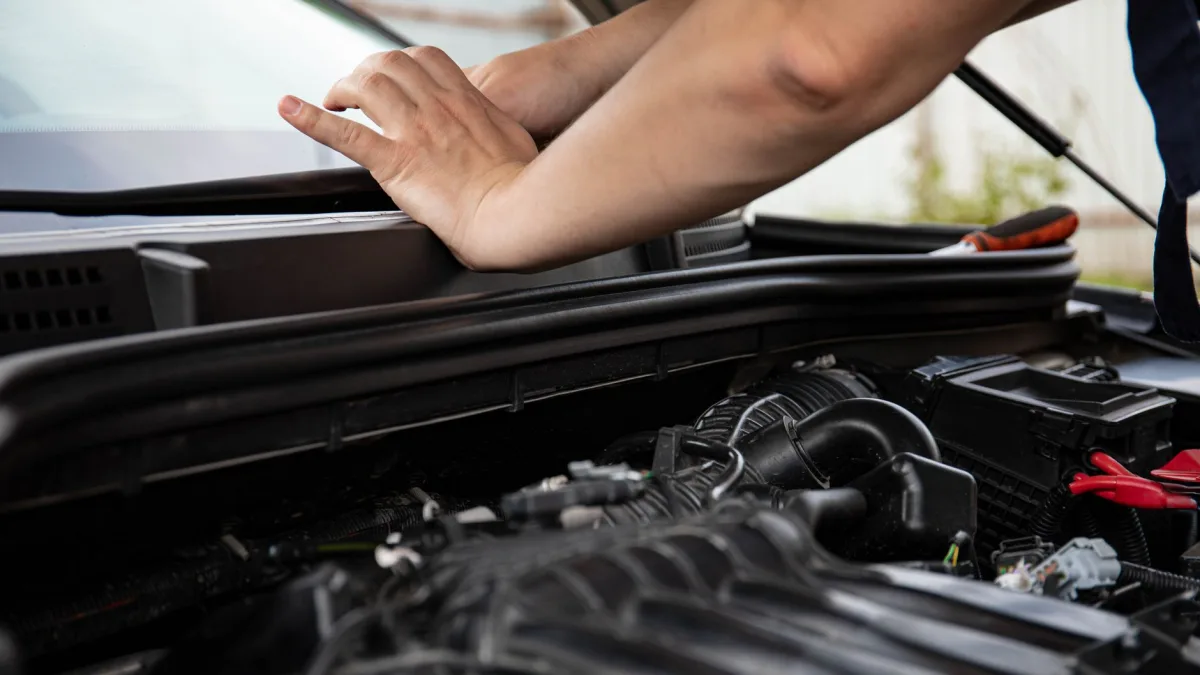
Pull the battery and many modules lose their stored settings and adaptive values. When power comes back, systems reboot and some flag themselves until they relearn or get reset. This is one of the most misunderstood triggers.
We wrote a whole piece on battery disconnect and ADAS warning lights because it catches so many people off guard. Often a short drive or a simple reset clears it, but sometimes a scan tool is needed to confirm the modules are happy.
4. Tire changes and different tire sizes
Your systems calculate speed and distance partly from wheel rotation. Fit tires with a noticeably different diameter, or even mismatched tread depth front to rear, and radar-based features like adaptive cruise can get confused enough to flag a fault.
A brand-new set of tires a half inch taller than stock can be enough to make adaptive cruise throw in the towel until the system relearns.
Which lights clear themselves and which do not
This is the question every driver actually wants answered. The honest version is that it depends on your car and the specific job.
| Trigger | Often self-clears? | Usually needs a shop? |
|---|---|---|
| Battery disconnect | Yes, after a drive cycle | Sometimes, if a hard reset is required |
| Tire change | Yes, after relearn | Rarely |
| Alignment | No | Yes, camera recalibration |
| Windshield swap | No | Yes, camera recalibration |
A dynamic calibration finishes as you drive a set route at a steady speed on marked roads. A static one has to be done in the shop with target boards. If your light came from an alignment or glass job, do not expect it to fade on its own.
Watch out
A light that will not clear after a battery swap or tire change might be pointing at a real fault the service just happened to expose. If a short drive and a reset do not fix it, get it scanned rather than ignoring it.
What to do when you see the light
Do not panic and do not assume the shop wrecked something. Work through it in order.
- Note exactly which feature the light references: lane keeping, collision braking, blind spot, or cruise.
- Recall what service was just performed and match it to the triggers above.
- Drive a few miles on a clear, marked road to allow any self-relearn to complete.
- If it references alignment or glass work, call the shop and ask whether recalibration was done.
- If the light persists with no clear cause, get the system scanned for stored codes.
Knowing the difference between a simple relearn and a full recalibration saves you a wasted trip. Our comparison of a soft reset versus a hard reset for ADAS helps you understand what your car may be doing on its own before you call anyone.
A real example from my bay
A woman brought in a 2019 crossover convinced her new alignment was botched because the lane assist light stayed on. The alignment was perfect. The tire shop simply did not own a calibration target, so the camera never got told about its new reference angle.
Fifteen minutes on the target board and a short dynamic drive later, the light was gone and the system tracked lanes dead center. Nothing was broken. A step was just missing.
Tip
Before any alignment or windshield job, ask the shop straight out: “Does this car need an ADAS recalibration afterward, and can you do it here?” That one question prevents most after-service warning lights before they ever appear.
When it is worth going back
If the light traces to an alignment or windshield replacement, the shop should stand behind the recalibration as part of that job. Go back. If it followed a battery or tire change and will not clear after a proper drive and reset, it is worth a scan to be safe.
For the full context on how these systems work and what every symbol means, start with our beginner’s guide to ADAS warning lights. You can also cross-check the meaning of any amber dashboard icon with the plain-language reference at My Car Does What.
An amber light after service is rarely bad news. It is your car being honest that a step was left unfinished. Match the light to the job, give simple triggers a chance to clear, and hold the shop to the calibration when the work called for one.
Questions drivers ask
An alignment changes the angle your car's forward camera references as straight ahead. Many vehicles from 2018 onward require a camera recalibration after alignment work. If the shop did not perform it, the lane keeping light will stay on until it is done.
Sometimes. Lights from a battery disconnect or a tire change often clear after a short drive cycle. Lights from an alignment or windshield replacement usually need a formal recalibration and will not self-clear.
An amber ADAS light typically means a feature is temporarily unavailable, not that the car is unsafe. You can usually drive it to the shop for recalibration, but you will be relying on your own attention rather than the assist feature.
Yes. Disconnecting the battery can wipe stored settings in various modules, causing them to flag themselves on restart. A short drive or a reset often clears it, though some cases need a scan tool to confirm the modules relearned properly.
Tires with a different diameter or mismatched tread can confuse speed and distance calculations enough to flag a fault. Drive a few miles to let the system relearn. If it persists, have the system scanned since the tires may have exposed a separate issue.