A customer once dropped off a 2020 Honda CR-V for a windshield swap and got a call the next day: the calibration would take an extra hour and a road test. He was baffled. His neighbor’s Toyota had been calibrated in the shop bay in twenty minutes, no driving involved. Same repair, two completely different procedures.
Both shops were right. His Honda needed a drive-based calibration, and the Toyota needed a target-board calibration in the bay. Neither one was cutting corners.
The confusion between these two methods trips up drivers and even some newer techs, so here is the plain-English version of what separates them and why your car may need one, the other, or both.
Key takeaways
- Static calibration happens in the shop with the car parked in front of printed target boards, no driving required.
- Dynamic calibration happens on the road, where the car teaches its own camera by watching lane lines and traffic at speed.
- The method is dictated by the automaker, not the shop, and some vehicles require both procedures back to back.
- A calibration that is skipped or done wrong can leave lane keep, automatic braking, and adaptive cruise misjudging distance, which is a genuine safety issue.
What calibration actually means
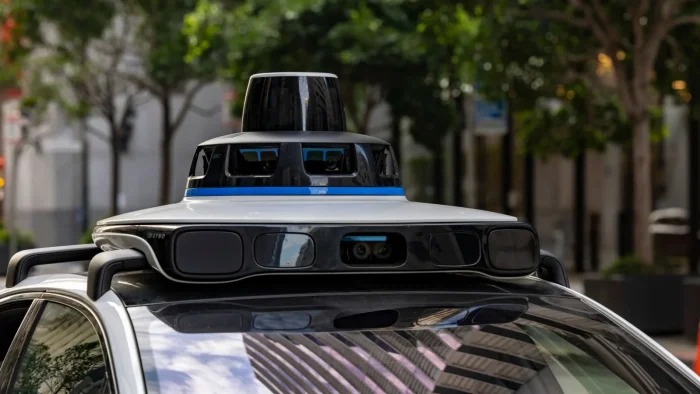
Your car’s forward camera and radar have to know exactly where they are pointing. A camera that thinks straight ahead is two degrees to the left will place a lane line, a pedestrian, or the car in front of you in the wrong spot. At highway speed, two degrees translates into several feet of error a hundred yards down the road.
Calibration is the process of teaching the sensor its true aim after something has disturbed it. That “something” is usually a windshield replacement, a bumper repair, an alignment, or the sensor being unbolted. If you want the full trigger list, our guide on when ADAS calibration is required lays out every scenario.
There are two ways to get the sensor re-aimed, and the difference comes down to where the work happens.
Static calibration: the shop-floor method
Static calibration is done with the vehicle sitting perfectly still. The technician parks the car on a level floor, sets up printed target boards or a calibration frame at precise, manufacturer-specified distances and heights, and runs the procedure through a scan tool.
The camera stares at those targets, the software compares what it sees against what it should see, and the aim is corrected. Think of it like an eye exam where the chart has to be an exact distance from the chair.
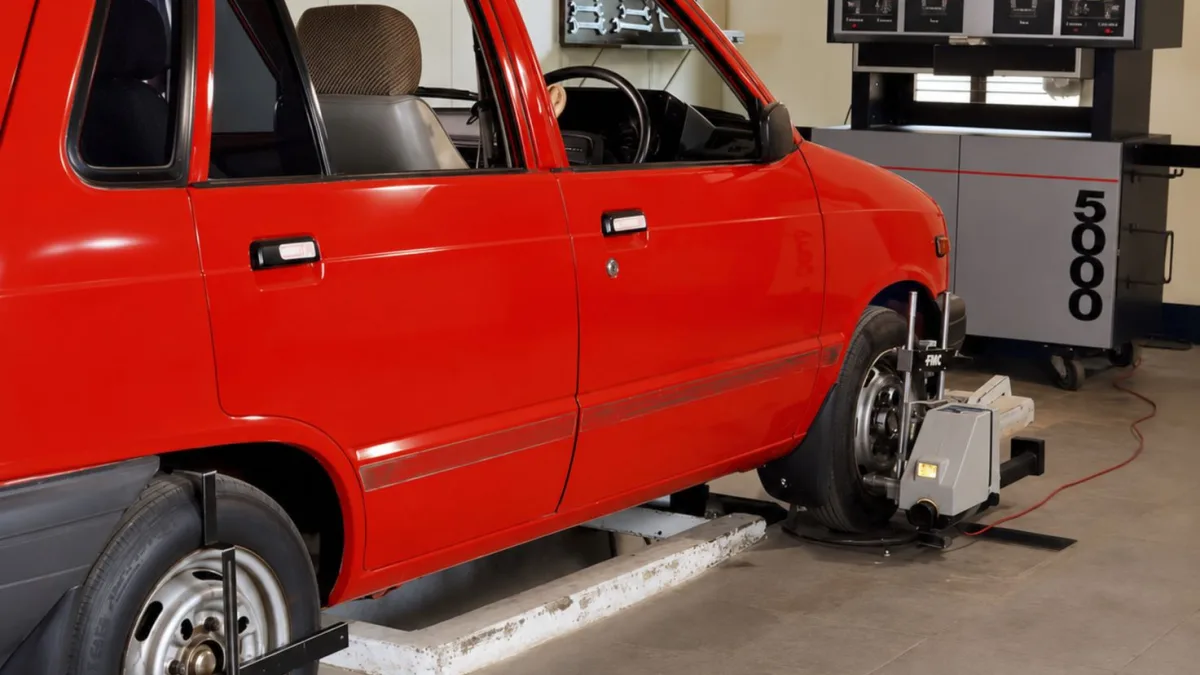
The catch is space and precision. A proper static setup needs a flat floor, controlled lighting, and often ten to fifteen feet of clearance in front of the car. That is why some independent shops send this work out. Brands that lean heavily on static calibration include many Honda, Acura, Nissan, and Volkswagen models.
Good to know
Static calibration does not mean the car never moves. It means the sensor learning happens while parked. Some procedures still ask you to drive a short distance afterward to confirm no fault codes remain.
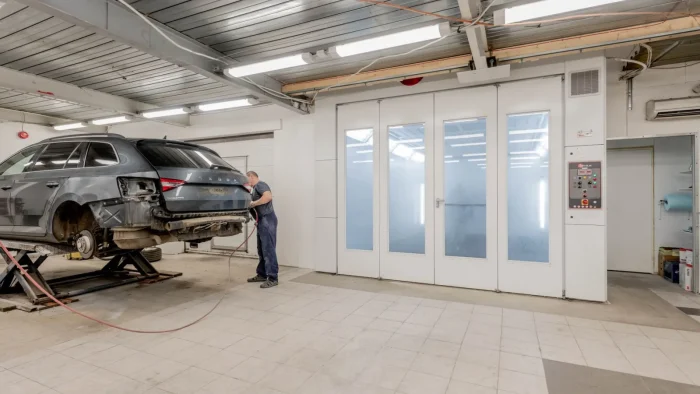
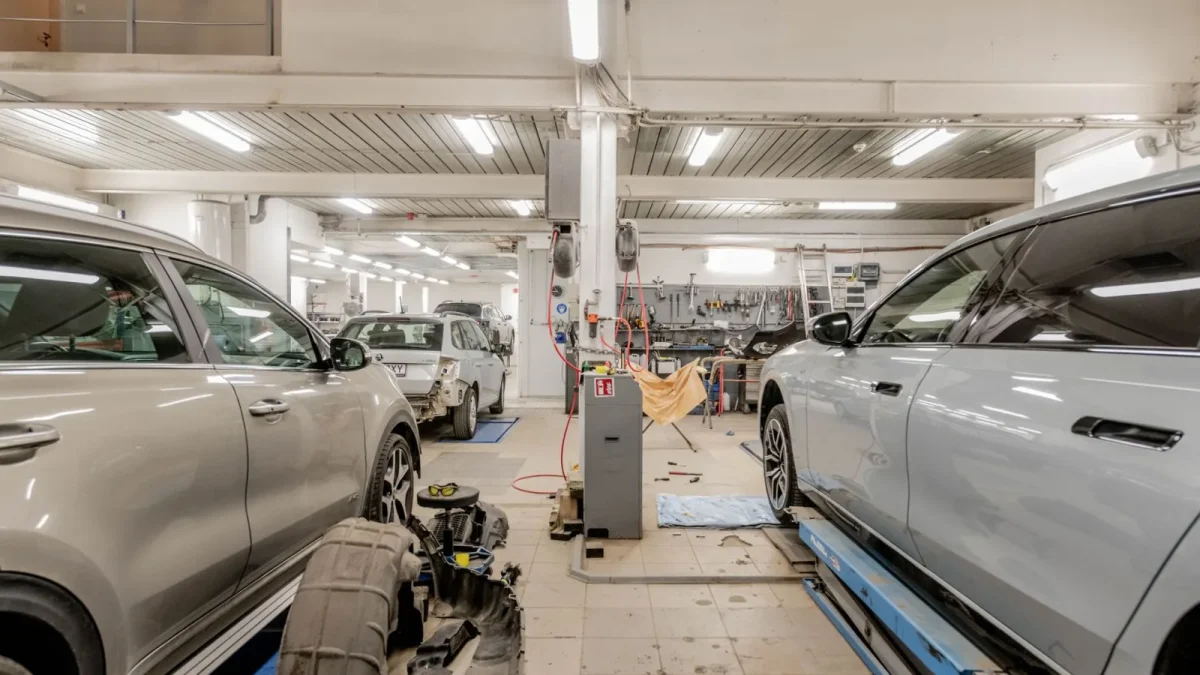
What a static job looks like in the bay
Floor gets checked for level. Tire pressures set to spec, because ride height affects camera angle. Targets measured out with a laser or a tape and a plumb line. Then the scan tool walks the sensor through the routine. Start to finish, a clean static calibration runs about 30 to 60 minutes when nothing fights back.
Dynamic calibration: the road-based method
Dynamic calibration flips the whole thing around. Instead of targets in a bay, the car learns by driving. A technician connects the scan tool, starts the calibration routine, and then drives the vehicle on real roads while the camera watches lane markings, road edges, and other traffic.
The system needs specific conditions to complete: a steady speed, often 20 to 45 mph depending on the make, clear lane lines, decent weather, and daylight. The scan tool confirms when the camera has gathered enough data and locks in the aim.
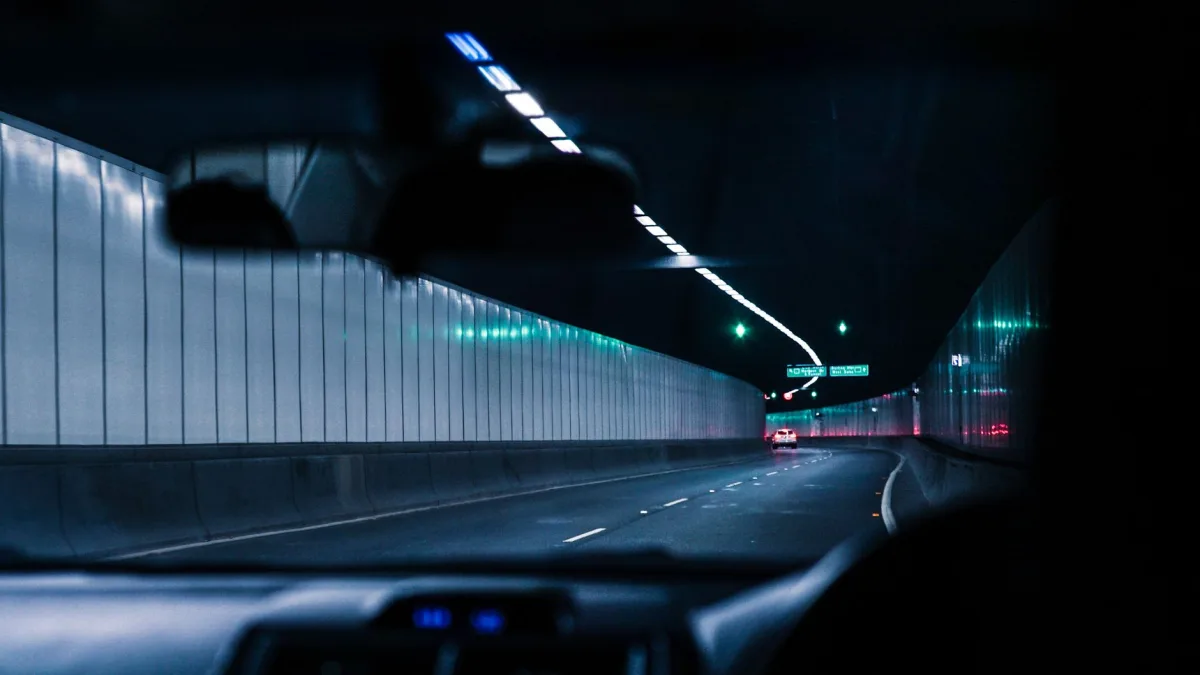
Ford, many Toyota and Lexus models, and Subaru EyeSight often use dynamic calibration. Subaru’s stereo camera system, for instance, frequently completes its learning on a road drive rather than in front of boards.
Watch out
Bad weather, faded lane paint, or heavy traffic can stall a dynamic calibration. If a shop tells you the road test got aborted and needs a second attempt, that is normal, not incompetence. A snowstorm can legitimately keep a Subaru from finishing its drive cycle.
Static vs dynamic, side by side
| Factor | Static | Dynamic |
|---|---|---|
| Where it happens | Parked in the shop | Driving on the road |
| Equipment | Target boards, level floor | Scan tool, open roads |
| Weather sensitive | No | Yes, needs clear conditions |
| Typical time | 30 to 60 minutes | 20 to 60 minutes of driving |
| Common brands | Honda, Nissan, VW | Toyota, Ford, Subaru |
Why some cars need both
Here is the part that surprises people. A growing number of vehicles require a static calibration first, then a dynamic drive to finish the job. The static portion sets the baseline aim in the bay, and the road drive validates it under real conditions.
Many newer GM, BMW, and Mercedes models fall into this dual category, and so do some late-model Hondas. When you hear a quote that includes both bay time and a road test, that is usually a dual-procedure vehicle, not padding on the bill.
Static aims the camera. Dynamic proves the aim holds up at speed. Some cars insist on both, and skipping either one leaves the system half-blind.
The automaker’s service procedure is the final word. A shop cannot choose dynamic because it lacks target boards if the manufacturer mandates static. Doing so is exactly how a calibration ends up incomplete and the safety systems misbehave later.
How this shows up on your dash and your bill
If a calibration is required but never performed, you will often see a lane departure, pre-collision, or camera warning light stay lit. On some cars the system simply goes quiet and stops working without an obvious alert, which is the more dangerous outcome because you may not notice until you need it.
Cost tracks the method too. Dynamic-only jobs tend to run a bit cheaper because they need less specialized equipment, while static and dual procedures cost more for the bay time and target hardware. We break the numbers down in our ADAS calibration cost guide, and it pairs closely with windshield replacement and camera recalibration since glass work is the most common trigger of all.
Tip
Before you book any glass or body shop, ask one question: does my vehicle need static, dynamic, or both, and is that calibration included in the quote? A shop that answers clearly is a shop that has done the homework. For the bigger picture, our complete guide to ADAS cameras and sensors ties all of this together.
Which one is “better”
Neither method is superior. They are simply different tools the engineers chose for different sensor designs. A static-only car is not more accurate than a dynamic-only car, and paying for a road test on a vehicle that only needs boards is wasted money.
What matters is that your specific vehicle gets the exact procedure its maker specifies, done on the right equipment, and verified with a scan tool at the end. If you are curious how independent shops and dealers differ on this, our look at DIY versus professional sensor work touches on where the equipment line falls.
The neutral safety groups agree on why this matters. The IIHS overview of driver assistance is a solid, jargon-free read on why a correctly aimed camera is the whole ballgame for these systems.
Get the method right, and lane keep tracks true, automatic braking judges the gap correctly, and adaptive cruise holds a clean following distance. Get it wrong, and every one of those features is guessing.
Questions drivers ask
The automaker's service procedure decides, not the shop. A dealer or a good glass shop can look up your exact year and model. Many Hondas and Nissans use static, while Toyota, Ford, and Subaru often use dynamic, and some newer cars require both.
Not reliably. Drive-based calibration needs clear lane markings, daylight, and steady speeds to complete. Heavy rain, snow, or faded paint can stall the routine, so the shop may have to attempt the road test again on a better day.
No. Both are equally valid when done correctly on the right equipment. Each method simply suits a different sensor design. What matters is that your vehicle gets the exact procedure its maker specifies and passes a scan-tool check.
Some newer GM, BMW, Mercedes, and Honda models set the baseline aim with target boards in the bay, then confirm it with a road drive. Skipping either step leaves the calibration incomplete and the safety systems misjudging distance.
Lane keep, automatic emergency braking, and adaptive cruise can misjudge where objects and lane lines are. Sometimes a warning light stays on, and sometimes the system just quietly stops working, which is the more dangerous case.