Here is the sentence I say most often when a repair bill surprises someone: “The part is cheap, the calibration is what costs you.” A driver comes in for what feels like a simple fix, a cracked windshield, a fender bumped in a parking lot, a set of new tires and an alignment, and leaves learning their car’s camera or radar has to be re-aimed on top of it.
It is not a scam and it is not shops padding the ticket. Modern driver-assist systems are only as good as their aim, and dozens of ordinary repairs knock that aim off.
So let me give you the definitive list. If any item below describes work done to your car, assume calibration is on the table until a scan tool proves otherwise.
Key takeaways
- Windshield replacement is the single most common trigger, because the forward camera lives on the glass.
- Any work that changes ride height, wheel angles, or the position of a sensor can require recalibration.
- Bumper, fascia, and grille repairs disturb the radar even when the sensor itself is untouched.
- When in doubt, a scan-tool check confirms whether the system holds its aim, and it is cheaper than driving on a blind camera.
Trigger 1: Windshield replacement
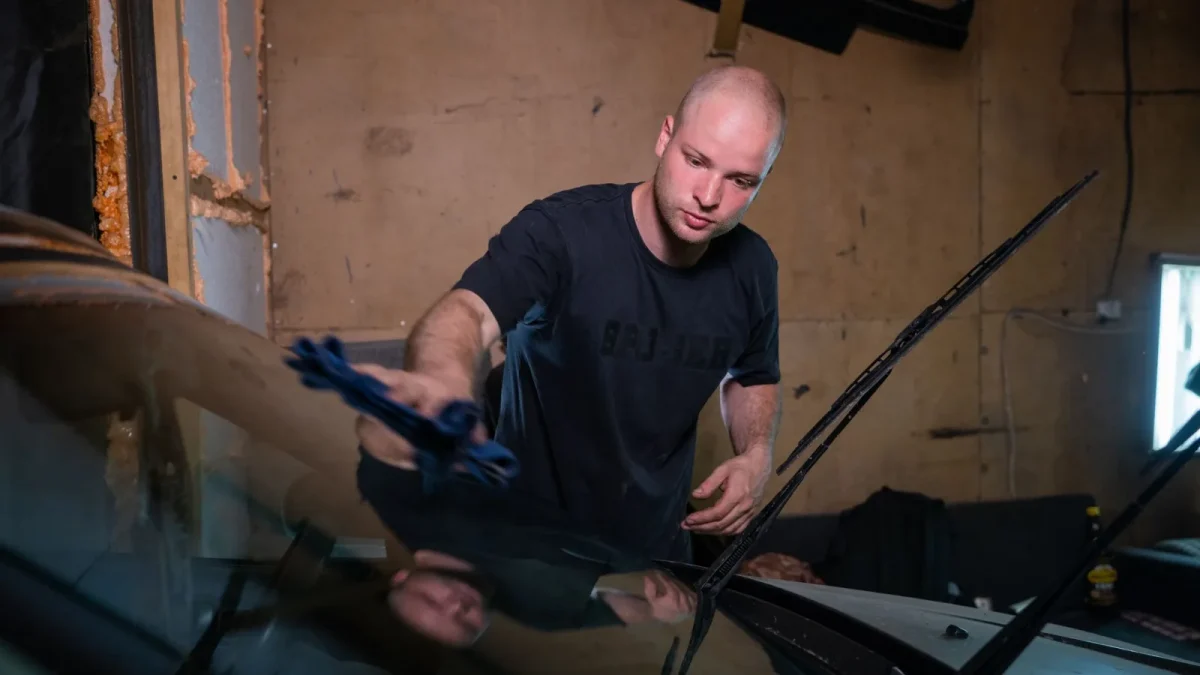
If your car has a camera mounted at the top of the windshield, near the mirror, replacing that glass almost always demands recalibration. The camera bracket bonds to the glass, so a new windshield means the camera sits in a slightly different spot, even if it looks identical.
- New windshield installed on a car with a mirror-mounted forward camera.
- Camera bracket removed, re-bonded, or replaced during the swap.
- Aftermarket glass used, which can have different optical properties than factory glass.
This one is non-negotiable on most 2018-onward vehicles with lane keep or pre-collision braking. Our deep dive on windshield replacement and camera recalibration covers exactly what to ask your glass shop before they cut the old glass out.

Watch out
Some mobile glass installers replace the windshield and hand the car back without a word about calibration. If lane keep or automatic braking depends on that camera, driving away uncalibrated means the system may be working off a bad aim. Always ask.
Trigger 2: Wheel alignment and suspension work
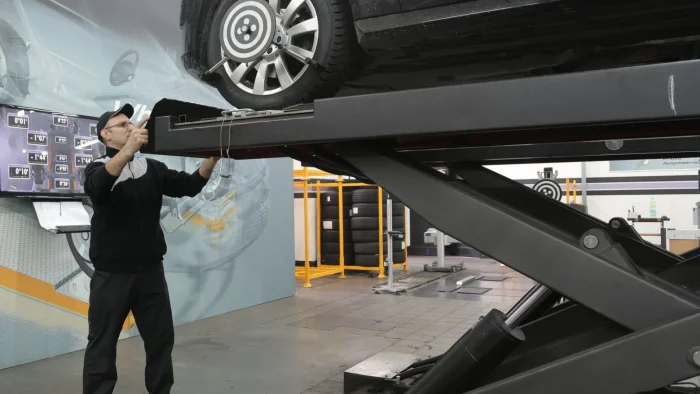
This is the one drivers least expect. Many forward cameras and radars reference the vehicle’s thrust line, the direction the rear wheels actually point. Change the alignment and you can change what the camera considers “straight ahead.”
- Four-wheel alignment performed, especially one that adjusts rear toe.
- Struts, springs, control arms, or other suspension parts replaced.
- Any repair that alters ride height or how the car sits.
Not every alignment forces a calibration, but on plenty of makes it does. We sorted out the details in whether wheel alignment requires ADAS calibration, because the answer genuinely depends on your brand.
Good to know
Ride height matters because the camera looks out at a fixed angle. Lift a truck, lower a sedan on coilovers, or even run tires a size taller, and the camera’s line of sight shifts down or up relative to the road. Some systems tolerate it, some throw a fault.
Trigger 3: Bumper, fascia, and grille repairs
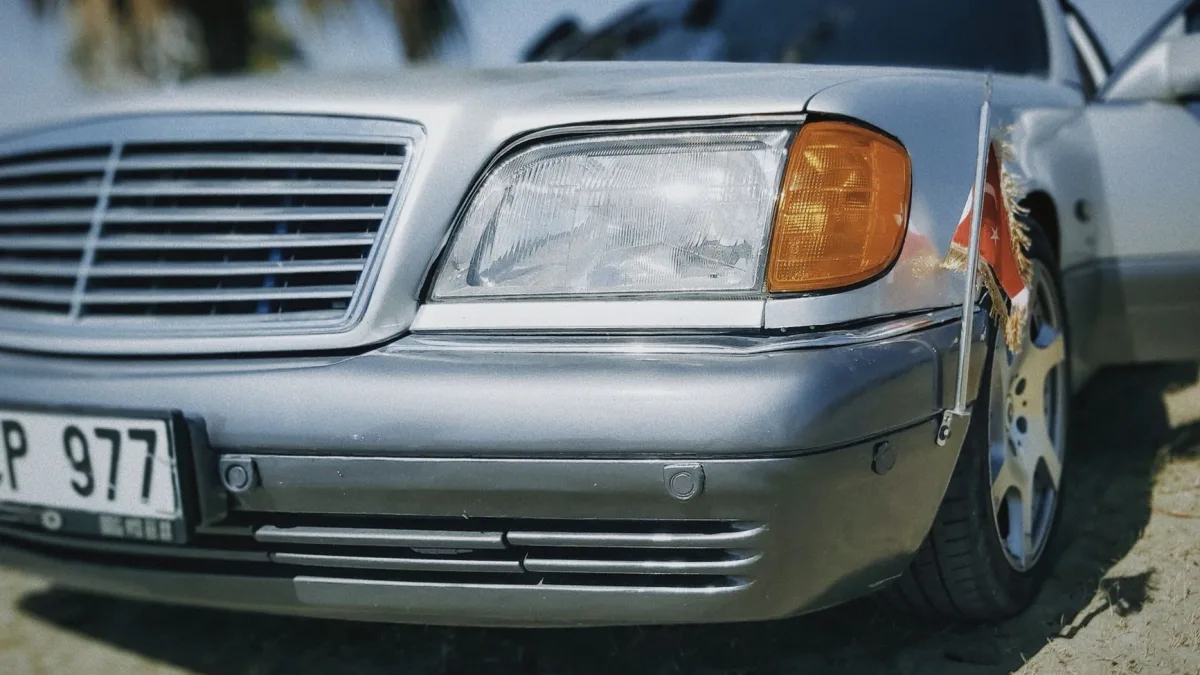
Front and rear radar sensors usually hide behind the bumper cover or in the grille. Remove that cover for a repair, repaint it, or replace it, and the radar can end up pointing a hair off from where it was.
- Front bumper removed, replaced, or repainted after a collision.
- Radar sensor unbolted, replaced, or its bracket disturbed.
- Rear bumper work on cars with rear cross-traffic or blind-spot radar.
- Thick aftermarket paint or accessories added over a sensor area.
Even a fender bender that seems cosmetic can matter. I have seen a lightly scuffed bumper cover, pulled off and refitted, throw a Honda’s radar off just enough to trigger a fault the next week.
Trigger 4: Camera or radar replacement
This one is obvious but worth stating. Any time the sensor itself is swapped out, whether the front camera, a corner radar, or a 360 surround camera, the new unit knows nothing about your car until it is calibrated.
- Forward camera module replaced after failure or damage.
- Front or rear radar module replaced.
- Surround-view or backup camera replaced or repositioned.
- Sensor connector or mounting bracket replaced.
If you are not sure where all these sensors even live on your vehicle, our map of ADAS sensor locations on a car shows the usual hiding spots, from the windshield to the mirror caps to the rear quarter panels.
Trigger 5: Ride-height and modification changes
Lift kits, lowering springs, oversized tires, heavy roof loads, and even a permanently loaded truck bed can shift how the car sits and where the sensors aim. This is a gray area, but it is real.
The camera does not know you added a two-inch lift. It only knows the road suddenly looks lower than it used to, and it starts placing lane lines in the wrong spot.
Add-on accessories count too. Bull bars, grille guards, and even certain license plate frames can block or deflect a radar signal. We covered those in bull bars and grille guards blocking radar and license plate frames blocking rear sensors.
A quick decision checklist
Run through this before you assume you are in the clear after any repair.
- Did anyone replace or remove the windshield? Calibration almost certainly needed.
- Was an alignment or suspension repair done? Check your make’s requirement.
- Was a bumper, fascia, or grille removed or repainted? Radar aim may have moved.
- Was any camera or radar unplugged or swapped? Calibration required.
- Did ride height change from a lift, lowering, or new tire size? Have it checked.
- Did you add a bull bar, guard, or bulky plate frame near a sensor? Verify the signal path.
Tip
The cheapest insurance is a pre-scan and post-scan. A good shop reads your car’s modules before the repair and again after. If the aim held, you pay for a quick check. If it drifted, you caught it before relying on a misaimed camera. The method used, whether target boards or a road drive, is covered in our static vs dynamic calibration explainer.
What it costs if you ignore it
Skipping a required calibration does not save money, it hides a problem. Automatic emergency braking that misjudges distance, lane keep that nudges you toward the shoulder, adaptive cruise that follows too close or too far, these are the failure modes of a camera that thinks it is pointed somewhere it is not.
Sometimes a dash light warns you. Sometimes the system just underperforms silently. The MyCarDoesWhat safety education site is a plain-language resource on what each of these features is supposed to do when it is working right.
For the money side, our ADAS calibration cost breakdown shows what a proper job runs, and the complete ADAS cameras and sensors guide ties every trigger, sensor, and cleaning tip together in one place.
My rule after fifteen years in the bay is simple. If the repair touched the glass, the alignment, the bumper, the ride height, or a sensor, treat calibration as part of the job, not an afterthought. Your safety systems only protect you when they know exactly where they are looking.
Questions drivers ask
If your car has a forward camera mounted on the windshield near the mirror, then yes, almost always. The camera bracket bonds to the glass, so a new windshield shifts the camera position and the aim must be reset. This applies to most 2018-onward cars with lane keep or pre-collision braking.
On many makes, yes. Some cameras reference the vehicle's thrust line, so changing rear toe or overall alignment can change what the camera considers straight ahead. Whether it is mandatory depends on your specific brand and model.
Front and rear radar sensors sit behind the bumper cover. Removing, replacing, or repainting that cover can nudge the sensor's aim, and thick paint can weaken the signal. Even a cosmetic-looking repair can put the radar slightly off.
They can. Cameras aim at a fixed angle, so raising or lowering the car, or running a taller tire, shifts the line of sight relative to the road. Some systems tolerate it, others throw a fault, so it is worth having the aim checked after any ride-height change.
The safety systems keep running but off a bad aim. Automatic braking may misjudge distance, lane keep can steer you wrong, and adaptive cruise may follow at the wrong gap. Sometimes a warning light appears, and sometimes the system just quietly underperforms.