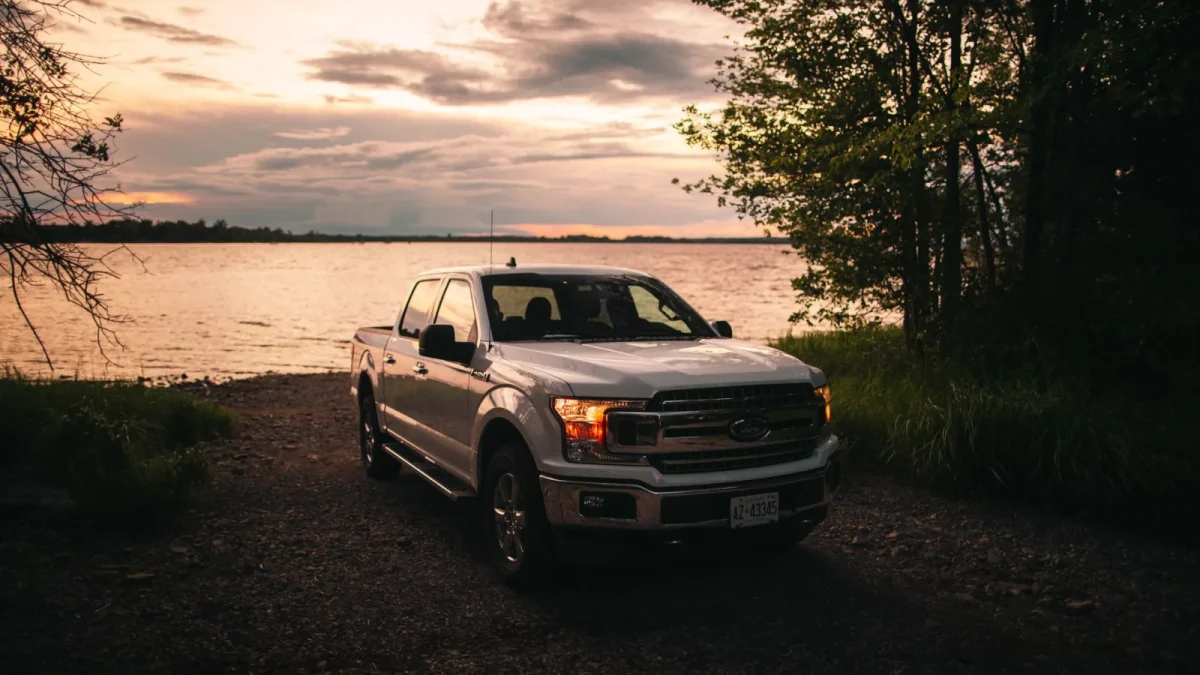
“BLIS Not Available” flashes across your F-150 cluster, or a wrench-style warning shows next to the blind spot symbol, and the amber lights in your mirrors have gone dark. Your first thought is probably that a sensor died and a repair bill is coming. Usually it is not that bad.
BLIS stands for Blind Spot Information System, Ford’s name for its radar-based blind spot monitor. On Explorers, F-150s, Escapes, and Edges I have chased this message down dozens of times, and the culprit is almost always something you can spot in the driveway.
Here are the questions Ford owners ask me, answered straight, with the exact reset path at the end.
Key takeaways
- “BLIS Not Available” almost always means a blocked rear bumper radar, not a failed part.
- Ice, road salt, mud, and a fresh bumper repair are the top triggers on F-150 and Explorer.
- A hitch-mounted accessory or trailer will disable BLIS on purpose.
- The reset is often a clean sensor plus a full ignition cycle, no shop required.
- If it stays off after cleaning, a stored code and possible recalibration are next, usually $150 to $400.
What does BLIS Not Available actually mean?
Ford is telling you the system is temporarily out of service. The key word is temporarily. This is not the same as a hard “service now” fault.
BLIS uses two radar sensors tucked behind the rear bumper, one at each corner. Those sensors fire a signal out to the sides and rear to catch a vehicle sitting in your blind zone. If either sensor cannot get a clean signal, Ford disables the feature and posts the message rather than risk a missed warning.
Good to know
The BLIS radar and Ford’s cross-traffic alert share the same rear bumper sensors. So when BLIS goes unavailable, your rear cross-traffic alert usually quits at the same moment. That shared symptom is a helpful clue, not a second problem.
For the plain-English version of how those hidden units read traffic, our explainer on how blind spot monitoring works behind the bumper is worth two minutes.
What blocks the Ford BLIS sensor most often?
The number one cause, by a wide margin, is a dirty rear bumper. The radar sees through the plastic, but only if that plastic is reasonably clear.
On trucks especially, the lower rear corners collect a thick paste of mud, road film, and salt. I had a Super Duty owner certain his module had failed. It was a solid quarter inch of dried clay over the passenger side sensor from a weekend at the lake.
Snow and ice do the same thing in winter, and a fresh coat of thick wax or a bumper sticker slapped over the sensor zone can also throw it. Clean both rear corners with warm water and a soft cloth, then see if the message clears. For the safe technique and the full list of offenders, see cleaning blind spot sensors the right way and what blocks blind spot sensors.
Watch out
Aftermarket steel bumpers, hitch step plates, and even a metal license plate frame mounted low can interfere with BLIS on some Ford trucks. Metal in front of the radar is a classic cause I see on lifted and accessorized F-150s. If the message started right after a bumper or accessory swap, that is your suspect.
Does a trailer or bike rack cause BLIS Not Available?
Absolutely, and this is one of the most common questions from Explorer and F-150 owners who tow.
A trailer, hitch bike rack, or cargo carrier sits directly in the radar’s field. The sensor sees a big stationary mass and cannot separate it from a real hazard, so BLIS shuts down and posts the message. That is by design.
Many Ford trucks with the factory tow package actually mask the blind spot zone to account for a trailer, but a non-factory rack still confuses it. Our guide on the blind spot monitor off after a trailer or bike rack explains what is normal and what is not.
How do I reset BLIS on an F-150 or Explorer?
Good news: there is no secret dealer button for the everyday version of this. The reset is mechanical, then electrical.
Work this order and most drivers clear it in the driveway.
- Clean both lower rear bumper corners with warm water and a soft cloth.
- Remove any hitch rack, cargo carrier, or trailer if one is attached.
- Turn the vehicle fully off, open and close the driver door, and let it sit for a minute.
- Start it up and drive above 20 mph for a few minutes so the system runs its self-check.
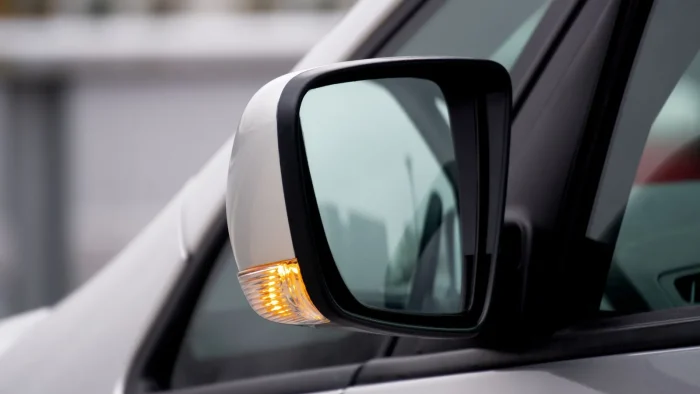
- Watch for the amber mirror lights to flash at startup, which confirms the self-test ran.
That ignition cycle plus a short drive is what clears the latched message once the real cause is gone. If it comes right back with clean sensors and nothing on the hitch, the problem is deeper than dirt. Our broader guide on the blind spot system unavailable message and the piece on when the blind spot light stays on both rank the stubborn causes.
Nine out of ten BLIS Not Available messages are a clean-and-cycle fix. The tenth needs a scan tool, not a guess.
Why does BLIS quit in winter?
Cold weather is prime time for this message on Ford trucks and SUVs. The rear corners collect snow, slush, and salt spray faster than any other panel on the vehicle.
One highway run through wet snow can pack the sensor zone solid, and BLIS goes dark until you clear it. If your Ford only loses BLIS when it is cold and wet, that is a limitation of radar, not a defect. Our seasonal breakdown of blind spot monitoring failing in snow and ice covers what you can fix and what you cannot.
Tip
Add the two rear bumper corners to your winter walk-around. A quick wipe when you clear the tailgate camera keeps BLIS alive on exactly the slushy days you want it watching your merge.
What if it stays off after a bumper repair?
This is where a real bill can enter the picture, though it is still routine. Any body work on the rear bumper can shift the radar’s aim or disturb the sensor mount.
A mis-aimed BLIS radar either refuses to work or reads distance wrong, and it will not fix itself with a cleaning. After a collision repair or a bumper repaint over the sensor, the system usually needs a recalibration on a scan tool. Budget somewhere in the $150 to $400 range depending on shop and model.
If BLIS died the day you got the truck back from body work, tell the shop. That is almost never a coincidence, and the fix is a calibration, not a new sensor.
How does Ford BLIS compare to other systems?
Owners switching brands sometimes expect BLIS to look or behave differently. It is a radar system much like Toyota’s, with amber mirror lights and no video feed.
If you came from a Honda, you might be surprised there is no camera image on your screen, since Honda’s LaneWatch works a different way. Our comparison of Honda LaneWatch versus blind spot monitoring explains why, and the Toyota blind spot monitor light guide shows how close the Toyota experience is to Ford’s.
| Situation | Likely cause | Fix |
|---|---|---|
| Message after a muddy drive | Blocked sensor | Clean corners, cycle ignition |
| Message while towing | Trailer in radar field | Normal, clears when unhitched |
| Message after body work | Radar out of aim | Recalibration at a shop |
When should you take it in?
If you have cleaned both rear corners, removed anything from the hitch, run a full ignition cycle, and BLIS still shows unavailable, that is your cue to have it scanned for codes.
A technician can pull the stored fault in under an hour and tell you whether it is a calibration issue, a wiring fault from a parking-lot bump, or a failed sensor. That turns a mystery message into a known repair. For the full map of every blind spot symptom across brands, start at our pillar on blind spot monitoring warning lights explained. And for an independent look at how these systems are rated and tested, the IIHS driver assistance resource is a solid, no-hype reference. Most of the time, BLIS just wants a clean bumper and a fresh start.
Questions drivers ask
It means the Blind Spot Information System is temporarily out of service, usually because a rear bumper radar sensor cannot get a clean signal. The most common cause is a dirty, iced, or blocked rear bumper corner. It is not the same as a hard service fault.
Clean both lower rear bumper corners, remove any hitch rack or trailer, then turn the truck fully off for a minute. Restart and drive above 20 mph for a few minutes so the system runs its self-check. Most everyday cases clear this way.
Yes. A trailer, hitch bike rack, or cargo carrier sits in the radar field and confuses the sensor, so BLIS shuts down on purpose. The message usually clears once you unhitch and cycle the ignition.
Snow, slush, and road salt collect fast on the lower rear bumper corners where the radar lives. One highway run through wet snow can pack the zone solid. Wipe both corners and the system usually comes back.
Often, yes. Rear body work can shift the radar aim, and a mis-aimed sensor will not fix itself with cleaning. Recalibration on a scan tool usually runs $150 to $400 depending on shop and model.