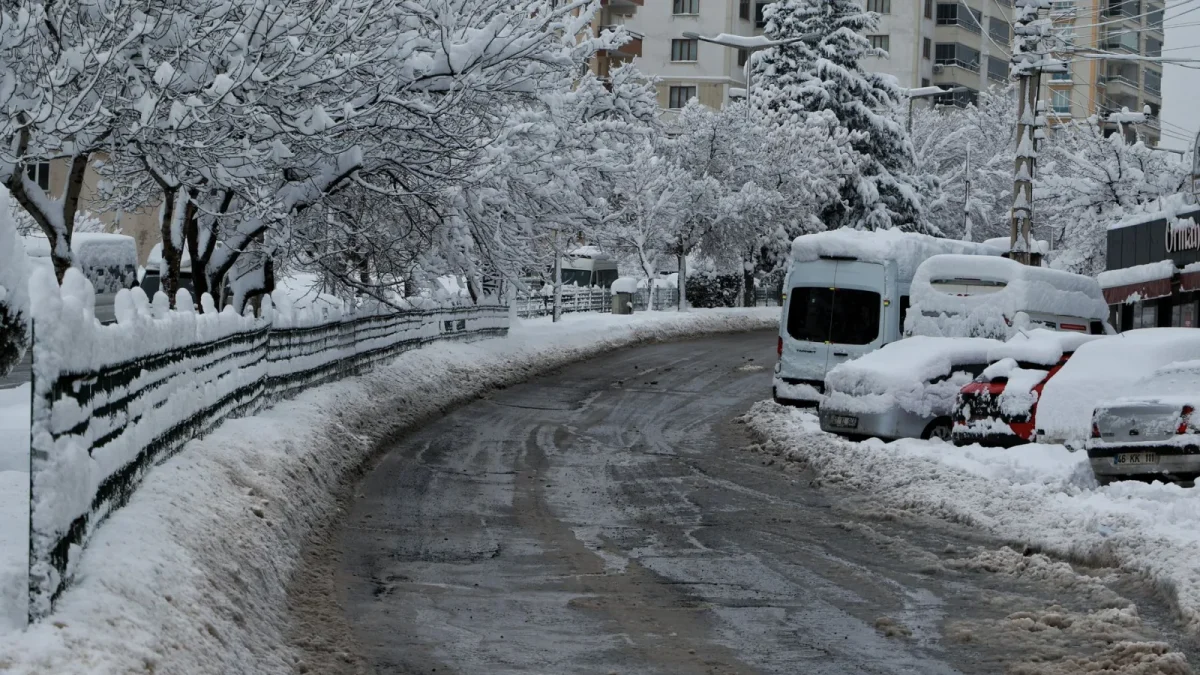
The first hard freeze of the year has a way of exposing every weakness in a car, and blind spot monitoring is near the top of the list. You back out of a snowy driveway, merge onto the highway, and instead of a helpful amber triangle in your mirror you get a message telling you the system is unavailable. Nothing is broken. Winter just packed your radar in slush.
I see a wave of these complaints every January, and almost none of them are real faults. Let me explain what cold weather actually does to blind spot monitoring and how to keep it working when you need it most.
Key takeaways
- Packed snow, slush, and road-salt crust over the rear bumper radar are the top cold-weather cause of BSM dropouts.
- The system usually disables itself on purpose when it cannot get a clean radar return, then comes back once the sensor zone is clear.
- A quick brush of the rear corners before you drive prevents most winter blind spot warnings.
- Freezing rain and ice buildup are worse than dry snow because ice sticks and holds a salt film against the sensor.
Why cold weather knocks out blind spot monitoring
It is not the temperature itself. Radar units are rated to work far below freezing. The problem is what winter piles on top of the sensor.
Your blind spot radar lives behind the rear bumper corners and shoots its beam outward through the plastic. Dry powder snow it can often see through. But wet slush, packed snow, and especially a crust of road salt form a dense, wet layer that scatters and absorbs the signal.
Once the return signal gets too weak or too noisy, the system does the responsible thing: it stops guessing and tells you it is offline. If you have seen that exact wording, the blind spot system unavailable message explainer walks through what it means on different brands.
Good to know
Road salt is worse than snow alone. Salt spray dries into a gritty, mineral-heavy crust that clings to the bumper and dampens radar even after the snow melts. That is why the warning sometimes appears on a clear, dry day in February.
The winter slush cycle that traps drivers
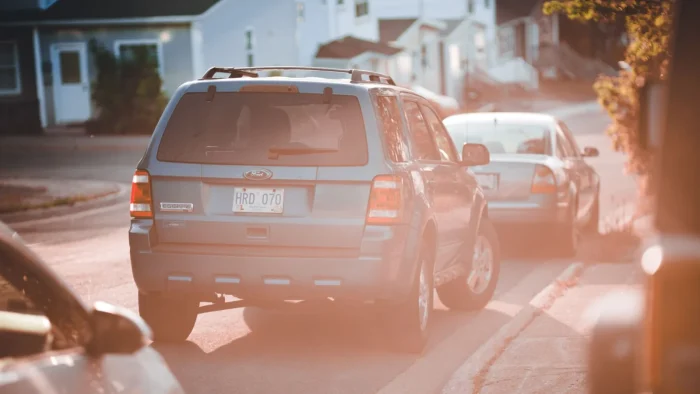
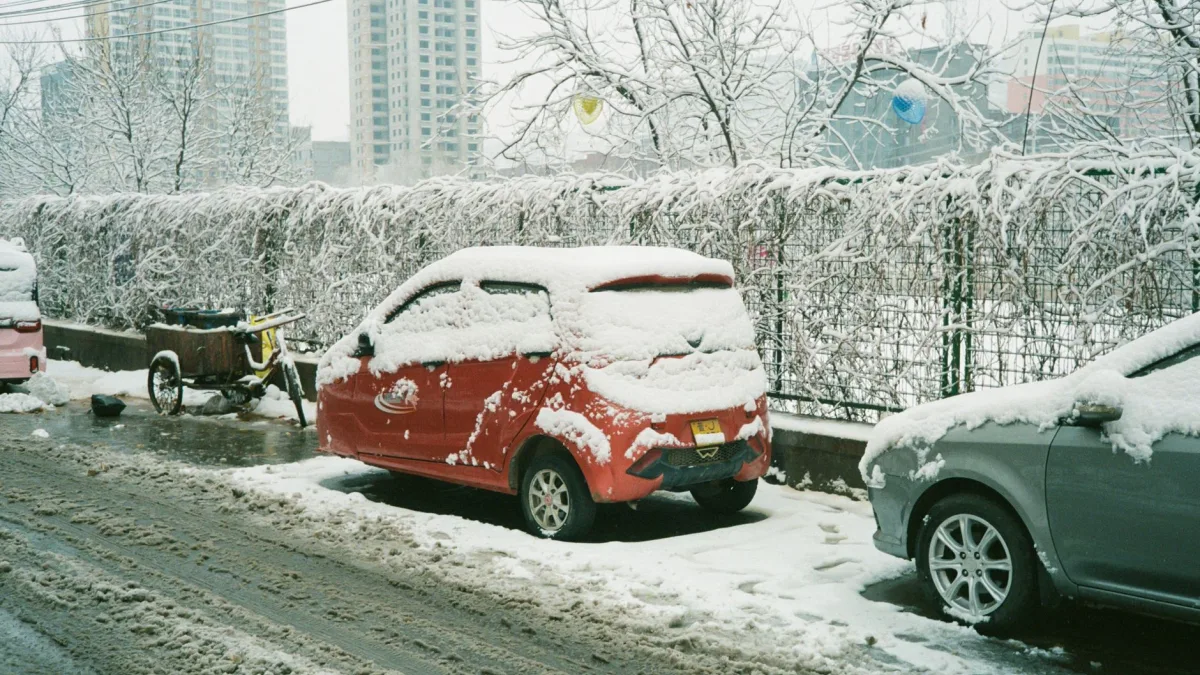
Here is the pattern I hear over and over. It snows, the highway gets salted, and your rear bumper collects a spray of brown slush at exactly the height of the sensor.
You drive, it partially melts, then it refreezes overnight into a hard glaze. The next morning the radar is looking through a frozen, salty pane, and the blind spot monitor is dead until you clear it.
Understanding where the sensor sits makes this obvious. If you have never looked, my breakdown of how blind spot monitoring works behind the bumper shows exactly where the radar hides and why that low rear-corner spot is a slush magnet.
What to do before every winter drive
The fix is genuinely simple, and it takes about the same time as scraping your windshield. Add the rear corners to your ice-clearing routine.
- Brush snow off both rear bumper corners, not just the windows.
- Knock off any ice glaze with a plastic scraper used gently and flat, never a metal edge dug in.
- Wipe away salt crust with a gloved hand or a cloth if the surface is above freezing.
- Do a quick shoulder check on your first few merges until the system confirms it is back online.
Tip
Keep an old microfiber cloth in the door pocket all winter. Ten seconds wiping each rear corner after you fuel up clears the salt film before it dries and hardens, which is far easier than chipping frozen crust the next morning.
Rear cross-traffic alert dies too
Do not forget that the same rear-corner radar usually powers your rear cross-traffic alert, the feature that warns you of cars crossing behind while you back out. When snow blocks the sensor, that goes offline right alongside blind spot monitoring.
That is a real safety gap in a crowded winter parking lot, so back out slowly and look. If your cross-traffic alert is dark and you are not sure it is only the weather, my guide on rear cross-traffic alert not working helps you tell winter grime from an actual fault.
Dry snow versus ice: not the same problem
People lump all winter weather together, but the radar reacts very differently depending on what is stuck to it.
| Condition | Effect on radar | Fix |
|---|---|---|
| Dry powder snow | Often passes through | Light brush if any |
| Wet slush | Blocks strongly | Clear before driving |
| Ice glaze | Blocks and holds salt | Gentle plastic scraper |
| Dried salt crust | Dampens signal | Wipe with damp cloth |
A blind spot monitor that quits in a snowstorm is not failing you. It is refusing to give you a confident answer it cannot actually see.
Cleaning the sensor zone in cold weather
You can clean a salt-crusted sensor area in winter, but do it right so you do not scratch the paint or shove the radar out of alignment. Warm the car first if you can, use lukewarm water rather than boiling (thermal shock can crack cold clear coat), and wipe gently.
The full gentle method lives in my blind spot sensor cleaning walkthrough, and every step there applies double in winter when the plastic is brittle and cold.
Watch out
Never pour boiling water on a frozen bumper to melt ice off the sensor. The sudden temperature change can crack the bumper cover or the sensor housing. Lukewarm water and a plastic scraper are the safe route.
When it is more than winter
Nine times out of ten, a cold-weather blind spot dropout clears itself the moment the sensor zone is clean and dry. If yours does not, or if it stays dark on a warm, clean day, winter is no longer the explanation.
At that point you could be dealing with a genuinely misaligned or failing sensor, and it is worth a scan. The pillar guide to blind spot monitoring warning lights lays out every message and what each one really points to, so you can decide whether it is a rag-and-drive fix or a service appointment.
For the broader safety case on why keeping these winter-vulnerable systems working matters, NHTSA tracks how driver-assist features reduce real crashes. Worth remembering the next time you are tempted to skip clearing the rear corners on a rushed cold morning.
Winter will fight your blind spot monitor all season, but you win that fight with a brush and a cloth, not a scan tool. Add the rear corners to your morning routine, and the amber triangle will be there when the slippery merge actually needs it.
Questions drivers ask
Packed snow, wet slush, or a salt crust over the rear bumper radar scatters and absorbs the signal. When the return gets too weak, the system disables itself on purpose until the sensor zone is clear again.
No. That message usually means the radar cannot see clearly, so the car turns the feature off rather than give a false reading. It comes back once you clear snow and salt off the rear corners.
Yes, and it can be worse than snow. Salt spray dries into a gritty crust that clings to the bumper and dampens the radar even on a clear, dry day until you wipe it off.
Use a plastic scraper held flat and gentle, or lukewarm water. Never pour boiling water on a frozen bumper, since the thermal shock can crack the bumper cover or sensor housing.
Usually yes, because the same rear-corner radar powers both features. When snow blocks the sensor, cross-traffic alert goes offline too, so back out slowly and check over your shoulder.