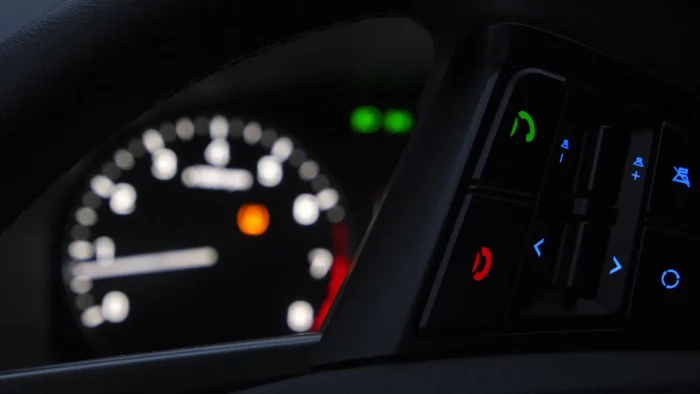
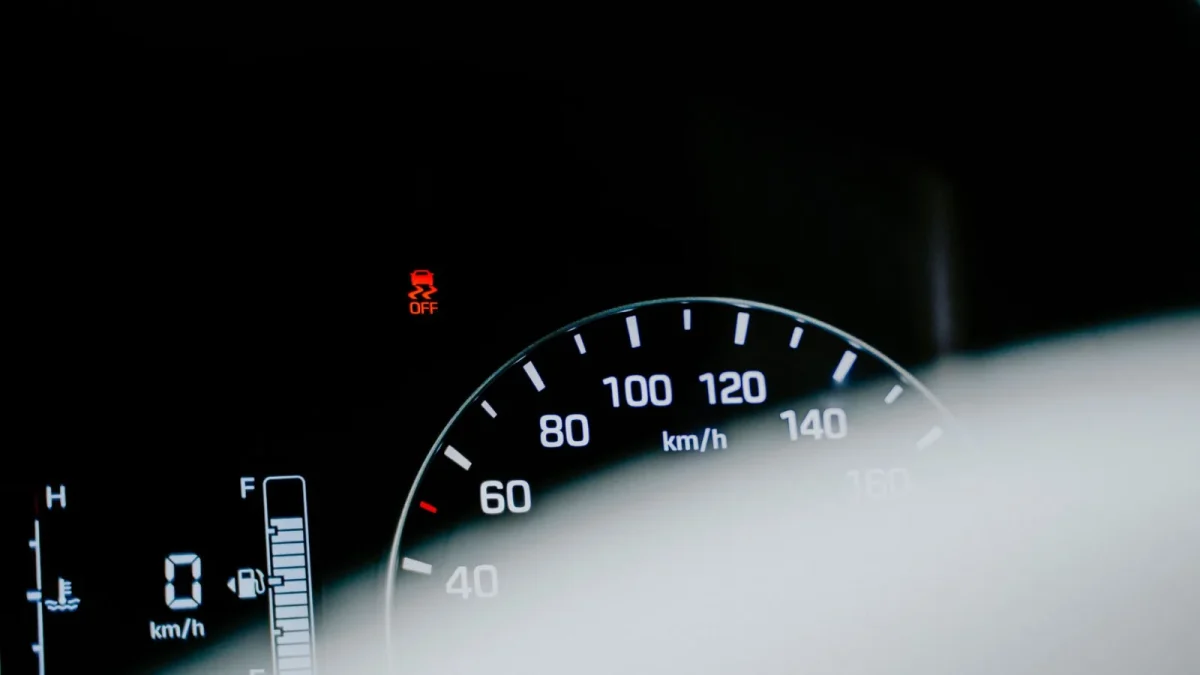
Every so often a driver hands me their phone with a photo of their dash, and the message on the cluster reads something like “Blind Spot System Unavailable” or “BSM Not Available.” They want to know if the car is broken, if it is safe to drive, and how much this is about to cost them.
The short answer is that the car is almost certainly fine to drive, and the fix is usually free. That message is not a death sentence for your electronics. It is the car being honest that the radar cannot see clearly right now.
Let me explain exactly what that text means and give you the same ordered checklist I run through in the bay, cheapest and quickest first.
Key takeaways
- A “blind spot system unavailable” message means the rear radar cannot get a clean signal, so the car switched the feature off rather than give you bad warnings.
- The top cause by far is a blocked sensor: snow, ice, mud, or grime over the rear bumper corners where the radar hides.
- Work the checklist in order: clean the corners, remove any rack or trailer, do a full reset, then scan for a code if it still will not clear.
- The car itself drives normally. You just lose the blind spot warning until the radar sees clearly again, so check lanes by hand in the meantime.
What the message actually means
Different brands word it differently. Toyota shows “Blind Spot Monitor Unavailable,” Ford’s BLIS may say “Blind Spot System Fault,” and Hyundai and Kia phrase it around their BCW feature. The wording changes but the meaning holds steady across all of them.
The car is telling you that the rear radar sensors cannot produce a signal it trusts. Instead of feeding you warnings that might be wrong, the system shuts itself off and posts the message. That is a safety design choice, not a malfunction.
Think of it like a lifeguard fogging up their goggles. Rather than guess at what is in the water, they step back and say they cannot watch right now. Your car does the same thing with the lane beside you.
Good to know
This message rarely means a part has died. In my experience the overwhelming majority clear with a simple cleaning or reset. A genuine failed sensor is far down the list of likely causes.
The ordered checklist to clear it
Do not throw parts or money at this before working through the free steps. I run these in the same order every time, and most cars are back to normal before I reach step three.
Step 1: Clean the rear bumper corners
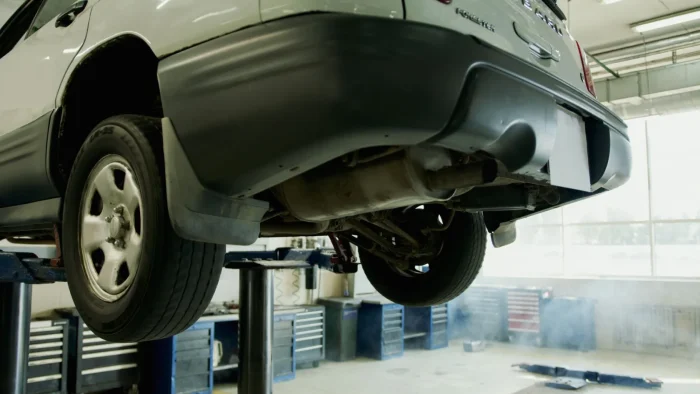
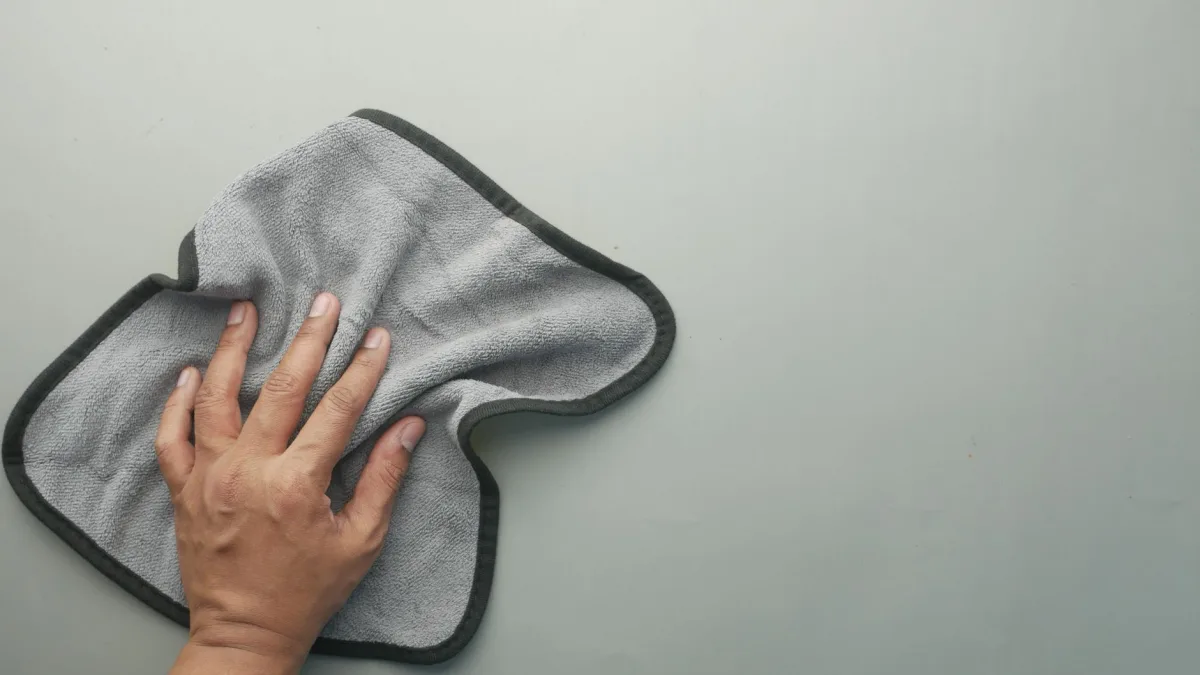
The radar sensors live inside the rear bumper, one on each back corner, reading through the plastic. Anything solid over that spot blocks them. Grab a damp microfiber cloth and gently wipe both corners, roughly where the bumper wraps toward the taillights.
Do not scrape hard or blast it with a pressure washer at close range. Our guide on cleaning blind spot sensors the right way shows the exact spot and the safe technique. If it is winter, the grime is probably packed snow or ice, covered in blind spot monitoring in snow and ice.
Step 2: Remove or account for anything you added
If the message showed up right after you mounted a bike rack, hooked up a trailer, or added a cargo carrier, that gear is very likely the culprit. The radar reads a solid object in its field of view as an obstruction and shuts down.
Take the rack off and see if the message clears, or check whether your car has a menu setting to disable the system while towing. Our guide on the blind spot monitor after a trailer or bike rack covers this, and the full list of blockers lives in what blocks blind spot sensors.
Step 3: Do a full key-off reset
If the bumper is clean and clear, cycle the power properly. Not a quick restart at a light, a real shutdown.
- Park somewhere safe and open, away from other cars.
- Turn the car completely off and let all the modules go dark.
- Wait at least two to three minutes.
- Restart and drive a short loop on a clear road so the system can re-scan.
- Confirm the message is gone with empty lanes beside you.
Tip
Cold, damp mornings are notorious for triggering this message from condensation or a thin ice film over the sensor. Very often it clears on its own once the car warms up and the moisture burns off. Give it a few minutes before you worry.
When to bring in a scan tool
If you have cleaned the corners, cleared any added gear, and done a full reset, and the message still will not go away, the system is reporting a stored fault. Now it is time for a diagnostic scan.
A technician plugs a scan tool into the car and reads the blind spot module directly. The code will point to the real problem, whether that is a sensor internal fault, a wiring or connector issue, or a calibration that drifted after a rear-end repair.
A message that outlasts a good cleaning and a reset has stopped guessing and started reporting. The only way to read what it is reporting is to talk to the module with the right tool.
This problem is a close cousin of a light that will not turn off, so if you also have a stuck mirror icon, cross-check our guide on the blind spot light that stays on. For the mechanics of what the module is doing, see how blind spot monitoring works behind the bumper.
What the repair path usually costs
Because most cases resolve for free, the cost picture is friendlier than the message makes it feel. Here is the realistic range from cheapest to most involved.
| Cause | Fix | Rough cost |
|---|---|---|
| Dirty or iced sensor | Clean the corners | $0 |
| Temporary glitch | Full reset | $0 |
| Aim off after bodywork | Radar recalibration | $150 to $400 |
| Failed sensor or wiring | Repair and calibrate | $400 to $1,200 |
Watch out
If this message appeared right after a rear bumper repair or a fender bender fix, the radar aim was likely knocked out of calibration. That needs a shop recalibration to correct, and it is worth asking the body shop whether ADAS calibration was included in their estimate.
Is it safe to keep driving?
Yes, the car drives completely normally with this message showing. Your engine, brakes, and steering are untouched. What you lose is the blind spot warning and, on many cars, the rear cross-traffic alert, since they share the same radar. If your reverse warning also went quiet, our guide on rear cross-traffic alert not working covers that side.
Just remember that your electronic backup is offline. Signal early, check your mirrors, and turn your head to clear the lane the way you did before you ever had the feature.
Match it to your brand
The steps above work on nearly any vehicle, but the menu names and quirks differ. Toyota drivers should read the Toyota blind spot monitor light guide, Ford owners the Ford BLIS not available walkthrough, and Hyundai or Kia drivers the Hyundai and Kia BCW light guide. For the big-picture view of every warning and how it all connects, start at our pillar on blind spot monitoring warning lights.
Work the checklist in order and you will clear this message yourself most of the time. If it holds on past a cleaning and a reset, get a scan so the fix targets the right part. For a neutral look at how much crash reduction these systems deliver, the IIHS overview of advanced driver assistance is a solid outside reference.
Questions drivers ask
It means the rear radar sensors cannot get a clean signal, so the car turned the blind spot feature off rather than give you unreliable warnings. The most common cause is a blocked sensor from snow, ice, mud, or grime over the rear bumper corners.
Work in order: clean both rear bumper corners with a damp cloth, remove any bike rack or trailer, then do a full key-off reset by shutting the car down for two to three minutes. If it still shows, have the module scanned for a fault code.
Yes, the car drives normally and your engine, brakes, and steering are unaffected. You only lose the blind spot warning and often the rear cross-traffic alert, so signal early, check mirrors, and turn your head to clear lanes until it is fixed.
Condensation or a thin film of ice over the sensor on a cold, damp morning can trigger it. Very often it clears on its own once the car warms up and the moisture burns off, so give it a few minutes before worrying.
Yes. A rear bumper repair or fender bender fix can knock the radar aim out of calibration and trigger the message. That requires a shop recalibration, so ask the body shop whether ADAS calibration was included in the estimate.