A fender bender at 8 miles per hour barely dents your day. The bumper cover pops back into shape, the shop repaints it, and you drive off feeling like nothing happened. Then two weeks later the little amber car icon in your side mirror stops lighting up, and a warning flashes on the dash telling you the blind spot system needs service.
I have seen this exact sequence play out dozens of times in the bay. The bodywork looked flawless. The problem lived behind the plastic, where two radar sensors sit quietly waiting to be treated with respect they rarely get during a rushed repair.
Most blind spot monitoring failures after a bumper job trace back to a handful of avoidable mistakes. Let me walk you through the ones I catch most often, so you can spot them before you sign off on the work.
Key takeaways
- Nearly every rear bumper hides two radar sensors that must be reinstalled at the correct angle, not just clipped back in place.
- Radar calibration or an aiming check is required after most bumper repairs, and skipping it is the number one cause of a dead or misaligned system.
- Reused or broken sensor brackets and clips throw the aim off by a few degrees, which is enough to make the system quit or fire false alerts.
- Aftermarket bumper covers and thick body filler over a sensor can block the radar signal completely.
Why bodywork and blind spot radar do not mix easily
The sensors behind your bumper are usually short-range radar units, one on each rear corner. They send out a signal, listen for the echo bouncing off cars beside you, and calculate closing speed. On many vehicles the same corner sensors also drive rear cross-traffic alert, so one careless repair can knock out two features at once.
Radar does not care how pretty the paint looks. It cares about angle, distance, and what sits between the sensor face and the outside world. If you want the full picture of what lives back there, our breakdown of how blind spot monitoring works behind the bumper shows exactly where these units mount and why their aim is so touchy.
A repair shop focused on making the panel straight will not always think about the invisible cone of radar coverage. That gap is where the trouble starts.
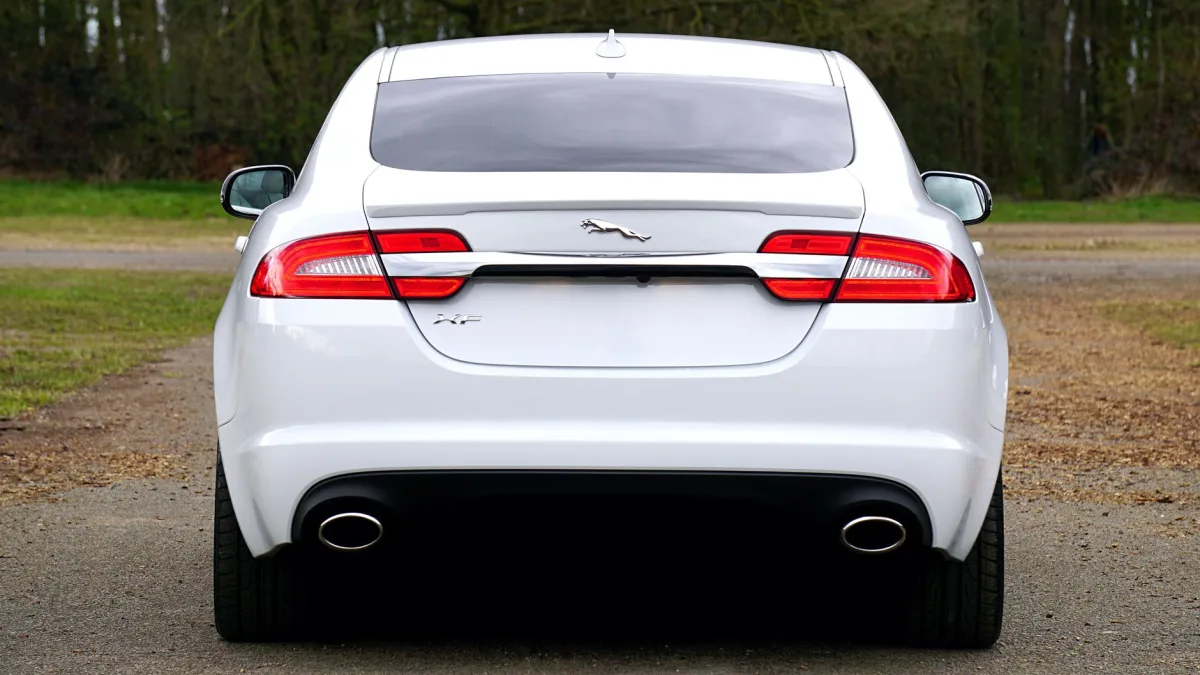
Mistake 1: Skipping the calibration or aiming check
This is the big one. Many owners assume that if the sensor bolts back in, it works. That is not how these systems behave.
Radar sensors have a target aim measured in fractions of a degree. Bump the mount, and the whole coverage zone shifts. On brands like Subaru, Honda, and most Hyundai and Kia models, the service manual calls for a radar aiming procedure or a calibration with a scan tool after the bumper comes off.
Watch out
A shop can clear the warning light with a scan tool without ever aiming the sensor. The light goes away, you drive off happy, and the system is silently pointed at the pavement or the sky. Ask specifically whether the sensor was calibrated, not just whether the code was cleared.
Calibration usually runs $150 to $400 depending on the vehicle and whether the shop has the right target fixtures. That sounds like a lot to tack onto a bumper repair, but it is far cheaper than replacing a sensor you damaged by driving on a bad aim.
Mistake 2: Reusing broken clips and brackets
Bumper covers attach with dozens of small plastic clips and tabs. Sensor brackets bolt to the bumper structure or the cover itself with their own dedicated hardware.
When a bumper comes off after a crash, those clips crack. A rushed tech snaps the cover back on with half the clips broken, and the whole assembly sits a few millimeters off from where the factory put it. That tiny shift travels straight to the sensor aim.
I once had a 2019 Honda CR-V come in with an intermittent CMBS-adjacent blind spot fault. The body shop had reused a cracked sensor bracket, and every pothole nudged the sensor a degree or two. It worked fine on smooth roads and quit on rough ones. New bracket, proper torque, problem gone.
Tip
Ask the shop to itemize new clips and sensor brackets on the estimate. Genuine or quality aftermarket brackets cost a few dollars each. A shop that refuses to replace them to save $15 is telling you something about the rest of the job.
Mistake 3: Painting or filling over the sensor zone
Radar can pass through a factory bumper cover and its factory paint. It does not pass reliably through thick body filler, heavy metallic paint layers, or added coats piled on to hide a repair.
The area of the bumper directly in front of each sensor is a no-fill, thin-paint zone. Bury it under filler or a triple coat of metallic base, and the signal weakens or scatters. The result is a system that reads slow, misses fast-approaching cars, or throws a fault.
This is closely related to the broader problem of physical obstructions. If you want to understand every material that kills a radar signal, our guide to what blocks blind spot sensors covers stickers, mud, and yes, paint thickness in detail.
Mistake 4: Installing the wrong bumper cover
Aftermarket and salvage bumper covers are a mixed bag. Some are engineered exactly like the original. Others use slightly different plastic density, add a metal-flake finish, or place the sensor cutout a hair off center.
Any of those differences can degrade radar performance. A cover from a trim level that never had blind spot monitoring may lack the correct sensor mounting points entirely, forcing an improvised install that never aims correctly.
| Bumper cover source | Radar risk | What to verify |
|---|---|---|
| Genuine OEM cover | Low | Correct part number for your trim |
| Quality aftermarket | Medium | Sensor cutouts and plastic spec match |
| Salvage from lower trim | High | Sensor mounts actually present |
Mistake 5: Ignoring the warning message that follows
After a bumper repair, some drivers see a message like Blind Spot System Unavailable and assume it will clear itself once they drive a while. Sometimes it does, if the sensor just needs to re-learn. Often it does not.
If that message sticks around for more than a drive cycle or two, it is telling you the system found something wrong. Our explainer on the blind spot system unavailable message walks through what the vehicle is actually reporting and when a re-scan is worth it.
A cleared code is not a working sensor. The light being off only means nobody is asking questions, not that the answer is good.
How to protect yourself before and after the repair
You do not need to be a technician to keep a body shop honest. You just need to ask the right questions and check a few things when you pick up the car.
- Before the repair, tell the shop your vehicle has blind spot monitoring and rear cross-traffic alert so they plan for calibration.
- Ask whether radar aiming or calibration is included, and get the answer in writing on the estimate.
- Confirm new clips and sensor brackets are being used, not reused cracked hardware.
- On pickup, test the system in a parking lot: pull alongside a parked row and watch for the mirror indicators to light.
- Back out of a space near cross traffic to confirm rear cross-traffic alert still chimes and flashes.
- Drive a few miles and make sure no blind spot warning appears on the dash.
Good to know
If your rear cross-traffic alert is the feature that went quiet, the corner sensors are almost always the culprit since they usually serve both systems. Our piece on rear cross-traffic alert not working helps you separate a sensor problem from a settings problem.
What a proper post-repair verification looks like
A shop that respects these systems will pull the sensors, inspect the mounts, reinstall with fresh hardware, and run a calibration with the correct target setup. Then a tech drives the car and confirms real alerts, not just a green light on a scan tool.
If your side mirror indicator refuses to behave even after all that, the fault may be deeper than the repair. A stuck indicator has its own set of causes, and our guide on why the blind spot light stays on covers wiring and module issues that a bumper job can aggravate.
For the complete map of every dashboard symbol and message these systems throw, keep our pillar on blind spot monitoring warning lights handy. It ties every warning back to a likely cause.
Bodywork and driver assist technology now share the same real estate behind your bumper. Treat the repair like it involves a sensitive instrument, because it does. The Insurance Institute for Highway Safety keeps a useful overview of advanced driver assistance systems if you want to understand what these features are protecting you from, and why keeping them aimed correctly is worth the extra calibration line on your invoice.
Questions drivers ask
In most cases, yes. Removing the bumper disturbs the corner radar sensors, and the service manual for brands like Subaru, Honda, Hyundai, and Kia calls for a radar aiming or calibration procedure. Skipping it leaves the sensor pointed slightly off, which can disable the system or cause false alerts.
Expect roughly $150 to $400 depending on the vehicle and whether the shop owns the correct radar target fixtures. That is far cheaper than replacing a sensor damaged by driving on a bad aim, so treat it as part of the repair, not an optional add-on.
Yes. Radar passes through a factory cover and factory paint, but thick body filler or extra coats of heavy metallic paint over the sensor zone can weaken or scatter the signal. The area directly in front of each sensor must stay thin and free of filler.
A reused cracked sensor bracket or broken clips can let the sensor shift slightly over rough roads until the aim drifts out of spec. It works on smooth pavement and faults on bumpy roads. New brackets and proper torque usually solve it.
Pull slowly alongside a parked row and watch for the mirror indicators to light. Then back out near cross traffic to confirm rear cross-traffic alert chimes. Drive a few miles and make sure no blind spot warning appears on the dash.