Most drivers who tell me adaptive cruise feels unsafe or unpredictable are not dealing with a broken car. They are making one of a handful of very common mistakes, usually without realizing it. Fix the habit and the system suddenly feels calm and trustworthy.
After fifteen years of hearing the same complaints across the service counter, I can almost guess the mistake before the driver finishes the story. So let me lay out the ones I see over and over, and the correct habit to replace each one.
Read these once and you will get more out of your system than any dealership walkthrough gave you on delivery day.
Key takeaways
- Most ACC complaints come from driver habits, not mechanical faults.
- Treating adaptive cruise as self-driving is the single most dangerous mistake.
- The wrong following gap makes the system feel jerky or like it tailgates.
- Dirty sensors and ignored warning messages cause avoidable dropouts.
- Knowing your system’s limits in weather and terrain keeps it predictable.
Mistake 1: Treating it like self-driving
This is the big one, and it is worth stating plainly. Adaptive cruise controls your speed and following distance. It does not steer, it does not read every hazard, and it is not designed to handle stopped traffic in every situation.
I have had drivers admit they looked at their phone because the car was holding its gap so well. That is exactly the moment a stopped vehicle around a bend, or a lane split the radar cannot interpret, catches you out.
Watch out
Adaptive cruise is a level of driver assistance, not automation. Your eyes stay on the road and your hands stay ready. Every automaker states this, and every serious incident I have read about traces back to a driver who forgot it.
The fix: use ACC to reduce fatigue on long highway stretches, not to check out. Stay engaged, keep scanning ahead, and be ready to brake or steer at any moment.
Mistake 2: Running the wrong following gap
Drivers set the gap to the shortest bars because they think a longer gap means being slow, then complain the car brakes hard and feels jumpy. Others leave it on the longest setting in traffic and get frustrated when everyone merges into the space.
The gap is measured in time, not feet, and it should match the situation. A short gap on the highway gives the car almost no room to slow smoothly, so every adjustment feels like a lurch.
The fix: use a middle or long gap on open highway for smoother, calmer braking, and only shorten it briefly in heavy, slow traffic if merging is a problem. Our guide to following distance settings shows what each bar actually translates to.
Mistake 3: Ignoring dirty or blocked sensors
The radar behind your grille and the camera on your windshield need a clear view. Drivers wash the windshield glass over the wipers and never think about the little camera zone up top, or the grille where the radar hides.
A film of bugs, salt, mud, or snow is enough to make the system drop out or throw a fault. Then the customer assumes the electronics failed.
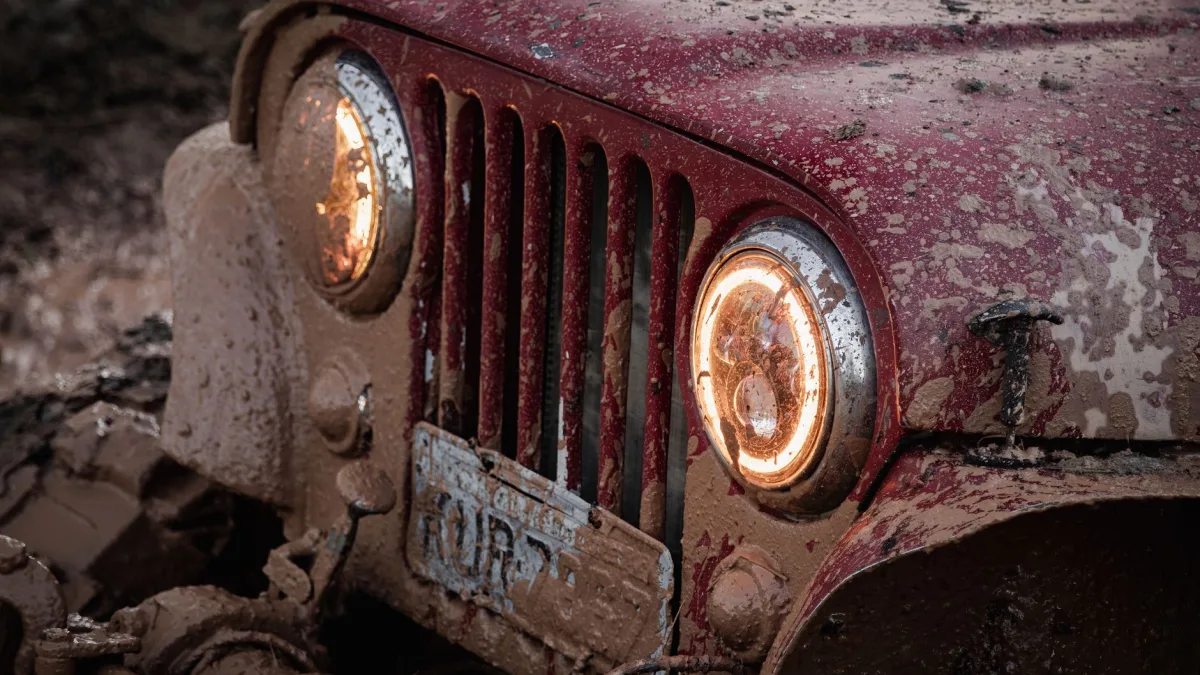
The fix: keep the grille and the windshield camera zone clean. In winter this matters even more, which we cover in our guide to adaptive cruise in snow and ice. If you keep seeing an obstruction message, our writeup on the cruise unavailable radar obstructed message walks through it.
Mistake 4: Trusting it in bad weather
Adaptive cruise does not know the road is wet or icy. It controls throttle and brakes with no sense of traction, so it can brake harder than the surface allows or add power where you would not.
Heavy rain and dense fog also degrade what the sensors can see, so the system may drop out or react late exactly when you need it most.
Good to know
On genuinely slick roads, many technicians, myself included, simply turn adaptive cruise off and drive it manually. The system has no traction awareness, so a slippery surface is one place your judgment beats the radar every time.
The fix: lengthen your gap in rain and fog, or switch to manual on slick roads. Our guide to adaptive cruise in fog and rain explains what to expect in low visibility.
Mistake 5: Panicking at normal behavior
A surge over a hill, a brief brake at an overpass, a lost target on a curve: drivers often read these as faults and yank the system off in alarm. Most of it is normal line-of-sight behavior.
Knowing what your system is supposed to do wrong is half the battle. The other half is not overreacting when it does exactly that.
The fix: learn the normal quirks so you are not startled by them. Our pieces on adaptive cruise on hills and curves and phantom braking explain which behaviors are by design and which are not.
Mistake 6: Skipping calibration after repairs
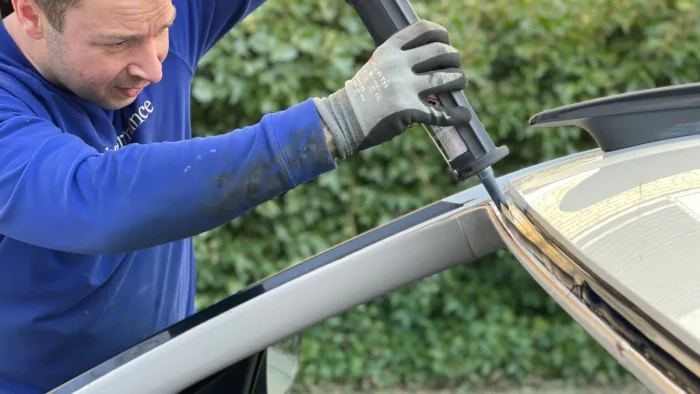
Get a windshield replaced or bumper work done and drive off assuming everything is fine. The radar and camera often need recalibration after that work, and skipping it leaves the system misaimed.
A misaimed radar is behind a surprising share of phantom braking and dropout complaints I diagnose.
The fix: confirm the shop recalibrated the ADAS sensors after any glass or front-end work. Our guides on adaptive cruise after windshield replacement and adaptive cruise after bumper repair or paint cover what to ask for.
Mistake 7: Not knowing your own system
Brands behave differently. Subaru EyeSight is camera-based and fussy about the windshield. Toyota DRCC, Honda, and Hyundai and Kia Smart Cruise Control are radar-led and tolerate a dirty windshield better but choke on a blocked grille. Assuming all systems act alike leads to confusion.
- Read the ADAS section of your owner’s manual once, not never.
- Learn where your radar and camera physically live.
- Know your car’s stop-and-go behavior before you rely on it in traffic.
- Understand which weather your system tolerates and which it does not.
If you drive a Toyota, the Toyota DRCC problems writeup is a good primer. Traffic-heavy commuters should also read up on stop and go traffic jam assist, since low-speed behavior varies a lot between brands.
Put it together
Avoid these seven and adaptive cruise stops feeling like a mystery. Stay engaged, set a sensible gap, keep the sensors clean, respect the weather, and know your car. That is the whole game.
For the full picture of how everything fits, the complete adaptive cruise control guide pulls it together, and the independent overview at Consumer Reports car safety is a solid outside reference on what these systems can and cannot do.
None of this is complicated. It is just the difference between a driver who fights the system and one who works with it.
Questions drivers ask
Treating it like self-driving. Adaptive cruise controls speed and following distance only. It does not steer or handle every hazard, and it is not designed for all stopped-traffic situations. Keep your eyes on the road and your hands ready to take over at any moment.
Use a middle or long gap on open highway for smoother, calmer braking. A short gap gives the car almost no room to slow gently, so every adjustment feels jerky. Only shorten the gap briefly in heavy, slow traffic if other drivers keep merging into your space.
Be cautious. The system has no traction awareness and can brake harder than a slick surface allows. Heavy rain and fog also degrade the sensors. Lengthen your gap in poor visibility, and on genuinely slippery roads many technicians just switch it off and drive manually.
Usually yes. The radar and camera often need recalibration after windshield replacement or bumper and front-end work. Skipping it leaves the sensor misaimed, which causes phantom braking and dropouts. Confirm the shop recalibrated the ADAS sensors before you drive off.
Most often it is a habit, not a fault. A short gap makes it jerky, dirty sensors make it drop out, and not knowing the normal quirks on hills and overpasses makes ordinary behavior feel like a malfunction. Fixing the habit usually fixes the feel.