Toyota’s radar cruise has a name only an engineer could love: Dynamic Radar Cruise Control, or DRCC. It rides on nearly every Camry, RAV4, Corolla, Highlander, and Tacoma built in the last several years, bundled into the Toyota Safety Sense package.
It is a solid system. It is also the source of a very consistent list of questions I have fielded across service counters, because Toyota’s version has a few quirks and messages that are peculiar to it. Owners think something failed when the car is often behaving exactly as designed.
So let me answer the DRCC questions I hear most, in plain language, the same way I would if you pulled up to my bay with a warning on the dash.
Key takeaways
- Most DRCC complaints trace to a blocked front radar, a low-speed limitation, or a normal reset, not a failure.
- Older Toyota systems disengage below about 25 mph, newer full-speed ones follow to a stop.
- The radar lives behind the Toyota emblem on the grille, and snow or mud over it kills DRCC fast.
- Windshield replacement and front-end body work almost always require a recalibration.
- A true fault stores a code, and a dealer or good shop can read it in under an hour.
Q: Why does my DRCC keep saying it is unavailable?
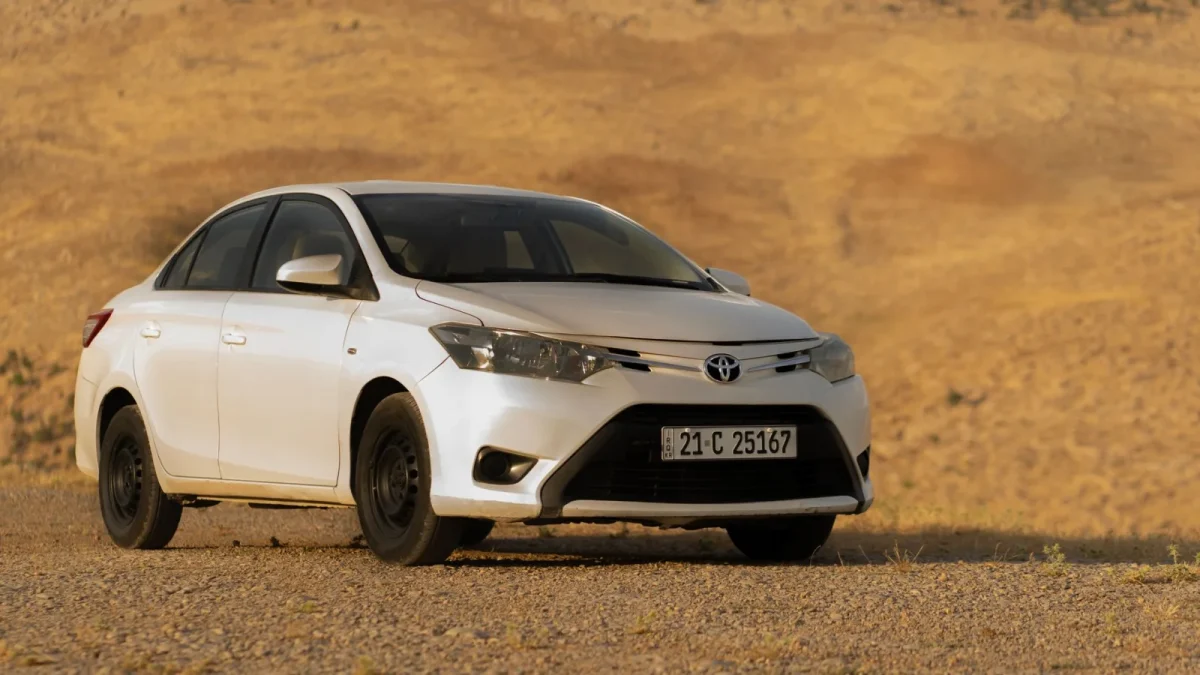
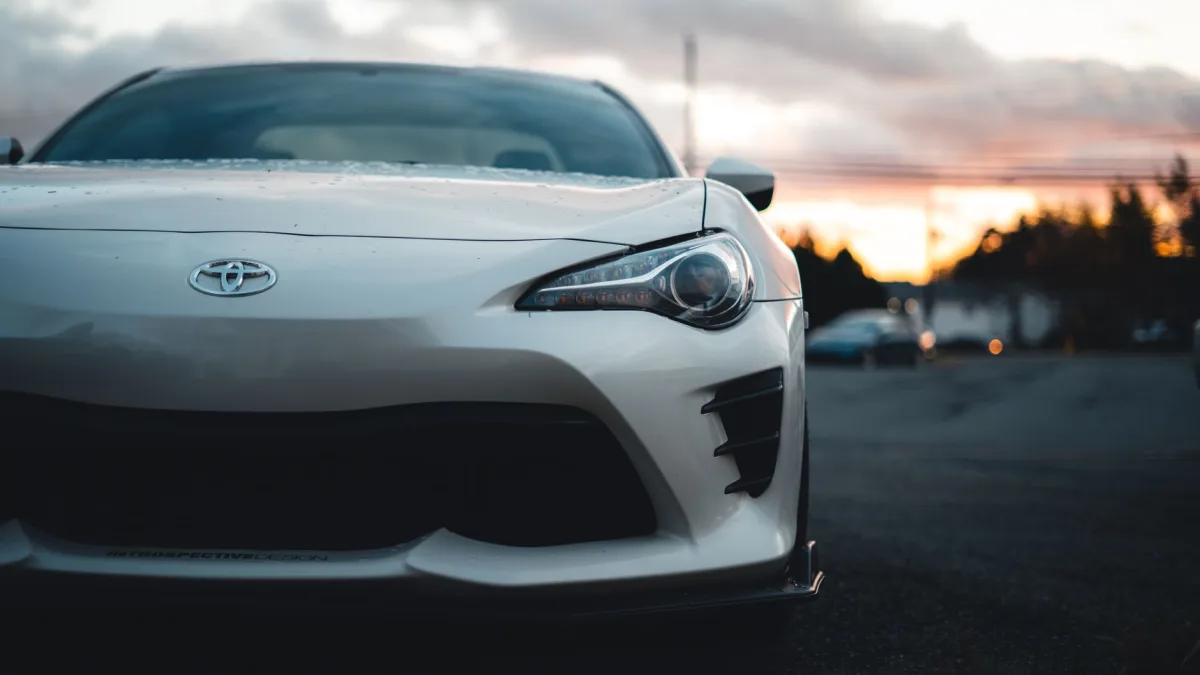
The most common answer is a blocked radar. On most Toyotas the radar sensor sits behind the Toyota emblem in the center of the front grille, and it does not take much to blind it.
Snow, ice, road salt film, caked mud, or a thick layer of bug splatter over that emblem will trip a “Radar Cruise unavailable” or a general sensor message. I had a RAV4 come in for this exact complaint in February. The badge was packed solid with frozen slush. Ninety seconds with warm water and a cloth and DRCC came right back.
Clean that emblem area first, every time. If a specific message pointed you there, our step-by-step on the radar obstructed message fix shows exactly where the Toyota sensor hides and how to clear it.
Q: Why does DRCC shut off in slow traffic?
This one depends entirely on your model year and trim, and it is the single biggest source of confusion I see.
Older Toyota Safety Sense systems, roughly the TSS-P generation, use a DRCC that only works above about 25 mph. Drop below that in traffic and it hands control back to you with a beep. That is not a defect. That version was never designed to crawl or stop.
Newer Toyota Safety Sense 2.0 and 2.5 systems on most 2019-onward models add full-speed-range DRCC with Low-Speed Follow, which can slow to a full stop and resume behind the car ahead. If your Toyota stops on its own in a jam, you have this version. If it quits at low speed, you have the older one, and that is simply its limit.
Good to know
Even full-speed DRCC only auto-resumes after a short stop, usually about three seconds. Sit longer than that and the car waits for you to tap the gas or press resume before it moves. Owners often mistake this normal pause for a malfunction. Our explainer on stop and go traffic jam assist covers the resume rule in full.
Q: Why does my DRCC brake harder than I would?
Two things drive this, and neither means the system is broken.
First is your following gap. DRCC gives you three distance settings, and if you are on the shortest one, the car leaves little cushion and brakes firmly whenever traffic tightens or someone merges in front of you. Bumping the gap to the longest setting smooths it out dramatically. Our guide to following distance settings explains how to change it.
Second is a late cut-in. When a car slides into your lane close ahead, the radar suddenly sees a much shorter gap and reacts to reopen it. That firm brake is DRCC doing its job, just abruptly. Longer follow gaps give it more room to react gently.
Q: My DRCC quit right after a windshield replacement. Why?
Because your Toyota’s forward camera lives on the windshield. Toyota Safety Sense uses both the grille radar and a camera mounted up by the mirror, and DRCC leans on both. Pull the glass, and that camera’s aim shifts.
After any windshield swap, that camera needs a recalibration, and until it is done DRCC and lane systems can act up or refuse to work. This is not optional and it is not something a chain glass installer always handles. If your radar cruise died the day you got new glass, that is your answer, and adaptive cruise after windshield replacement walks through the recalibration you need.
Watch out
Do not assume the glass shop calibrated your camera. Many do not have the Toyota targets or software, and some simply skip it. Ask directly whether a Toyota Safety Sense forward camera calibration was performed. If they cannot answer, get it done at a dealer or an ADAS-equipped shop before you rely on DRCC.
Q: I had bumper work done and now DRCC is off. Connected?
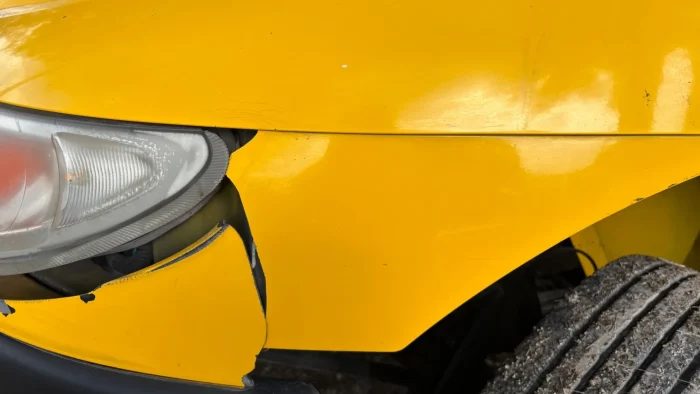
Almost certainly. The radar behind the front emblem is sensitive to aim. A front-end collision repair, a bumper replacement, or even a repaint over the radar cover can nudge it out of alignment.
A radar that is aimed even slightly wrong will either refuse to engage or misjudge distance, and a good shop knows a front bumper R and R on a Toyota triggers a radar recalibration. If your DRCC problems started after body work, that is the trail to follow, and adaptive cruise after bumper repair or paint covers it in detail.
Q: Why does DRCC drop out in the rain or fog?
Toyota’s radar handles darkness fine, but heavy rain scatters the signal and dense fog blinds the supporting camera. When conditions cross a threshold, DRCC pulls itself offline and shows a message about reduced visibility or a temporarily unavailable sensor.
This is protective, not a failure. It comes back on its own once the weather eases and the sensor clears. If DRCC engages and then keeps quitting on you mid-drive, that specific pattern is worth chasing separately, and our breakdown of adaptive cruise dropping out while driving ranks those causes.
With Toyota DRCC, the boring explanation is almost always the right one. Clean the emblem, check your speed, remember the last time it saw a shop. Real faults are the exception, not the rule.
Q: When is it actually a fault?
Only after the everyday stuff is ruled out. If the front emblem is clean, your speed is in range, the weather is clear, and you have had no recent glass or body work, yet DRCC still refuses, then it is time to pull codes.
Toyota stores diagnostic trouble codes for the radar and pre-collision system, and a dealer or a shop with a capable scan tool can read them quickly and tell you whether it is a calibration issue, a wiring fault, or a failed module. That turns guesswork into a known repair.
A quick DRCC self-check
Before you book an appointment, run this order. It resolves the large majority of Toyota radar cruise complaints without spending a dime.
- Clean the Toyota emblem and grille area over the radar, slats included.
- Confirm your speed is above the minimum for your system, often 25 mph on older ones.
- Rule out heavy rain, fog, or snow blocking the sensor or camera.
- Recall any recent windshield replacement or front bumper work.
- Try a longer follow gap if your only complaint is firm braking.
Answer those honestly and most DRCC mysteries solve themselves. For the full picture of how the whole feature is meant to behave, circle back to our complete adaptive cruise control guide, and if the car simply will not set at all, our rundown of adaptive cruise control not working ranks every cause.
The honest summary
DRCC is one of the more reliable radar cruise systems on the road, and the vast majority of complaints I see are a dirty emblem, a low-speed limitation, or a recalibration owed after service. Real hardware failures are genuinely uncommon.
Know which generation you have, keep that front badge clean, and remember that new glass or bumper work means a calibration is due. For a neutral overview of how these safety systems are designed to perform, Consumer Reports keeps a level-headed car safety section worth a look. Handle the basics and your Toyota’s radar cruise will serve you well for years.
Questions drivers ask
On most Toyotas the radar sits behind the Toyota emblem in the center of the front grille. Snow, ice, mud, or bug buildup over that badge can block it and trigger a Radar Cruise unavailable message. Cleaning the emblem area usually clears it.
Older Toyota Safety Sense systems only work above about 25 mph and hand control back below that. Newer TSS 2.0 and 2.5 systems on most 2019-onward models add full-speed-range DRCC with Low-Speed Follow that can stop and resume. Which one you have depends on model year and trim.
Yes. Toyota Safety Sense uses a forward camera mounted on the windshield, so replacing the glass shifts its aim. The camera needs recalibration afterward, and many glass shops skip it. Confirm the calibration was done at a dealer or an ADAS-equipped shop.
Usually because you are on the shortest following gap, which leaves little cushion, or because a car cut in close ahead. Switching to a longer follow distance gives the system more room to slow down gently and smooths out the braking.
Only after ruling out a dirty emblem, low speed, bad weather, and recent glass or bumper work. If DRCC still refuses with all of that clear, a dealer or capable shop can pull codes for the radar and pre-collision system in under an hour to find the real issue.