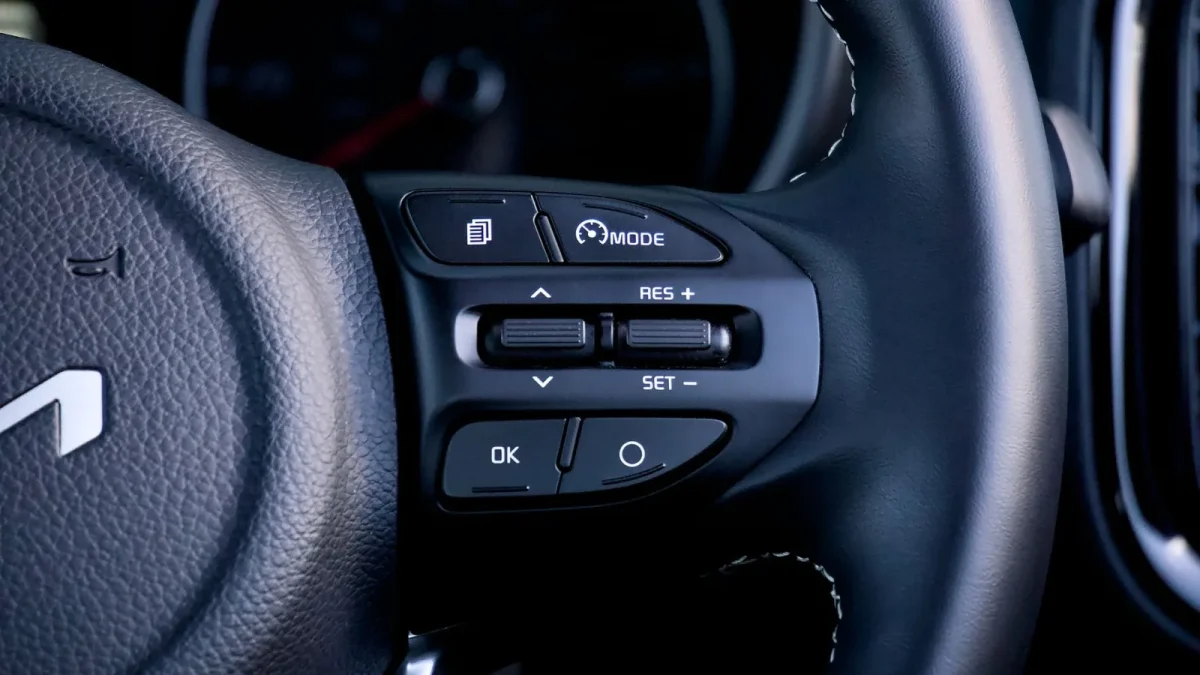
You reach for the cruise button on a long stretch of highway, press set, and nothing happens. No green indicator, no speed lock, maybe a gray icon that just sits there mocking you. When adaptive cruise refuses to engage, it feels like the car quietly broke on you.
Most of the time it did not. In the shop I would say four out of five of these complaints trace back to something simple that a driver can spot in a few minutes.
Let me walk you from the dashboard message straight to the likely cause, in the order I actually check them. Start at the top, because the boring explanations are usually the right ones.
Key takeaways
- A blocked or dirty radar sensor is the single most common reason ACC will not set.
- Being below the minimum engagement speed, often 20 to 25 mph, stops the system cold.
- Heavy rain, fog, or snow can disable it temporarily with a weather-related message.
- A recent windshield swap or bumper repair can knock the sensor out of calibration.
- A true fault with a stored code is real but ranks last, not first.
Start with the dashboard message
The car almost always tells you why, if you read the exact words. The message that flashes when cruise fails is your fastest diagnostic clue, so note it before you do anything else.
A “radar obstructed” or “front sensor blocked” message points straight at the bumper. A “cruise unavailable” with no reason usually means a condition is not met, like speed. A message about a system fault or a warning light means it is time to pull codes.
Good to know
Snap a photo of the message the moment it appears. These warnings often clear themselves within a mile, and if you show up at the counter with the exact wording, a technician can skip straight to the right test.
Cause 1: The radar sensor is blocked
This is the big one. Adaptive cruise leans on a radar unit behind the grille or lower bumper, and if that sensor cannot see, the whole feature shuts down before it will let you set a speed.
The usual offenders are snow, ice, caked mud, road salt film, a plastered-on bug layer, or a stray plastic bag. I once had a driver convinced his ACC module had died. It was a fast-food napkin stuck flat across the sensor by highway wind.
The fix costs nothing. Clean the front of the car, paying special attention to the section of bumper or grille right in front of the sensor. If a message pointed you here, our step-by-step on the radar obstructed message fix walks through exactly where to look and how to clear it.
Cause 2: You are below the minimum speed
Adaptive cruise has a floor. Try to set it too slow and it simply will not engage, no error, no drama, just nothing.
For many older systems that floor sits around 20 to 25 mph. So if you are crawling through town or stuck in slow traffic and jabbing the set button, the car is doing exactly what it should by ignoring you.
Newer full-speed-range systems with traffic jam assist can engage down to a stop, but not every car has that. If yours only works above a certain speed, check the number in the owner’s manual and try again on the open road.
Cause 3: Bad weather is disabling it
Radar handles darkness well, but heavy precipitation scatters the signal and camera-based systems get blinded by fog and glare. When conditions cross a threshold, the car pulls the feature to keep you safe.
You will usually get a message that mentions weather, visibility, or the sensor temporarily. Once the storm eases and the sensor clears, it comes back on its own.
Watch out
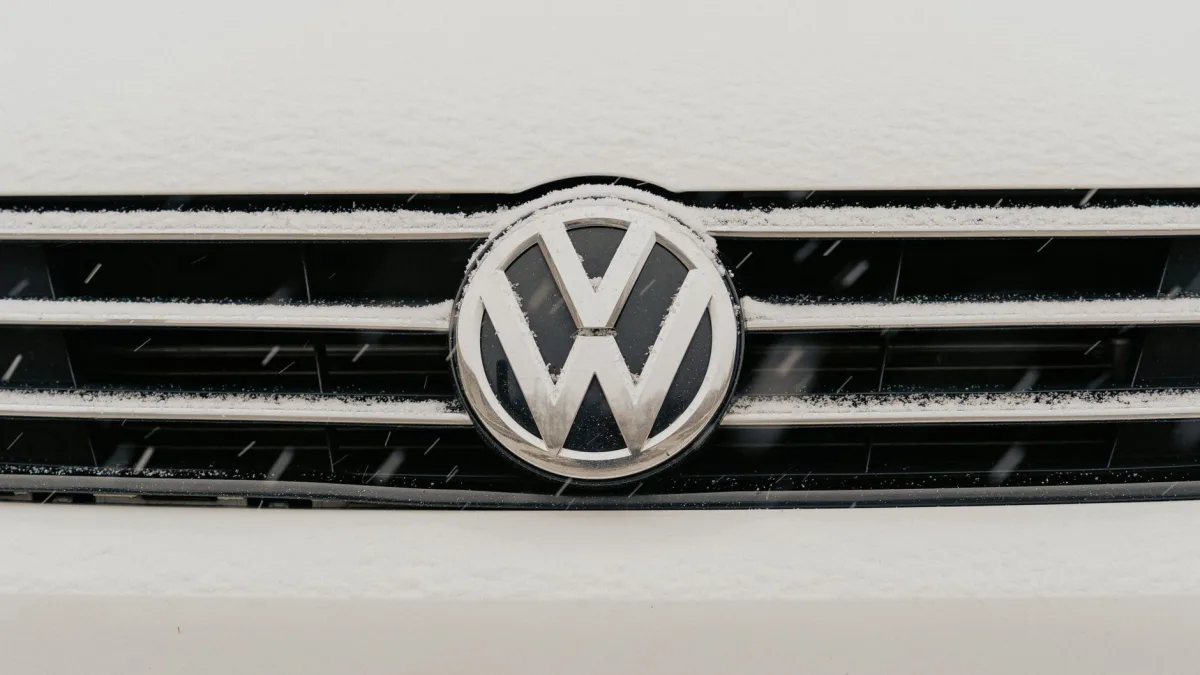
Winter is the number one season for these complaints. A grille packed with snow will kill ACC every time. If yours dies whenever it snows, that is a limitation, not a defect. Our guide on adaptive cruise control in snow and ice covers what you can and cannot fix.
Fog and driving rain deserve their own caution. Reduced range means the system can catch a stopped car late. Read adaptive cruise control in fog and rain for when to leave it off entirely.
Cause 4: It engages but keeps quitting
There is a difference between cruise that will not set at all and cruise that sets fine but drops out a mile later. If yours engages and then bails repeatedly, the problem is usually intermittent sensor blockage or spotty weather rather than a hard fault.
That specific pattern has its own troubleshooting path. Our breakdown of adaptive cruise dropping out while driving ranks the drop-out causes separately, because they are not the same as a total no-set.
Cruise that never sets and cruise that quits mid-drive are two different symptoms. Chase them the same way and you will fix neither.
Cause 5: Calibration was lost after service
Now we get to the mechanical side, and I put it here on purpose. It is real, but it is far less common than a dirty bumper.
Any time the radar or camera is disturbed, the aim can shift, and a mis-aimed sensor either refuses to work or reads distance wrong. Two service events trigger this the most.
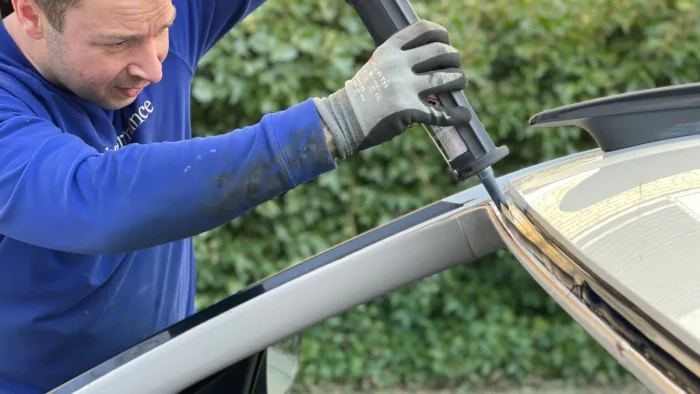
A windshield replacement throws camera-based systems out of alignment, since the camera lives on the glass. If your ACC died right after new glass, that is almost never a coincidence, and adaptive cruise after windshield replacement explains why.
The other trigger is front-end body work. A bumper repair or repaint over the sensor can nudge the radar off aim. Our guide on adaptive cruise after bumper repair or paint covers the recalibration that usually follows.
Cause 6: A genuine fault with a stored code
Only after ruling out the everyday stuff do I reach for the scan tool. If the glass is clean, the paint is fresh, the speed is right, and the weather is clear, yet cruise still refuses, the module may have a fault or a real electrical gremlin.
A technician can pull diagnostic trouble codes in under an hour and tell you whether it is a calibration issue, a wiring fault, or a failed sensor. This is where the guessing stops and the data starts.
Brand-specific quirks worth knowing
Some no-set complaints are peculiar to a brand. Toyota drivers should skim Toyota radar cruise DRCC problems. Hyundai and Kia owners will find their common issues in Hyundai Kia Smart Cruise Control issues, and Nissan drivers whose system flat out will not turn on should read Nissan ProPILOT cruise not engaging.
A quick self-check before the shop
Run this order the next time cruise refuses to set, and you will usually pin the cause fast.
- Read the exact dashboard message and note the wording.
- Clean the front bumper and grille over the sensor, inside grille slats included.
- Confirm your speed is above the minimum engagement threshold.
- Rule out heavy rain, fog, or snow blocking the sensor.
- Think back to any recent windshield or bumper work.
Answer those honestly and most no-set problems explain themselves. For the full picture of how the system reads the road, circle back to our complete adaptive cruise control guide.
When to bring it in
If you have cleaned the sensor, confirmed good speed and clear weather, and cruise still will not engage, that is your cue to have it scanned. Codes and calibration checks are quick, and they turn a mystery into a known fix.
For a neutral overview of how these safety systems are meant to behave, the NHTSA site on vehicle safety is a level-headed resource. In my experience the answer is usually cheaper than drivers fear. More often than not it is a clean bumper and the right speed.
Questions drivers ask
The most common reason is a blocked radar sensor from snow, mud, or road grime on the front bumper. Being below the minimum engagement speed, usually 20 to 25 mph, will also stop it from setting. Clean the sensor and try again above that speed.
It means a condition the system needs is not being met. The usual causes are a blocked sensor, bad weather reducing visibility, or being below the minimum speed. Read the full message wording, since it often names the specific reason.
Yes. The radar sits behind the grille or lower bumper, and mud, salt film, snow, or even a stuck plastic bag over that spot can block it. Cleaning the area directly in front of the sensor clears the problem most of the time.
It can. A windshield swap disturbs camera-based systems and bumper work can shift the radar aim, so both often require recalibration. If cruise died right after service, calibration is the likely cause.
If the sensor is clean, the speed is right, and the weather is clear but cruise still refuses, have it scanned for codes. A technician can check for a fault or lost calibration in under an hour.