Hyundai and Kia share most of their driver-assist hardware under the skin, so when a Palisade owner and a Telluride owner describe the same cruise control hiccup, they are usually looking at the same part. The system is called Smart Cruise Control, SCC for short, and it is one of the better adaptive setups on the road right now. It also throws a few messages that send perfectly healthy cars to the service desk.
I have spent enough time behind the scan tool on these platforms to know which SCC complaints are real and which are the system behaving exactly as engineered. Let me answer the questions I hear most, in the order drivers usually ask them.
Key takeaways
- Hyundai and Kia SCC uses a front radar behind the lower grille or emblem, so a snow-packed or damaged bumper area disables it fast.
- The newer SCC with Machine Learning quietly adapts the following gap to your own driving style, which surprises owners who think it changed on its own.
- Most “Smart Cruise Control disabled” messages clear once the radar is clean or a stored fault from a low battery resets.
- SCC and Highway Driving Assist share sensors, so a fault in one often knocks out the other.
Why does my Hyundai or Kia say Smart Cruise Control is disabled?
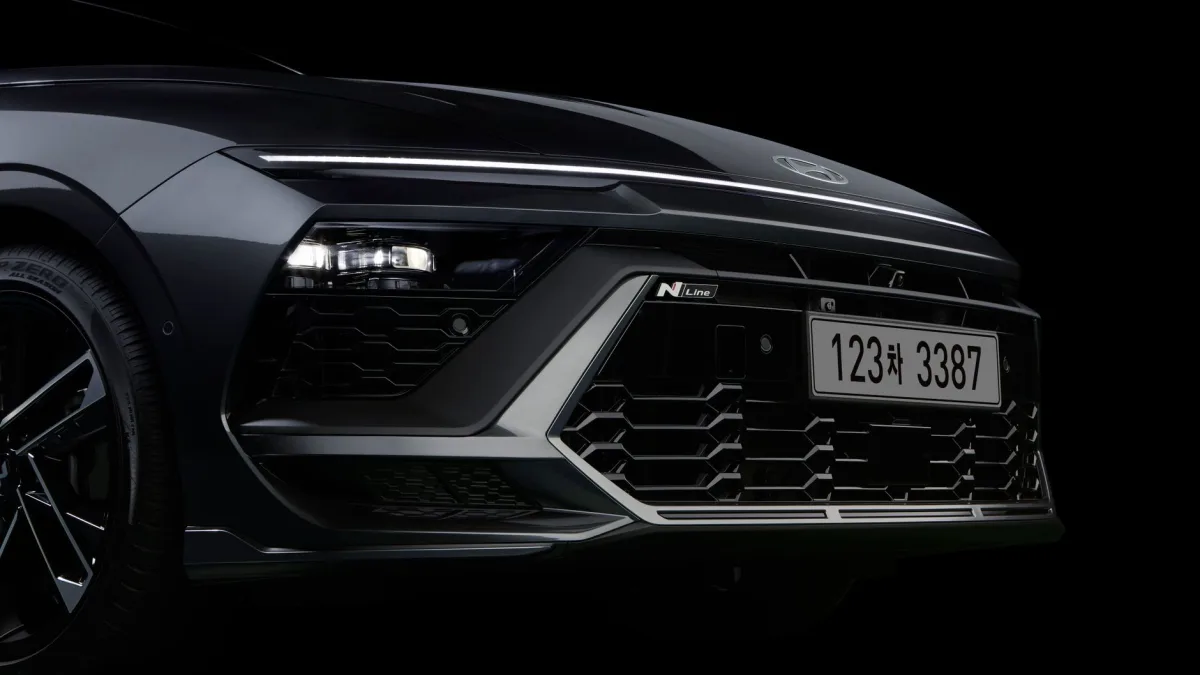
The most common reason is a blocked front radar. On these cars the radar sensor sits low in the grille or behind the badge, right in the firing line for road spray, snow, mud, and love-bug season down south.
When the sensor cannot see, the cluster shows something like “Smart Cruise Control disabled” or “Radar blocked, clean sensor,” and SCC simply will not arm. Clean the lower grille area, drive a few minutes, and it usually wakes back up.
Tip
After a car wash in winter, a thin sheet of ice can form right over the SCC radar. If cruise refuses to set on your first cold drive after washing, check the lower grille for a glaze of ice before assuming anything is wrong.
What is the “Machine Learning” part of newer SCC?
This one confuses a lot of owners. On 2020-onward Hyundai and Kia models with the upgraded system, SCC-ML watches how you drive when you are in control: how close you follow, how hard you accelerate, how you approach slower traffic. Then it mimics your style when it takes over.
The result is a cruise system that feels a little different after a few weeks of ownership, and drivers sometimes swear the car “changed something.” It did, on purpose, to feel more natural to you.
Nothing is broken when SCC starts following the way you do. The car spent a few weeks learning your habits and is politely imitating them.
Good to know
Smart Cruise Control spread across most Hyundai and Kia models from roughly 2015 onward, with the Machine Learning version and Highway Driving Assist arriving around 2019 to 2020 on higher trims. The exact feature set depends heavily on trim level.
Why did SCC and Highway Driving Assist both quit at the same time?
Because they lean on the same sensors. Highway Driving Assist, HDA, uses the SCC radar plus the forward camera and navigation data to help center the car and manage speed on the highway. Knock out the radar and both features go dark together.
So if you see SCC and lane centering fail as a pair, do not assume two separate problems. Chase the shared front radar and camera first. That single sensor cleanup fixes both surprisingly often.
For a broader look at how following gaps are set and why the car sometimes leaves what feels like too much space, our piece on following distance settings explained covers the gear-tooth or bar display these systems use.
Why does SCC cut out in the rain or on curves?
Heavy rain scatters the radar signal and can cause brief dropouts, and a tight curve can swing the car ahead out of the radar’s narrow view for a moment. Both are normal physics, not faults.
You will feel the car briefly lose its lock, sometimes with a chime, then reacquire the vehicle ahead once the road straightens or the rain eases. If you commute in rough weather often, our guide to adaptive cruise in fog and rain explains what to expect and when to just steer yourself.
Watch out
If your Hyundai or Kia was in a front-end collision or had bumper work, the radar bracket can end up slightly misaligned. SCC may still turn on but track poorly, braking late or leaving an odd gap. That calls for a radar recalibration, not just a cleaning.
My SCC will not turn on at all. What do I check first?
Run this quick list before you book a diagnostic. Most no-start SCC cases trace to one of these.
- Wipe the lower grille and emblem where the radar hides, clearing snow, ice, mud, or film
- Confirm your speed is high enough to set SCC on first engagement, typically around 20 mph
- Check for a recent low or dead 12-volt battery that may have stored a temporary fault
- Look for a separate warning light showing the whole ADAS suite was disabled and needs a restart
- Rule out recent bumper, grille, or front-end body work that could have moved the radar
If none of that revives it, the cross-brand causes in adaptive cruise control not working and the specific “radar obstructed” walkthrough in cruise unavailable radar obstructed will take you further into the electrical and calibration side.
How does Hyundai and Kia SCC compare to other brands?
SCC sits firmly in the radar-based camp, which means it shrugs off sun glare that would blank a camera-only system. Its weak spot is the low-mounted sensor collecting road grime and its sensitivity to bumper alignment after any front-end work.
| Trait | Hyundai/Kia SCC | Camera-based rivals |
|---|---|---|
| Sun glare tolerance | Excellent, radar ignores light | Poor, can disable in low sun |
| Main weak point | Grime and ice on low radar | Dirty or glared windshield |
| After body work | Needs radar recalibration | Needs camera recalibration |
For the full picture across every manufacturer, the complete adaptive cruise control guide ties all of this together. If you want an official safety perspective on these systems, the NHTSA site is a reliable government source.
A quick story from the bay
A Kia Sorento came in last February with its owner sure the SCC computer had died. It failed every cold morning and worked fine by noon. The culprit was ice forming over the lower grille radar after his heated garage melted road slush onto the bumper overnight, which refroze on the cold drive to work. A foam block over the exposed radar during the worst of winter, and his phantom failure vanished. The car was never broken. It just could not see through ice, and now you know to check for the same thing first.
Questions drivers ask
The front radar behind the lower grille or emblem is blocked, usually by snow, ice, mud, or road film. Clean the lower grille area and drive a few minutes, and SCC typically re-arms on its own. A recent low battery can also store a temporary fault.
Newer models from around 2020 use SCC with Machine Learning, which studies your following distance and acceleration style, then imitates it. Nothing is broken. The car deliberately adapted to feel more like your own driving.
They share the same front radar and camera. When the radar is blocked or faulted, both features go dark at once. Cleaning or recalibrating that shared sensor usually restores both, so chase the front radar first.
Often yes. Front-end body work can shift the radar bracket, so SCC may turn on but track poorly, braking late or leaving an odd gap. That calls for a radar recalibration rather than a simple cleaning.
Heavy rain scatters the radar signal and sharp curves swing the lead car out of the radar's narrow view. Both cause brief, normal dropouts, often with a chime, and the system reacquires the car ahead once conditions improve.