Subaru took a different road than almost everyone else. While Toyota, Honda, and most of the industry pair a camera with radar, Subaru built its EyeSight system around two cameras and no radar at all. That choice shapes everything about how EyeSight behaves, especially when the weather turns.
I have calibrated a lot of these units, and Subaru owners tend to be the most curious about how their system works, partly because those two little cameras are visible right up on the windshield. They also ask why EyeSight seems to bail out the second a snowflake lands.
Let me walk you through how Subaru EyeSight pre-collision braking actually operates, what its dashboard messages mean, and why its dual-camera design is both clever and a little fragile in bad weather.
Key takeaways
- EyeSight uses two windshield cameras, not radar, to judge distance and closing speed.
- Pre-Collision Braking warns you first, then brakes automatically if you do not react.
- The dual-camera setup is sharp in clear conditions but quick to shut off in snow, fog, and glare.
- An “EyeSight disabled” message is usually a temporary weather or windshield issue, not a fault.
- Windshield replacement on an EyeSight car almost always requires a professional recalibration.
How EyeSight sees the road
Look up at the top of the windshield on a modern Subaru and you will spot two camera housings flanking the mirror. That pair is the heart of EyeSight.
By comparing the slightly different view from each camera, the system builds a sense of depth, much like your own two eyes do. This stereo vision lets it judge how far away a vehicle is and how fast you are closing on it, without any radar.
The upside is strong shape recognition. EyeSight is genuinely good at picking out pedestrians, cyclists, and the outline of a stopped car. The downside is that cameras need light and a clear view, and anything that blinds them blinds the whole system.
EyeSight literally uses two eyes. Cover one, fog them up, or blind them with sun, and it does exactly what you would with a hand over one eye: it stops trusting what it sees.
What Pre-Collision Braking actually does
EyeSight’s braking function follows the same two-stage logic as other systems. It watches the gap ahead, and if a crash looks likely, it acts.
First comes Pre-Collision Warning, a flashing alert and a chime asking you to brake. Then, if you do not respond, Pre-Collision Braking applies the brakes to reduce or avoid the impact. At low speeds in clear conditions it can often stop the car completely.
The system also includes Pre-Collision Throttle Management, which cuts engine power if it thinks you have hit the gas by mistake with an obstacle ahead, the classic pedal-misapplication scenario in a parking lot.
If the warning-then-braking sequence is new to you, our explainer on the difference between AEB and forward collision warning lays out both stages clearly.
The dashboard messages you will see
Subaru uses clear color coding. Green means ready, amber means limited or off, and a flashing red alert means brake now.
Green EyeSight icon
When you start the car and EyeSight is ready, its indicators glow green. This is the normal all-systems-go state.
Amber “EyeSight disabled” or flashing symbols
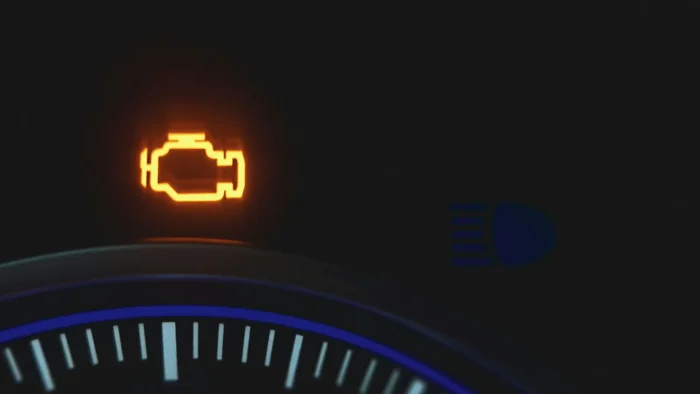
This is the message I hear about most. Amber EyeSight indicators, sometimes with a “EyeSight is disabled, conditions may not be optimal” note, mean the cameras cannot see well enough to operate safely.
Good to know
Because EyeSight has no radar to fall back on, it disables itself more readily than fused camera-and-radar systems. Where a Toyota might soldier on in light fog, EyeSight often steps out. That is a design tradeoff, not a defect.
Flashing red collision alert
A flashing red image with an urgent chime is the active collision warning. Brake immediately. If you do not, Pre-Collision Braking will engage.
Why EyeSight quits in bad weather
This is the number one EyeSight complaint, and it comes straight from the dual-camera design. Anything that clouds the cameras’ view shuts the system down.
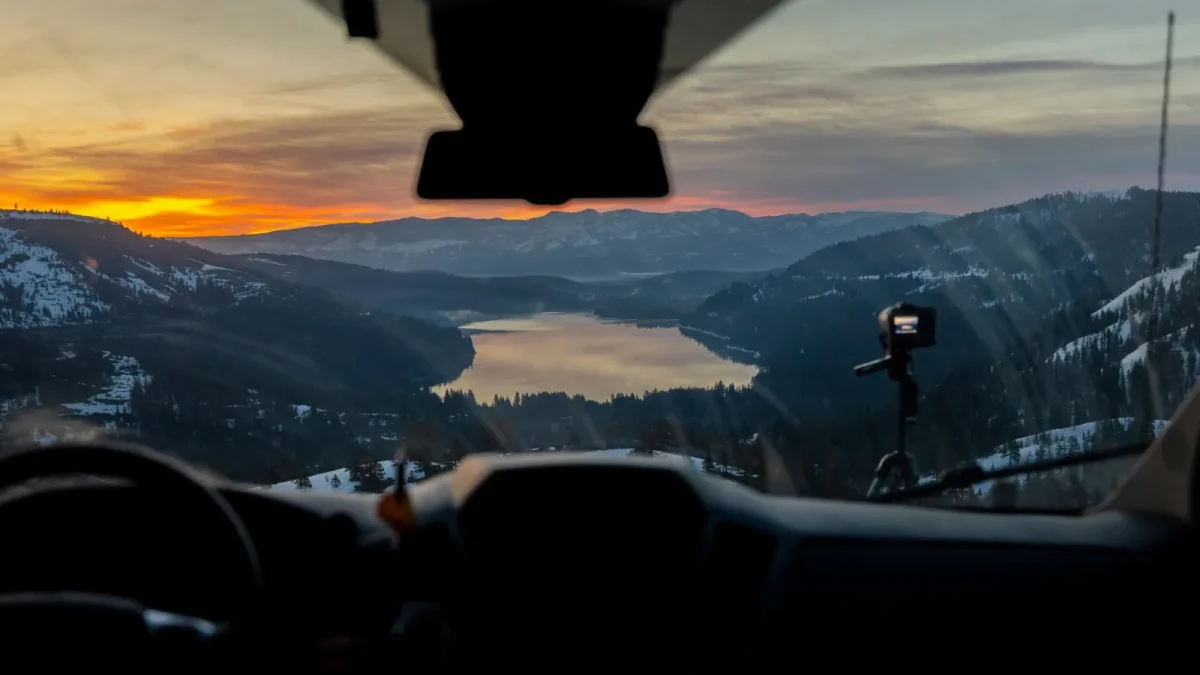
Heavy rain, dense fog, snow on the windshield, and low-angle winter sun straight into the lenses all trigger the disabled message. Because both cameras sit behind the glass, a windshield that is dirty, cracked in their field of view, or fogged on the inside will do it too.
Watch out
EyeSight relies entirely on vision, so in a whiteout snowstorm it may provide no braking backup at all. Do not lean on it in exactly the conditions where you are most likely to need it. Drive as if it is off, because it may be.
Cold-climate owners see this constantly. Our guide on why AEB stops working in winter weather covers keeping the glass clear and why camera-only systems like EyeSight are the most weather-sensitive of the bunch.
The windshield calibration catch
Here is the one thing every EyeSight owner needs to know. Because both cameras are bonded to the windshield’s view, replacing that windshield throws off the system’s aim.
After any windshield replacement, EyeSight requires a professional recalibration so the two cameras agree on where straight ahead is. Skip it, and the depth perception is off, which can cause false braking or missed threats.
Tip
If you ever need a Subaru windshield replaced, use a shop that specifically offers EyeSight recalibration, or plan a follow-up calibration at the dealer. A generic glass swap without recalibration is one of the most common reasons EyeSight starts misbehaving.
Calibration is not free, and the exact figure varies by shop and model. Our breakdown of the cost to fix automatic emergency braking gives real ranges for recalibration and camera work.
When EyeSight brakes and you did not expect it
Camera-only systems can occasionally misjudge a scene, and EyeSight is no exception. Steam from a vent, a car cutting across a tight turn, or heavy shadow-and-light patterns under trees can rarely trigger an unexpected brake.
It is not common, but if it repeats, our guide to why your car brakes for no reason covers the real triggers and when a calibration check is warranted.
Adjusting or turning EyeSight off
Subaru lets you tweak the warning timing and switch functions off when needed, such as during towing or on rough trails where false triggers annoy.
- Use the EyeSight controls, often a button near the steering wheel or in the settings menu.
- Adjust Pre-Collision Braking sensitivity or warning distance where offered.
- Remember many functions reset to on at each restart by design.
- Keep the windshield clean in front of both camera housings.
For the full method across brands, see our walkthrough on how to turn off automatic emergency braking.
Where EyeSight fits in the bigger picture
EyeSight is a well-earned reputation for safety, and independent testing backs it up. The IIHS has repeatedly rated Subaru’s front-crash-prevention performance highly, and the stereo cameras are excellent at spotting people.
Just respect its one real weakness: without radar, it is the most weather-shy system on the road. To see how it compares with the radar-fused approaches from other brands, circle back to our hub on automatic emergency braking explained, which lines up every major system side by side.
Keep the windshield spotless, recalibrate after any glass work, and never trust EyeSight to save you in a whiteout. Do those three things, and Subaru’s two-eyed watchman does its job beautifully on every clear-weather mile you drive.
Questions drivers ask
EyeSight uses only cameras, so anything that clouds their view shuts it off. Heavy rain, fog, snow on the windshield, low winter sun, or a dirty or fogged windshield all trigger the disabled message. It usually re-enables once the cameras can see clearly again.
No. Subaru EyeSight relies on two windshield-mounted cameras that work together like a pair of eyes to judge distance and closing speed. This gives it strong shape recognition but makes it more sensitive to weather than radar-fused systems.
Almost always, yes. Because both cameras are aimed through the windshield, replacing the glass throws off their alignment. A professional recalibration is required so the cameras agree on distance, or the system may brake falsely or miss threats.
At low speeds in clear conditions, Pre-Collision Braking can often stop the car fully. At higher speeds it usually reduces impact speed rather than avoiding the crash. It also cuts throttle if it senses accidental acceleration toward an obstacle.
No. In heavy snow or a whiteout the cameras cannot see, so EyeSight may provide no braking backup at all. Drive as if the system is off in those conditions, because it very likely is.