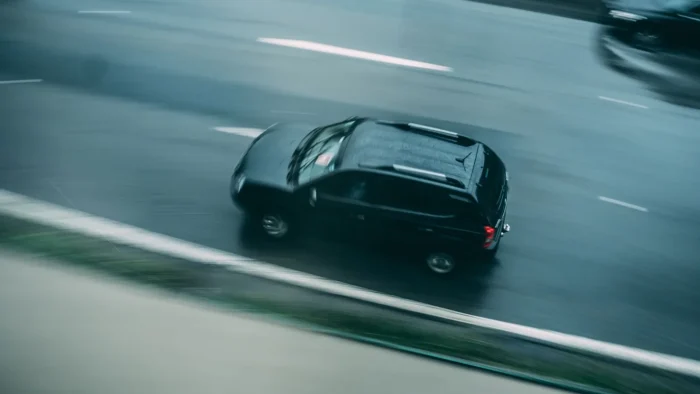

Few things rattle a driver like the car deciding to brake all by itself on an empty road. No traffic ahead, no obstacle, just a sudden lurch and a stab of the brakes that throws you forward against the belt. Drivers call it phantom braking, and I have chased down the cause of it more times than I can count.
Here is the reassuring part. In most cases the car is not broken. It is reacting to something it genuinely thinks is a threat, even though your eyes see nothing there.
Let me explain what the sensors are misreading, which triggers show up most often, and when a phantom brake is worth a trip to the shop.
Key takeaways
- Phantom braking happens when the camera or radar misidentifies a harmless object as a collision risk.
- The usual triggers are overpasses, hill crests, metal signs on curves, shadows, and cars cutting across on bends.
- A dirty sensor, a bad calibration, or an aftermarket accessory over the radar can make it far worse.
- Occasional false braking is a known limit of the technology. Frequent or violent events deserve a professional scan.
Why the car brakes at a ghost
Your AEB system does not actually see the world the way you do. Radar reads distance and closing speed off reflections, and the camera reads shapes and patterns. Neither has human judgment.
So when radar catches a strong reflection from a metal overpass ahead, or the camera reads a dark shadow as a solid object, the system can conclude you are about to hit something. It reacts the only way it knows how, by braking.
This is the flip side of the same technology that saves lives. A system tuned to react fast will occasionally react to the wrong thing. To see how the warning and the braking are supposed to work together, our hub on automatic emergency braking explained lays out the normal sequence.

The most common triggers
After years of test drives and customer complaints, the same short list of culprits comes up again and again. Recognizing them helps you predict where your car might act up.
Overpasses and gantries
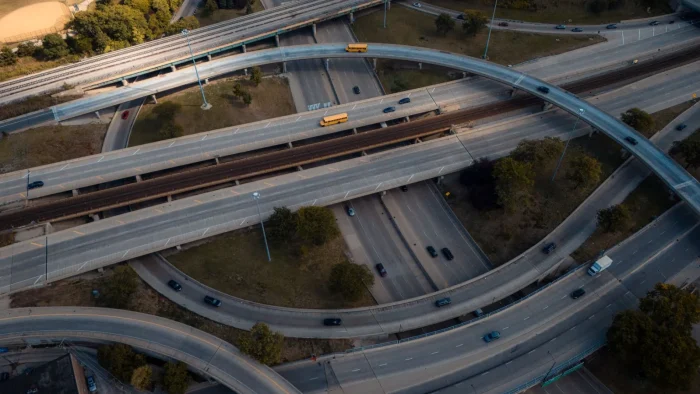
This is the classic. As you approach a bridge or an overhead sign gantry on a slight downhill, the radar can read the metal structure as a stopped object in your path. Older radar-only systems were notorious for this.
Cresting a hill
At the top of a rise, your sensors briefly aim upward and then snap back to the road. In that moment a sign, a tree, or the horizon line can register as an obstacle right in front of you.
Metal signs on curves
On a curving road, a reflective sign sits dead ahead of the sensor for a second even though the road bends away. The system does not always know the road is turning.
Cars cutting across on bends
A vehicle in the next lane on a curve can line up directly in your sensor’s path, reading as a car stopped in your lane. The system brakes for a car you will never actually reach.
Good to know
Camera and radar fusion has cut phantom braking down dramatically compared with the early single-sensor systems from around 2015. If your car is newer and still does it often, that points to a fixable problem rather than a design limit.
What makes it worse
Environmental triggers you cannot control, but a handful of avoidable issues turn an occasional twitch into a regular scare.
- A dirty or fogged camera behind the windshield, or a mud-caked radar behind the grille.
- A front-end that was repaired without recalibrating the sensors afterward.
- An aftermarket bumper, a thick license plate frame, or a badge stuck over the radar face.
- A slightly misaimed sensor from a minor parking bump that never got checked.
That last one bites people. A low-speed tap that leaves no visible damage can knock a radar off aim just enough to make it misread the road. If your car started braking oddly after a fender-bender, that is your first suspect.
Watch out
A phantom brake on a busy highway is genuinely dangerous with a tailgater behind you. If yours does this at speed, do not just live with it. Get the sensors scanned and calibrated before it causes a rear-end collision that is technically your fault.
Is it phantom braking or a real fault?
There is an important line between a false alarm and a warning light. Phantom braking usually happens with no warning symbol lit at all, because the car thinks it is doing the right thing.
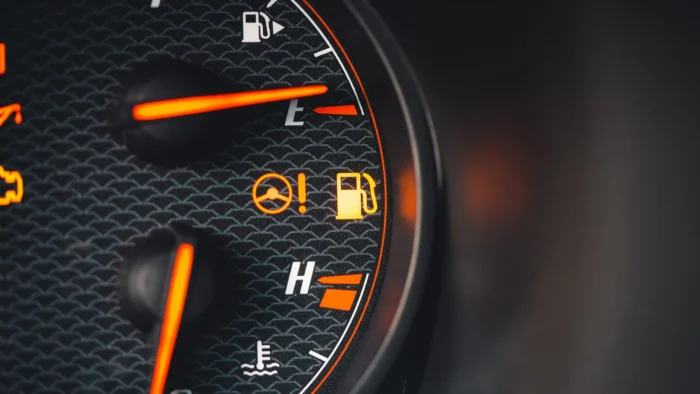
If instead you see an amber AEB or forward collision symbol on the dash, the system is telling you it is blocked or faulted, which is a different problem. Our guide on why automatic emergency braking turned itself off covers that scenario, and understanding what the forward collision warning light means helps you tell the two apart at a glance.
A phantom brake is the car being wrong with confidence. A warning light is the car admitting it cannot help.
What you can actually do
Some of this is in your hands, and some needs a shop. Start with the free steps.
| Step | Cost | Fixes |
|---|---|---|
| Clean camera and radar faces | Free | Dirt-related false braking |
| Remove badges or frames over sensors | Free | Blocked radar signal |
| Sensor recalibration | $150 to $400 | Misaim after repair or bump |
| Reduce alert sensitivity in menu | Free | An overly jumpy system |
Many cars let you dial the collision sensitivity down a notch in the settings, which can quiet a system that overreacts. On winter roads the problem changes character entirely, and our piece on why AEB struggles in winter weather explains how snow and slush create their own false readings.
When to stop tolerating it
An isolated phantom brake once every few months on the same overpass is annoying but normal. What is not normal is frequent, hard, unpredictable braking.
If yours brakes hard more than a couple of times a month, or does it violently, book a diagnostic. A technician can pull the fault history, check sensor aim, and recalibrate. That visit often costs less than you fear and ends the scares for good.
For a wider look at how these systems are evaluated and where their limits sit, the IIHS overview of advanced driver assistance and Consumer Reports on car safety both track real-world behavior across brands.
Phantom braking feels like the car turning against you, but it is really the car trying too hard to protect you. Learn its triggers, keep the sensors clean and aimed, and it fades from a recurring fright to a rare quirk you can see coming.
Questions drivers ask
It happens when the radar or camera misreads a harmless object as a collision risk. Common triggers include overpasses, hill crests, reflective signs on curves, shadows, and cars cutting across on bends. The car brakes because it genuinely believes a crash is coming.
It can be, especially at highway speed with a vehicle following close behind. An unexpected hard stop raises the risk of being rear-ended. Occasional light events are a known limit of the technology, but frequent or violent braking should be checked promptly.
Start by cleaning the camera and radar sensors and removing any badge or plate frame covering the radar. Many cars also let you lower the collision sensitivity in the settings menu. If it continues, a sensor recalibration by a technician usually resolves it.
Even a minor bump can knock a radar or camera slightly out of aim, causing it to misread the road. If false braking began after a fender-bender or front-end repair, an uncalibrated sensor is the likely cause and should be recalibrated.
If the vehicle is within its factory warranty and the braking traces to a sensor or software fault, the diagnosis and repair are typically covered. Document when and where it happens, since a clear pattern helps the technician confirm the cause.