It happens in a heartbeat. Open highway, no traffic in front of you, and your car stabs the brakes hard enough to snap your head forward and light up the driver behind you. You look around for the cause and there is nothing there. That is phantom braking, and it is one of the most unsettling things adaptive cruise can do.
The good news is that most of it is explainable, and a fair amount of it is the system working exactly as designed, just at the wrong moment. The rest points to a sensor that needs attention.
Let me sort the design behavior from the actual faults, because knowing which one you are dealing with tells you whether to change your habits or book a service appointment.
Key takeaways
- Phantom braking is unexpected hard braking when nothing is actually in your path.
- Overpasses, parked cars on curves, cresting hills, and dark shadows are the usual triggers.
- A lot of it is designed caution, the radar erring toward safety when it misreads a target.
- Frequent, repeatable phantom braking on clear road can signal a misaimed or dirty sensor.
- Longer following gaps and manual takeover in trigger zones cut down the surprises.
What phantom braking actually is
Phantom braking is when your adaptive cruise applies the brakes, sometimes gently, sometimes hard, in response to a threat that is not really there. The radar or camera believes a car or obstacle has appeared in your lane, and the system does what it is built to do: it slows you down.
The word phantom is the key. From the car’s point of view, the target is real. It genuinely detected something. The problem is that the something was an overpass, a sign, a parked car, or a patch of shadow, not a vehicle you needed to brake for.
Understanding that reframes the whole thing. Your car is not glitching randomly. It is reacting, correctly, to bad information.
The common triggers I see
Overpasses and overhead signs
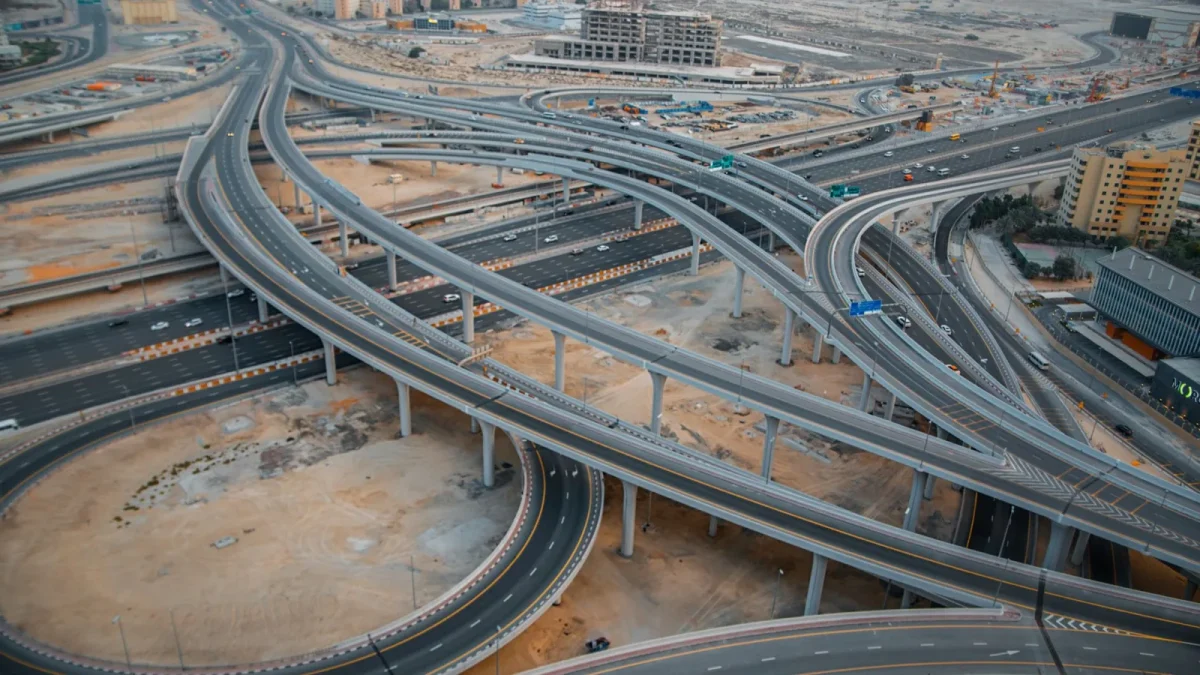
This is the classic. As you approach a low overpass or a big gantry sign, the radar can pick up that overhead metal and, for a fraction of a second, read it as a stationary object in your lane. Some cars brake for it before the software rules it out.
You will usually notice it at the same spots on your regular commute, because the geometry of that particular overpass fools the radar every time you approach at speed.
Parked cars on the outside of a curve
On a right-hand bend, the radar aims straight ahead while the road curves away. A car parked on the shoulder or a vehicle stopped in a turn lane can end up sitting right in that straight-ahead cone, and the system brakes for a car you were never going to hit.
Cresting hills and dips
Coming over a rise, the radar can briefly catch the road surface itself, a guardrail, or a car far below and misjudge it as a close obstacle. This overlaps with the surging and braking you get from terrain in general, which we cover in our guide to adaptive cruise on hills and curves.
Shadows, tar strips, and low sun
On camera-assisted systems, a hard shadow line across the road, a dark tar seam, or blinding low sun can read like an object or a stopped car. This is more common on camera-heavy setups like Subaru EyeSight.

Good to know
Adaptive cruise is deliberately tuned to err toward braking. Engineers would rather the system slow you for a false target than fail to slow you for a real one. A lot of what feels like a malfunction is actually that safety bias doing its job at an awkward moment.
Design behavior versus a real fault
Here is the line I draw for customers. Occasional, mild phantom braking at predictable spots, an overpass here, a curve there, is normal behavior for the technology. Every radar system does some of it.
What is not normal is frequent, hard braking on open, flat, clear road with no overpass, no curve, and no parked car anywhere near you. When the car repeatedly slams the brakes for genuinely empty highway, that is when I start suspecting a real problem.
A little caution at an overpass is the system being careful. A hard stab on empty, flat road for nothing at all is the system being wrong. Those are two different conversations.
Watch out
Repeated hard phantom braking is a genuine safety concern because of the driver behind you. If your car is braking violently for nothing on a regular basis, stop relying on adaptive cruise until it is diagnosed, and report the pattern. Rear-end risk from a surprise stop is real.
What causes the genuine faults
When phantom braking crosses from occasional quirk into a repeatable problem, the usual culprits are physical.
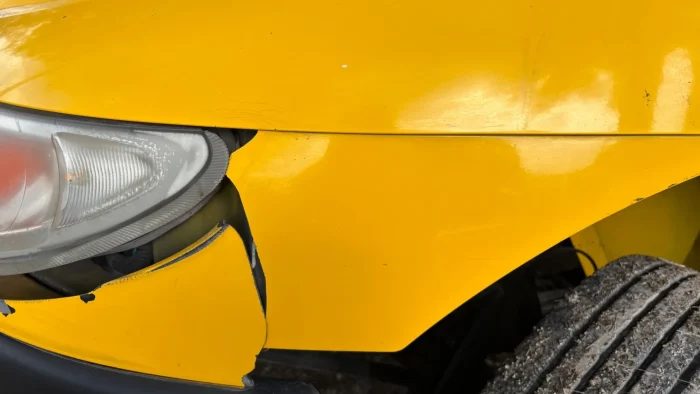
- A radar sensor knocked slightly out of alignment, often after a minor front-end bump or curb strike.
- A dirty, iced, or filmed-over sensor face feeding the system noisy data.
- A radar left misaimed after bumper work, paint, or a fascia replacement.
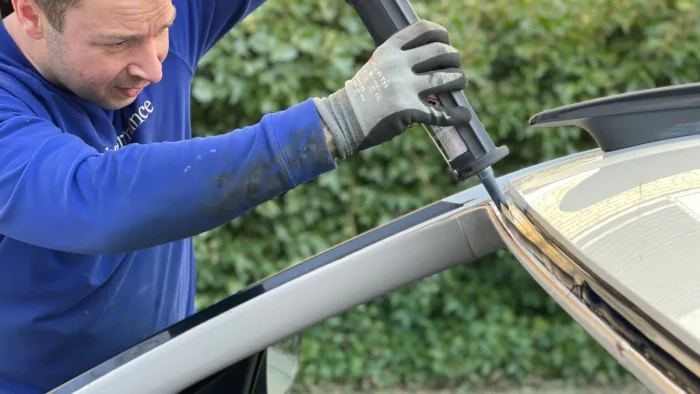
- A windshield camera left uncalibrated after glass replacement.
- Software that is due for a manufacturer update addressing known false triggers.
Bumper and paint work is a big one people overlook. A radar hidden behind the front fascia has to sit at a precise angle, and body shops do not always recalibrate it. If your phantom braking started after a repair, read our guide to adaptive cruise after bumper repair or paint. The same logic applies to glass: our piece on adaptive cruise after windshield replacement covers the camera side.
How to reduce phantom braking day to day
You cannot eliminate it entirely on any car, but you can take most of the sting out of it.
Tip
Learn your trigger spots. If a particular overpass or curve on your commute always causes a phantom brake, cover the accelerator as you approach so you can override the moment it starts. Two or three drives and you will know exactly where they hide.
Beyond that, keep the radar and camera clean, run a longer following gap so any braking event is gentler, and take manual control through known trouble zones. Keeping the sensor faces clear matters more than people think, which ties into the broader issue of the system going quiet, covered in our guide to the cruise unavailable radar obstructed message.
When to get it checked
Book a diagnosis if the braking is frequent, hard, happens on clearly empty road, or started right after body or glass work. A shop can scan the module, verify radar aim, and recalibrate if needed. This overlaps with general reliability issues covered in our guide to adaptive cruise not working.
For the full picture of how your system is supposed to behave, the complete adaptive cruise control guide is the place to start. And if you ever feel a phantom braking pattern is a genuine safety defect, you can file it with the safety regulators at NHTSA so it lands on the record.
Know your trigger spots, keep the sensors clean, and stop worrying about the occasional cautious tap. Save your concern for the hard, repeatable stops on empty road, because those are the ones worth chasing down.
Questions drivers ask
Phantom braking is when your car brakes on its own for something that is not actually in your path. The radar or camera reads an overpass, sign, parked car, or shadow as an obstacle and slows you down. From the car's view the target is real, but there was nothing to brake for.
Occasional mild braking at predictable spots is normal and low risk. Frequent hard braking on open road is a genuine concern because of rear-end risk from the driver behind you. If your car stabs the brakes violently for nothing on a regular basis, stop relying on the system until it is diagnosed.
The radar briefly reads the overhead metal of that overpass or gantry sign as a stationary object in your lane. The geometry fools it at that specific spot and speed. Cover the accelerator as you approach so you can override the moment it starts.
Yes. A radar behind the front fascia must sit at a precise angle, and body shops do not always recalibrate it after bumper repair or paint. A windshield camera left uncalibrated after glass replacement does the same. If phantom braking started right after a repair, that is the first thing to check.
You cannot eliminate it on any car, but you can reduce it. Keep the radar and camera clean, run a longer following gap so any braking is gentler, and take manual control through known trigger zones like overpasses and tight curves. Frequent hard events on clear road should be diagnosed.