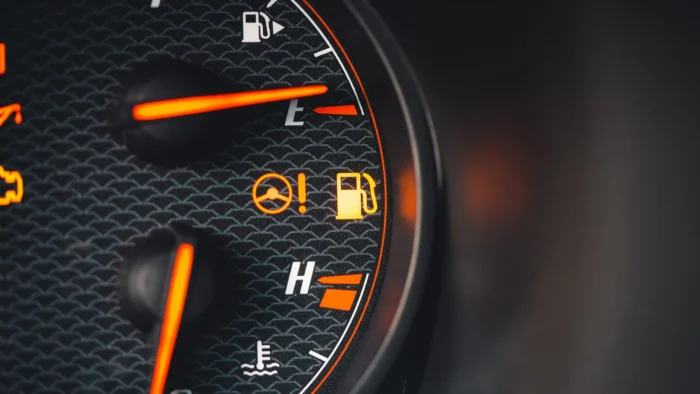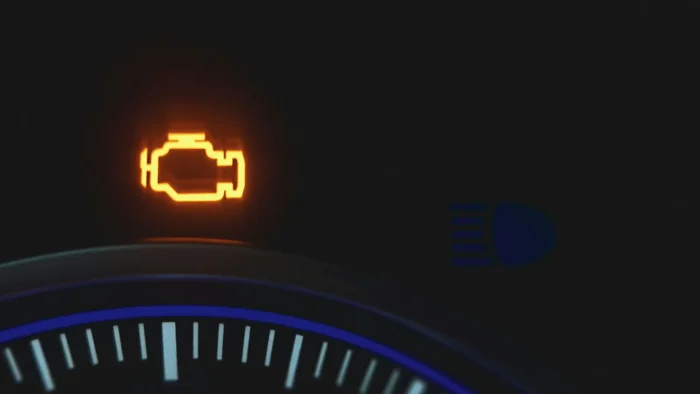
Here is a call I get almost every week. “Darren, I just paid for a new windshield, and now my dash is lit up like a Christmas tree. The pre-collision light is on and the car keeps beeping. Did the glass shop break something?”
Short answer: probably not broken, just blind. When AEB and pre-collision faults appear right after a glass swap, the cause is almost always the same, and it is fixable. Let me walk you through the questions drivers actually ask me.
Key takeaways
- Your forward-facing camera lives behind the windshield, so replacing the glass moves the camera’s aim.
- An off-aim camera triggers AEB, pre-collision, and lane-assist warnings until it is recalibrated.
- Recalibration is a required step, not an upsell, and often costs $150 to $400 on top of the glass.
- Do not ignore the warning. An uncalibrated camera can brake at the wrong moment or miss a real hazard.
Why does a new windshield trigger an AEB warning?
On most vehicles from about 2018 onward, the camera that watches the road for your collision braking after windshield replacement sits in a bracket bonded to the glass, right up behind the rearview mirror. That camera is the eyes of your pre-collision system.
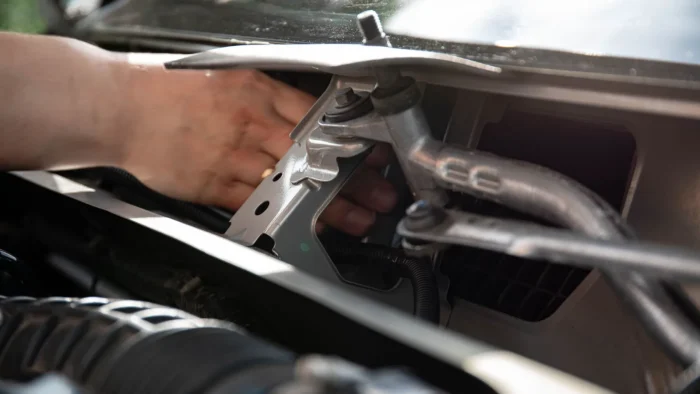
When the old glass comes off and new glass goes on, the camera gets unmounted and remounted. Even a millimeter of difference in angle throws off where the car thinks the road is. The computer notices the mismatch and throws a warning to protect you.
Good to know
Radar behind the front emblem handles distance, but the camera handles object recognition and lane position. A windshield swap only disturbs the camera, which is why lane-keeping and pre-collision lights tend to appear together after the job.
Is the glass shop at fault?
Usually not. A good shop knows the camera needs recalibration and either does it in house or sends you to a partner who does. The problem shows up when a budget installer skips that step to keep the price low.
If you were never told about calibration, that is the gap. The glass itself can be perfect while the camera still points slightly wrong. This is not the same as a random false alarm on the road, which our article on why your car brakes for no reason covers in detail.
New glass without calibration is like new glasses with the wrong prescription. You can see, but everything is a little off, and your car makes decisions on that blur.
What is camera recalibration, exactly?
Calibration re-teaches the camera where straight ahead is. There are two main methods, and your car may need one or both.
Static calibration
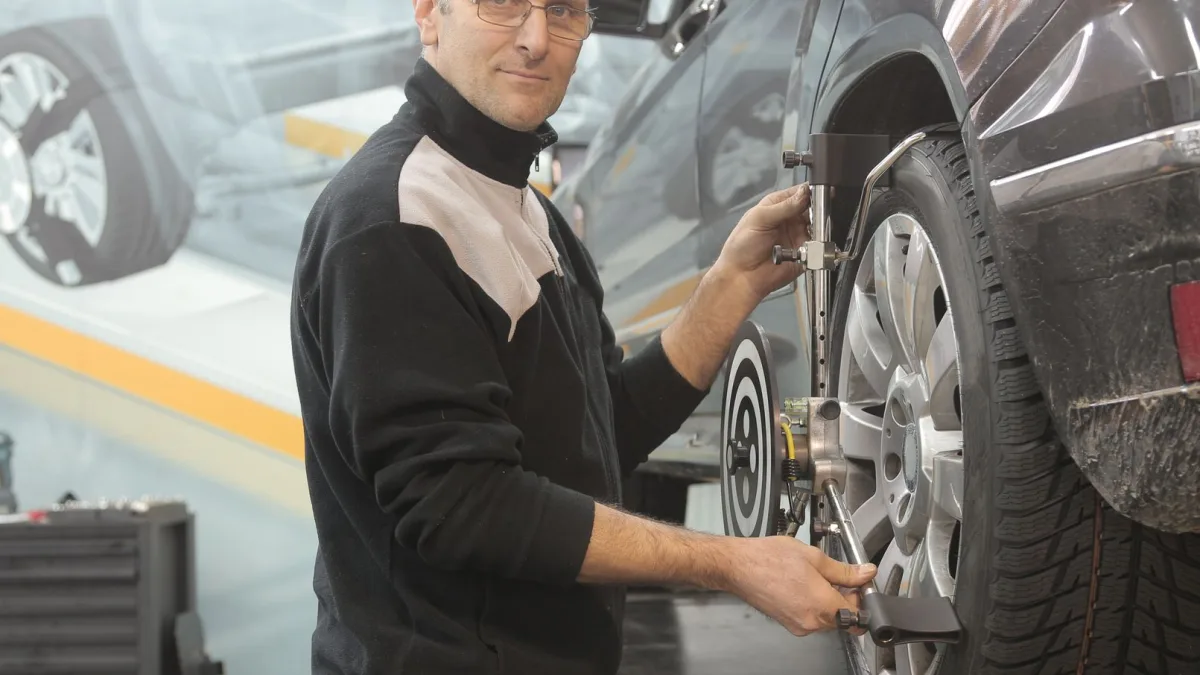
Static calibration happens in the shop with the car parked. A technician sets up a printed target board at a precise distance and height in front of the car, then runs a routine with a scan tool. The car studies the target and re-centers its aim.
Dynamic calibration
Dynamic calibration happens on the road. The tech drives the car at a set speed on well-marked lanes while the scan tool watches the camera relearn using real lane lines and traffic. Some brands, like certain Subaru EyeSight and Honda systems, require this drive to finish the job.
Tip
Ask your glass shop up front, before the job, “Does this include ADAS camera recalibration?” If they hesitate or say the car does not need it, call a dealer or an ADAS specialty shop instead. Get the calibration in writing on the invoice.
What happens if I just ignore the light?
Do not. An uncalibrated camera does not simply do nothing. It can misjudge distance and either brake when it should not or, far worse, fail to brake when a real hazard appears.
I have scanned cars where the owner drove for months with the light on, assuming it was a glitch. In every case the pre-collision system was degraded and lane-keeping was fighting the driver. Your safety systems are only as honest as the camera feeding them.
Watch out
Some cars keep the warning light on and fully disable AEB after a swap. Others stay quiet but run the system with bad data. Silence is not proof of health. If your glass was replaced, confirm calibration was done even if no light appeared.
How much does the recalibration cost?
Calibration is a separate line item from the glass. Here is a rough range from what I see in shops and dealers.
| Service | Typical cost | Notes |
|---|---|---|
| Static calibration | $150 to $300 | In-shop with target boards |
| Dynamic calibration | $150 to $300 | On-road relearn drive |
| Dealer combined job | $250 to $600 | Some cars need both methods |
Insurance often covers calibration when it covered the glass, so ask. For the wider picture of what these systems cost to service, our guide to the cost to fix automatic emergency braking lays out the parts and labor.
Which brands need this most?
Practically all camera-based systems do, but a few are especially strict. Subaru EyeSight uses a stereo camera pair behind the glass and is very sensitive to alignment, so read our Subaru EyeSight pre-collision braking guide if that is your car.
Toyota and Honda are similar. If you drive a Toyota, our Toyota Pre-Collision System warning guide explains the specific icons you may see, and Honda owners can check the Honda CMBS collision braking explainer for how that system reacts to a miscalibrated camera.
What should I do right now?
If the light is on today, book a recalibration with a dealer or an ADAS shop. Bring the glass invoice so they know the history. The fix is usually a one-visit, one to two hour job once the appointment is set.
Going forward, treat calibration as part of the windshield price, not an extra. For the full context on how emergency braking fits with the rest of your driver aids, start with our overview of automatic emergency braking explained. If you want an independent reference on how these camera systems are supposed to work, the IIHS driver assistance resource is a solid, unbiased read.
A windshield warning light is annoying, but it is honest. The car is telling you its eyes moved and it needs a moment to refocus. Give it that recalibration and the lights go dark, the way they should.
Questions drivers ask
The forward-facing camera is mounted to the windshield behind the mirror. Removing and reinstalling the glass changes the camera's aim, so the car flags a fault until the camera is recalibrated to point straight again.
Usually no. Camera recalibration requires a scan tool plus either precise target boards or a controlled road drive. Most owners cannot do this at home, so a dealer or ADAS specialty shop is the reliable fix.
Once you have an appointment, most calibrations take one to two hours. Static work happens in the bay with target boards, and dynamic work needs a short structured drive on well-marked roads.
Often yes, if it covered the windshield itself. Calibration is a required step for safe operation, so ask your insurer to include it and get the calibration listed on the invoice.
Drive cautiously and do not rely on the system. An uncalibrated camera can brake at the wrong time or miss a real hazard, so treat the car as if it has no emergency braking until calibration is done.