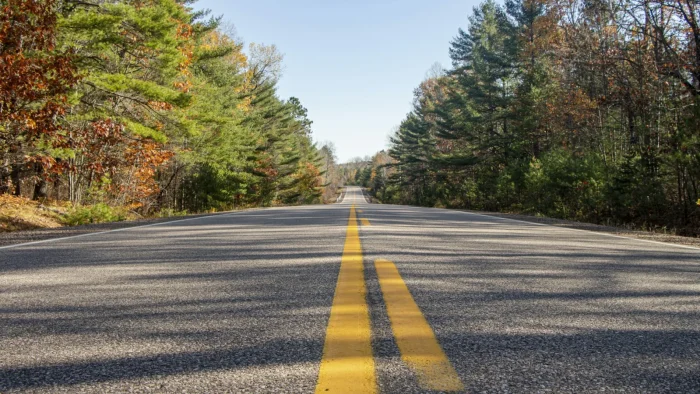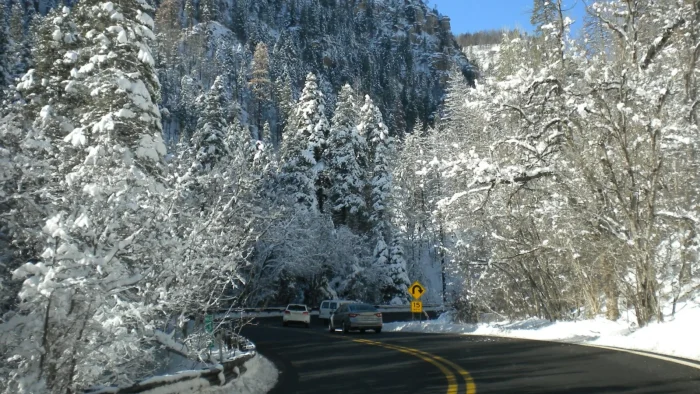
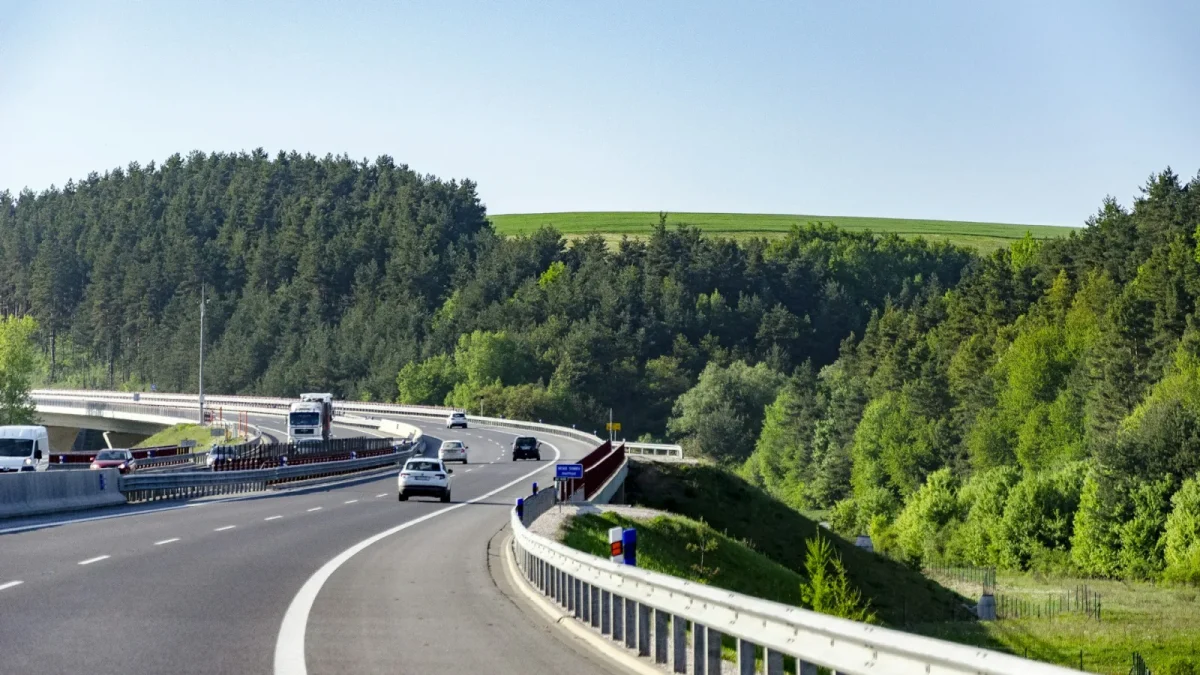
Three drivers, three brands, one stretch of interstate outside town where I like to road-test cars after ADAS work. A Ford, a Subaru, and a Tesla will each hold that lane, but they do it with completely different personalities. One glides, one tugs, one basically drives the whole segment for you.
Customers ask me all the time which brand does lane centering “best.” The honest answer is that best depends on how you drive and what you expect the car to do. So let me put the three side by side the way I actually experience them from the driver’s seat.
I have logged real miles in all three families, on the same roads, in the same weather. Here is how Ford Co-Pilot360, Subaru EyeSight, and Tesla Autopilot compare when the paint gets curvy and the sun gets low.
Key takeaways
- Tesla Autopilot centers most aggressively and confidently, handling curves other systems hand back to you.
- Ford Co-Pilot360 Lane Centering feels smooth and natural, a gentle assist rather than a chauffeur.
- Subaru EyeSight uses stereo cameras and tends to be cautious, dropping out early on faint paint or tight bends.
- All three still demand hands on the wheel and an attentive driver, no exceptions.
- The “right” one depends on whether you want a firm hand or a light touch.
How each system actually sees the road
The hardware differences shape everything you feel through the wheel. Get the sensing approach and the rest of the behavior starts to make sense.
Subaru EyeSight: two eyes, cautious brain
Subaru is the odd one out. EyeSight uses a pair of stereo cameras mounted on either side of the rearview mirror, which gives it depth perception a single camera lacks. That helps with judging distance to the car ahead, but the lane centering itself leans conservative.
On my test loop, EyeSight is the first to say “you take it” when paint gets faint or a curve tightens. It is not weak. It is cautious by design, and Subaru would rather hand back early than overreach.
Ford Co-Pilot360: single camera, smooth manners
Ford’s Lane Centering, part of the Co-Pilot360 suite and its BlueCruise hands-free tier on equipped models, reads the road through a windshield camera and radar. The feel is the word I keep coming back to: smooth.
Ford tunes its corrections to arrive gently. You feel a light, progressive pressure rather than a sudden yank. For drivers who dislike a nannying wheel, that manner wins a lot of fans.
Tesla Autopilot: single stack, high confidence
Tesla runs a camera-heavy vision system and centers with more authority than either rival. On the same curves where EyeSight bows out, Autopilot stays engaged and tracks through. It feels like the car genuinely wants to hold the lane for you.
That confidence is a double-edged sword, which I will get to. First, the summary you came for.
The side-by-side comparison
Here is the shorthand I give customers who want the quick read before a test drive.
| Trait | Ford Co-Pilot360 | Subaru EyeSight |
|---|---|---|
| Sensing | Single camera plus radar | Stereo dual camera |
| Personality | Smooth, gentle assist | Cautious, hands back early |
| Curve handling | Good on highway sweeps | Conservative, exits sooner |
| Best for | Drivers wanting a light touch | Drivers wanting predictability |
Tesla sits above both in raw capability. Autopilot centers hardest, holds tighter curves, and on Full Self-Driving-equipped cars will attempt lane changes and turns. For pure lane-holding strength on the highway, it leads this group.
Good to know
Capability and safety are not the same thing. A more aggressive system that lulls you into inattention can be riskier than a modest one that keeps you engaged. Independent testing from Consumer Reports has repeatedly flagged driver monitoring, not steering strength, as the trait that matters most.
On the curves: where the personalities split
Straight highway is boring. Every one of these systems nails a flat, well-painted interstate. The differences jump out the moment the road bends.
Take a long, moderate freeway curve at 65 mph. Tesla flows through it without drama. Ford follows the sweep with a soft, steady input that feels like a competent passenger helping. Subaru tracks it too, but if the paint on the inside line is worn, EyeSight is quickest to chime and release.
Push into a tighter interchange ramp and the gap widens. This is where the cautious systems hand back and the confident one keeps trying. Neither behavior is wrong. They are different philosophies about how much the car should attempt.
Watch out
The system that does the most invites the most complacency. I have seen Tesla drivers relax far more than they should because Autopilot handles so much. The stronger the assist, the harder you have to work to stay the attentive driver the law and the car both require.
Low sun and bad paint: the great equalizer
All three lean on cameras, and cameras hate the same things. Low-angle sun straight into the lens, faded county-road paint, and heavy rain wash out every system in this comparison.
Subaru’s stereo setup does not rescue it here. Two blinded cameras are no better than one. Tesla’s vision stack, for all its confidence, still fades when the sun sits low behind a hill and floods the sensor.
The lesson is that none of these brands beats physics. When the paint disappears or the light goes hostile, they all step back. Our deep look at why lane keep assist fails on faded lane lines shows exactly what the camera loses, and it applies to every badge here.
Which one should you pick?
I do not crown a universal winner, because the best system is the one that matches your temperament.
- Want the strongest hands-on-wheel centering and will stay disciplined? Tesla.
- Want a gentle, natural assist that never feels like a nag? Ford Co-Pilot360.
- Want a predictable, cautious helper that hands back rather than gambles? Subaru EyeSight.
- Drive a lot of faded rural roads? Manage your expectations for all three.
- Value driver monitoring above raw steering strength? Check the specific model’s attention system before you buy.
Pick the personality you will not fight. A driver who trusts a gentle system stays safer than one who resents an aggressive one.
What matters more than the badge
After years of testing these, my strongest conclusion is that the brand on the trunk matters less than the driver behind the wheel. Every one of these systems is a Level 2 aid. Every one assumes you are steering. Every one gives control back when it gets confused.
If you are shopping and cannot decide, spend an hour test driving on real roads with curves and low sun, not just the dealer’s flat loop. Feel how each one hands control back, because that moment is where safety lives.
Two features people confuse in this class are worth sorting out before you buy, so our comparison of lane centering versus lane keep assist explains what “centering” really adds, and if a specific Subaru caught your eye, our look at how Toyota Lane Trace Assist works makes a useful cross-shopping reference. For the full technical foundation behind all of it, our complete lane keep assist guide ties the whole subject together.
Questions drivers ask
Tesla centers the most aggressively and handles tighter curves than either rival, so on raw lane-holding strength it leads. But stronger is not automatically safer. A confident system can invite complacency, so the best choice depends on your discipline and what you want the car to do.
EyeSight uses a pair of stereo cameras rather than a single camera, giving it depth perception. In practice its lane centering is cautious and hands control back early on faint paint or tight curves. It favors predictability over reach.
Yes. Ford's Lane Centering is part of the Co-Pilot360 suite, with a hands-free BlueCruise tier on equipped models. It reads the road with a windshield camera and radar and is tuned to feel smooth and gentle rather than aggressive.
Not well, and none of them beats physics. All three rely on cameras that struggle with low-angle sun, worn lane paint, and heavy rain. Subaru's stereo setup does not rescue it, and Tesla's vision stack fades too when the light turns hostile.
Match the personality to your temperament. Choose Tesla for the strongest centering if you stay disciplined, Ford for a gentle natural assist, and Subaru for a cautious predictable helper. Test drive on curvy roads with low sun, not just the dealer's flat loop.