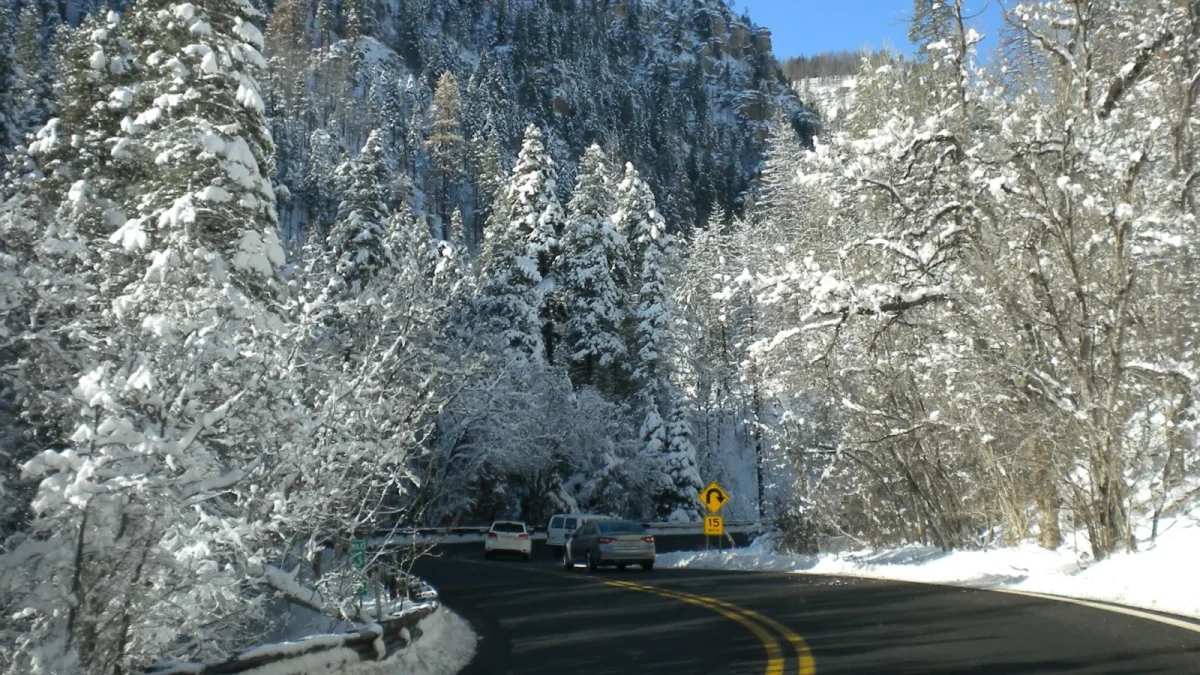
The first real snowfall of the season teaches every driver the same lesson about lane keep assist: the technology that felt so reliable in July suddenly goes quiet in January. You pull onto a white-dusted highway, wait for that familiar steering nudge, and get nothing.
It is not a coincidence, and it is not a defect. Your car did not forget how to work. It simply lost the one thing it needs most.
Every winter I get calls from folks certain their lane system broke over the cold months. Almost none of them actually did. Let me explain what is really happening under that snow.
Key takeaways
- Lane keep assist relies on a camera seeing painted lane lines, and snow simply covers them up.
- A snow packed or fogged windshield in front of the camera will disable the system entirely.
- An “unavailable” message in winter is normal behavior, not a fault you need to repair.
- Reduced traction on ice also limits how much the system will steer, by design.
- Keep the camera zone clear and never rely on lane assist as your winter safety net.
Why snow blinds the system in the first place
Lane keep assist is a vision system at heart. A small camera mounted behind your rearview mirror stares at the road ahead and hunts for the painted lines that mark your lane. When it finds them, it can nudge you back toward center.
Snow breaks that chain at the very first link. If the lane lines are buried under even a thin layer of white, the camera has nothing to lock onto. No lines, no lane, no assist.
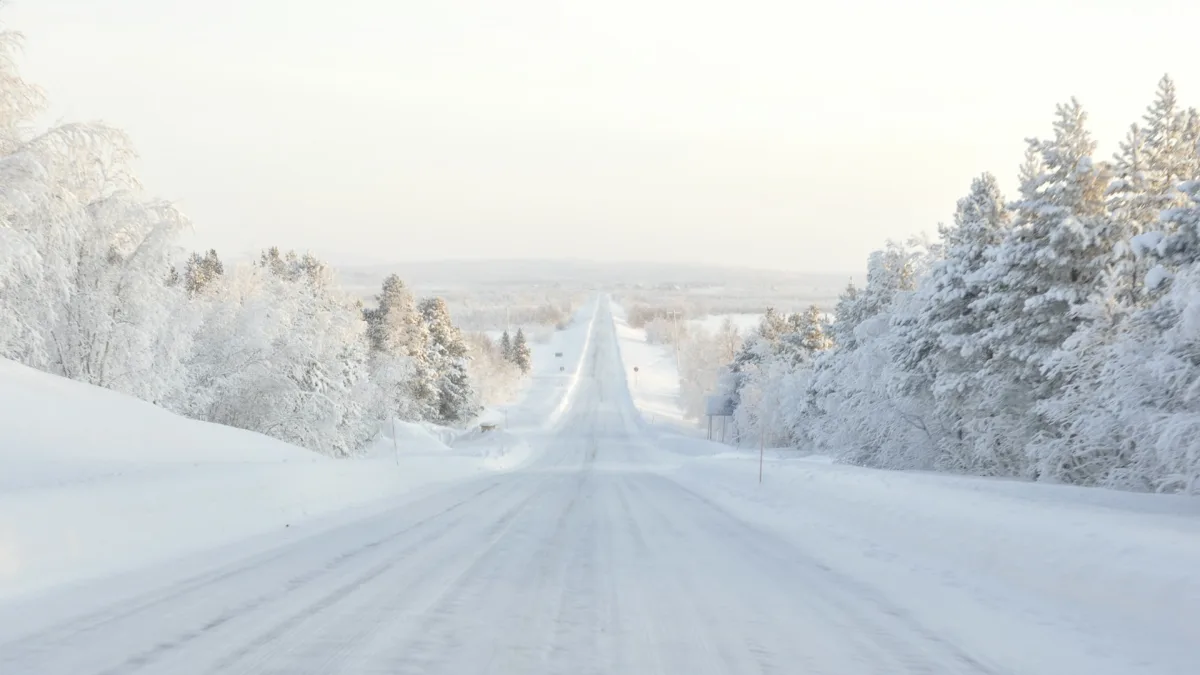
Slush is arguably worse than fresh powder. A gray slurry of snow, salt, and grime smears across the paint and kills the contrast the camera depends on. Even where you can still make out the lines with your own eyes, the camera often cannot.
The windshield is the other weak point
Here is the part people forget. The camera looks through your glass, so anything on that glass matters as much as the road.
Snow packed against the windshield, a fogged interior, or a stubborn strip of ice right in the camera’s line of sight will shut the system down instantly. I have seen drivers scrape a neat little porthole in front of the steering wheel and leave the passenger side buried, never realizing the camera zone up near the mirror was still iced over.
Tip
Before you drive off, clear the full width of the windshield, especially the strip behind the rearview mirror where the camera lives. That small patch is the difference between a working system and an “unavailable” message.
Your defroster is your best friend here. Let it run long enough to clear the glass fully, not just enough to see over the wheel. Cold, foggy glass scatters light and confuses the camera even when it looks clear to you.
Traction plays a role too
Even on a plowed road with visible lines, you may notice the steering feels weaker in winter. That is intentional.
Lane keep assist works by applying gentle steering torque. On ice or packed snow, an aggressive steering correction could actually break traction and put you sideways. Many systems dial back their effort, or hand control fully to you, when they sense low grip through the stability control sensors.
Watch out
Do not lean on lane keep assist to save you on a slick road. It was never built to correct a skid, and on ice it may deliberately reduce its own steering input. You are the primary driver in winter, full stop.
What the dashboard is telling you
When the system drops out in snow, you will usually get one of a few signals. A steady amber lane icon, a message like “Lane Departure Unavailable” or “Clean Windshield,” or simply no green lane graphic at all.
None of these are fault codes. They are the car being honest that it cannot see. If you want to decode the exact color states you are seeing, I laid them out in our piece on the amber lane departure symbol meaning.
The good news is that these messages clear themselves. Once you reach a clear windshield, plowed pavement, and visible paint, the system wakes right back up. No trip to the shop required.
Winter troubleshooting checklist
Before you assume something is wrong, run through this quick list. It catches the vast majority of cold weather complaints I hear.
- Clear snow and ice from the entire windshield, including the camera strip near the mirror
- Run the defroster until the glass is fully clear inside and out
- Confirm the lane lines on your road are actually visible, not buried or slushed over
- Check that your speed is above the activation threshold, often around 40 mph
- Wipe road salt film off the outside glass at fuel stops
- Make sure the feature is still switched on in the menu after any recent service
If you run that list and the system still refuses on a clean windshield and a freshly plowed, well painted road, then you have moved past normal winter behavior. That is worth a look, and the reasons often overlap with our guide on why lane keep assist keeps turning off.
A quick story from a January service bay
A woman brought in a two year old crossover convinced the lane system had failed. It worked flawlessly on our test drive, which of course made her more frustrated, not less.
The tell was the weather. Her complaint days were all snowstorms; our test day was clear. Her real issue was that she cleared only a small window on the driver side and left the camera area frosted over every morning. We showed her the camera housing behind the mirror, she started clearing the whole windshield, and the “problem” vanished.
In winter, the camera is only as good as the glass in front of it. Clear the whole windshield, not just your view.
Setting the right expectation for the season
Think of lane keep assist as a fair weather helper. It shines on a dry, well marked highway and steps back when snow, slush, and ice take away its vision or its grip. That is the system working as designed, not letting you down.
The smartest winter habit is to drive as if lane assist does not exist, and treat any steering help you do get as a bonus. Safety groups like the IIHS make the same point: these are assist features, not autopilot, and their limits show up fastest in bad weather.
For the full picture of how the camera, the steering, and the warnings all connect across every season, our complete lane keep assist guide pulls it together. Come spring, once the paint reappears and the glass stays clear, your system will be right back to its old self.
Questions drivers ask
The system reads painted lane lines with a forward camera, and snow or slush covers those lines so the camera has nothing to track. A snow packed or fogged windshield in front of the camera will also disable it. Both are normal, not a defect.
No. That message simply means the camera cannot see well enough to help, usually because of buried lane lines, a dirty windshield, or heavy glare off snow. It clears on its own once conditions improve and no repair is needed.
It often does, as long as the lane lines on the road are also visible. Be sure to clear the whole windshield, especially the strip behind the rearview mirror where the camera looks out. Many drivers leave that spot iced over and wonder why the system stays off.
Yes, by design. The system applies steering torque to nudge you back to center, and on ice an aggressive correction could break traction. Many vehicles reduce their steering effort or hand full control back to you when they detect low grip.
You should not. It was built for clear, well marked roads and cannot correct a skid. Treat winter driving as if the feature is off, and consider any steering help you receive a bonus rather than a safety net.