A customer once asked me where the “computer eyes” were on her new crossover. Good question, and one almost nobody can answer about their own car. These sensors are deliberately tucked away so they do not ruin the styling, which means when one gets dirty or bumped, the owner has no idea where to even look.
So let me give you the walkaround I give every new-car owner who asks. We will start at the windshield and work our way around the whole vehicle, corner by corner, until you know exactly where every eye and ear is hiding.
Key takeaways
- ADAS sensor locations follow a predictable pattern across almost every brand, so once you learn the map on one car, you can find them on any car.
- The forward camera lives on the windshield behind the mirror; radar hides behind the grille and in the rear bumper corners.
- Ultrasonic parking sensors sit as small round buttons on the bumper face; surround cameras hide in the grille, mirrors, and tailgate.
- Knowing the exact spot turns a mystery warning light into a two-minute cleaning job.
Start at the windshield: the forward camera
Sit in the driver’s seat and look up at your rearview mirror. Just above or behind it, pressed against the top of the glass, is a black plastic housing. That is the home of the forward-facing camera, the most important sensor on the car.
On some cars the housing is a small trapezoid; on others it is a wide bar that also holds the rain sensor and auto high-beam. Look through the windshield from outside and you will see a clear window in the housing where the camera peers out.
This one camera feeds lane keep assist, automatic emergency braking, and traffic sign recognition on most vehicles. Toyota, Honda, Subaru, and the rest all mount it in roughly the same spot because it needs a high, central view of the road.
Good to know
Because it looks through the glass, the strip of windshield directly in front of the camera has to stay clean and undamaged. A chip or a wiper smear right in that zone is enough to cause errors, even when the rest of the glass looks fine.
If you ever need to wipe that camera window, do it carefully. The technique matters because the wrong solvent or a hard press in the wrong place can cause trouble. I laid out the safe steps in how to clean a windshield ADAS camera safely.
The front end: radar and ultrasonic sensors
Now walk around to the nose of the car. There are usually two different sensor types living up front, and they do very different jobs.
Forward radar behind the grille
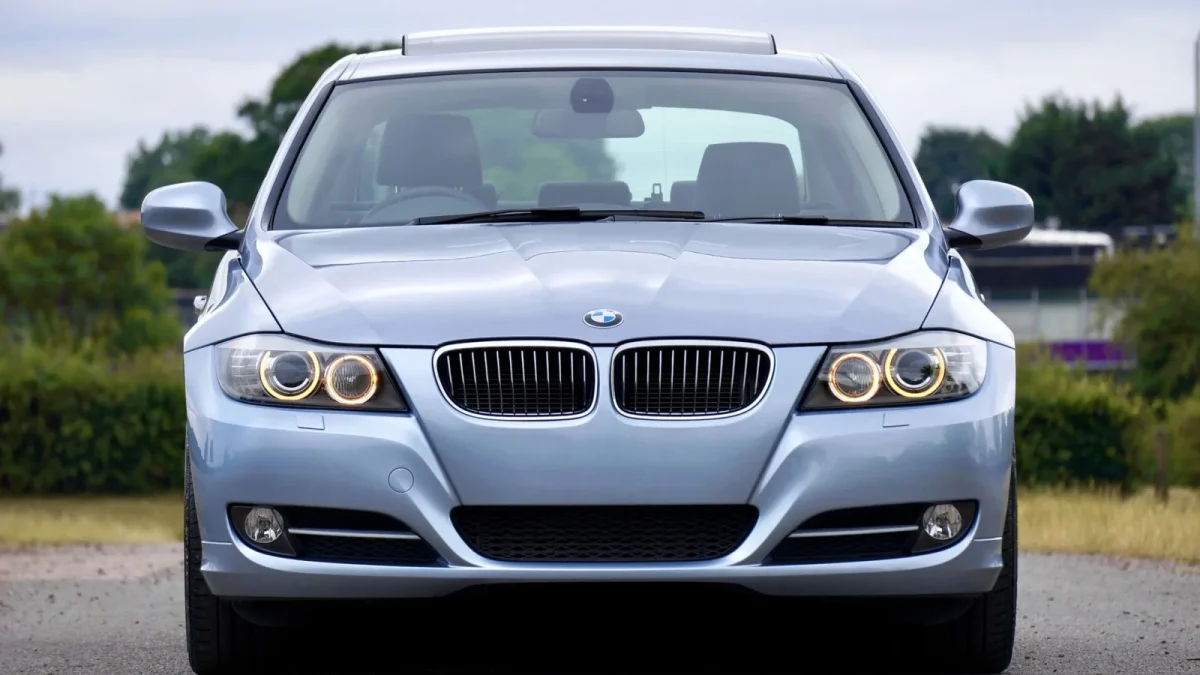
The forward radar is the eye for adaptive cruise and forward collision braking. On most cars it hides directly behind the grille, very often right behind the manufacturer badge, or low in the front bumper near the license plate.
You will rarely see it because it sits behind the plastic. Radar reads straight through the bumper cover, which is exactly why it can be hidden. Tap around behind the badge and you may feel a firmer bracket.
Ultrasonic parking sensors on the bumper face
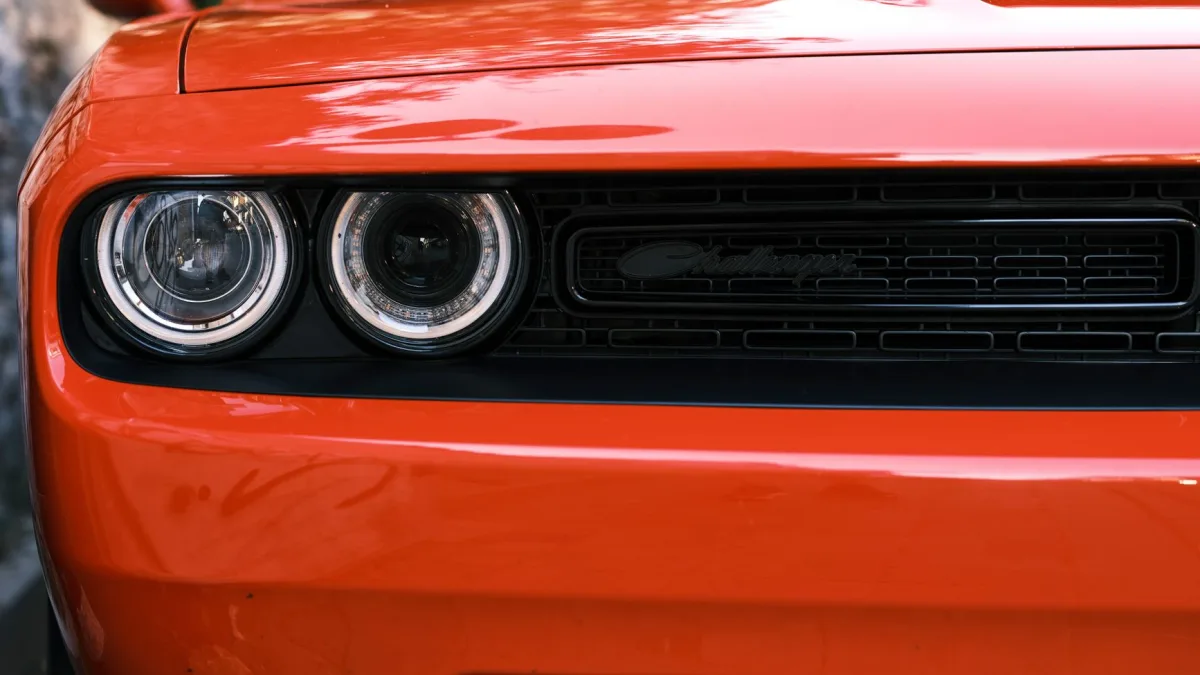
Look at the lower front bumper skin. If your car has front parking sensors, you will see a row of small round buttons, usually four of them, flush with the paint. Those are ultrasonic sensors, and they measure short distances for parking beeps and low-speed braking.
Unlike radar, these are exposed right on the surface, so they collect mud, snow, and bugs. When they get covered, you get false parking alerts. Cleaning them is easy if you know the gentle method, which I cover in how to clean ultrasonic parking sensors.
The front surround camera
If your car has a 360-degree camera view, one of its four lenses is up here too, usually built into the grille or the front badge itself. It is a tiny fisheye lens, and because it faces straight into road spray, it smears constantly.
The sides: mirror cameras and side sensors
Step to the side of the car and look under each door mirror. On surround-view-equipped vehicles, there is a small camera lens tucked into the underside of the mirror housing pointing down and out. Two of the four bird’s-eye cameras live here, one per side.
These mirror cameras are the ones that give you the side portions of the top-down parking view. They are exposed to everything the front tires kick up, so keeping them clear matters more than people think. The full cleaning routine for all four is in how to clean 360 surround-view cameras.
Tip
Honda’s LaneWatch system puts a camera under the passenger mirror to show the right-side blind zone on the screen. If your right mirror camera view goes fuzzy, it is the same fix as any mirror-mounted lens: a gentle wipe of the small lens face.
The rear end: corner radar, ultrasonic, and tailgate camera
Now the back of the car, which is the busiest corner of all. There are often three separate sensor types clustered here.
Blind spot radar in the bumper corners
The most important rear sensors are the two corner radar units, one behind each rear bumper corner. They power blind spot monitoring and rear cross-traffic alert. Like the front radar, they sit behind the painted plastic and are invisible from outside.
Because they hide behind the bumper skin, anything dense placed over that corner can block them. A metal or thick decorative license plate frame is a surprisingly common offender, which I explain in license plate frames blocking rear sensors.
Rear ultrasonic and the backup camera
The rear bumper face carries the same row of round ultrasonic buttons as the front, for reverse parking beeps. And above them, on the tailgate or trunk lid, sits your backup camera, usually near the handle or the license plate light.
The backup camera is also the fourth surround-view lens on cars with the full 360 system. It is exposed to road grime and, being sealed, is the one most likely to develop internal fog. If yours shows droplets or haze that will not wipe off, the problem is inside the housing, covered in condensation inside a backup or ADAS camera.
A quick location cheat sheet
Here is the whole tour boiled down to a table you can glance at.
| Sensor | Where to look | What it runs |
|---|---|---|
| Forward camera | Windshield, behind mirror | Lane keep, AEB, signs |
| Front radar | Behind grille or badge | Adaptive cruise, braking |
| Corner radar | Rear bumper corners | Blind spot, cross-traffic |
| Ultrasonic | Bumper face, front and rear | Parking beeps |
Watch out
Never assume a location without checking your owner’s manual diagram. Some pickups mount the forward radar behind a tow-hook cover, and a few brands put the front camera lower than the mirror. The manual shows the exact spots for your specific model.
Why knowing the map saves you money
Here is the payoff. When a warning light appears, most drivers panic and book a diagnostic that runs $100 to $200 just to have someone find a dirty sensor. If you know where the sensor lives, you can check it yourself first.
Nine out of ten mystery ADAS lights I see are a sensor that got covered, not a sensor that broke. The owner just did not know where to look.
Finding the sensor is step one. Deciding whether to clean it yourself or hand it to a shop is step two, and that depends on the sensor and your comfort level. I sort that out in DIY vs professional ADAS sensor cleaning.
How the whole system fits together
Once you can find every sensor, the rest of the picture clicks into place: what each one does, how it fails, and when it needs recalibrating after service. For that big picture, the hub guide to ADAS cameras and sensors ties every sensor and every fix together in one place.
If you want an outside reference on what these systems do and why their placement matters, MyCarDoesWhat is a plain-language resource that walks through each feature. For the safety-testing angle, the IIHS advanced driver assistance page is a solid neutral read.
Spend five minutes doing this walkaround on your own car this weekend. Learn where your eyes and ears live, and the next mystery light becomes a quick check instead of a shop visit.
Questions drivers ask
The forward-facing ADAS camera sits high on the windshield, directly behind the rearview mirror, in a black plastic housing. It looks out through a small clear window in the glass. This one camera usually feeds lane keep assist and automatic emergency braking.
The forward radar for adaptive cruise and collision braking usually hides behind the grille, very often right behind the manufacturer badge, or low in the front bumper near the plate. It sits behind the plastic and is not visible from outside.
It varies by trim. A base car might have just a windshield camera and rear ultrasonic sensors, while a loaded model can carry a dozen or more, including front and corner radar, front and rear ultrasonic sensors, and four surround-view cameras.
Blind spot radar units sit behind the rear bumper corners, one on each side, hidden behind the painted plastic. Anything dense placed over that corner, like a metal license plate frame, can block them and cause false or missing alerts.
Check the owner's manual diagram, which shows the precise spots for your specific vehicle. Some pickups mount radar behind a tow-hook cover and a few brands place the camera lower than the mirror, so the manual is the reliable source.