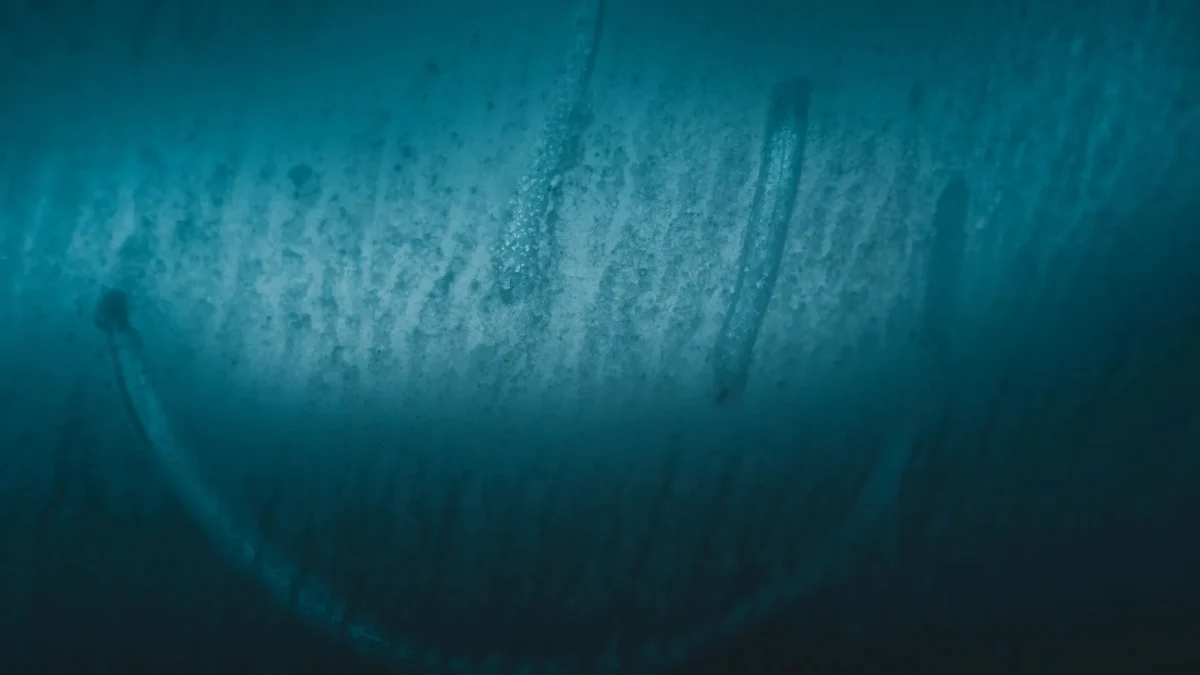
You drop into reverse on a cool morning and the backup camera looks like someone breathed on the lens from the inside. Wiping the outside does nothing, because the fog isn’t on the outside. It’s sealed in there with the electronics, drifting across the image like a tiny weather system.
This is one of the more confusing symptoms a driver runs into, because your instinct is to clean a lens that’s already clean. The moisture is inside the housing, behind the glass, where you can’t reach it. The question that actually matters is whether it will clear on its own or whether a seal has failed and the camera is on borrowed time.
I’ve pulled dozens of these cameras over the years. Some just needed a warm afternoon. Others were flooded and corroded beyond saving. Let me walk you through telling the two apart.
Key takeaways
- Fog inside a camera is trapped water vapor behind the lens, not surface dirt, so external wiping won’t help.
- Light condensation from a temperature swing often clears itself within a few hours to a day.
- Standing droplets, streaks, or fog that returns every day usually mean a failed seal and a camera on its way out.
- A cracked lens, a bad gasket, or a pressure washer aimed point-blank are the most common causes of a broken seal.
Why a sealed camera fogs up at all
Every backup and ADAS camera is a small sealed box with a lens on one end and a circuit board on the other. Automakers seal them against rain and car washes, but “sealed” rarely means perfectly airtight. Most housings breathe a little through a tiny vent or a semi-permeable membrane so pressure can equalize.
When warm humid air gets inside and the temperature drops, that moisture condenses on the coldest surface it can find, which is the back of the lens. Same physics as fog on a bathroom mirror. A healthy camera handles a little of this and dries out as things warm up.
Good to know
A brief haze after a cold night, a car wash, or parking a hot car in a cool garage is often normal. If it burns off by midday and doesn’t come back, your seal is probably fine and you can stop worrying.
The trouble starts when the seal degrades and the housing takes on more water than it can shed. Now every temperature swing fogs the lens, and the vapor never fully leaves.
Reading the symptom: self-clearing or seal failure?
This is the heart of it. Watch the pattern over a few days before you spend a dime.
| What you see | Likely meaning | Outlook |
|---|---|---|
| Light haze that clears by afternoon | Normal condensation | Fine, keep an eye on it |
| Fog returns every cold morning | Weakening seal | Monitor, plan for replacement |
| Visible water droplets or streaks | Water intrusion | Seal has failed |
| Milky, permanent cloudiness | Long-term moisture, corrosion | Camera failing |
The dividing line is whether the moisture leaves. Vapor that comes and goes with the weather is annoying but survivable. Liquid water that pools, streaks, or leaves mineral spots as it dries means the housing is filling and emptying, and the electronics are getting wet each time.
Watch out
Don’t ignore standing droplets inside the lens. Water on a live circuit board corrodes solder joints and connector pins. A camera that fogs today can go completely dark in a few weeks once corrosion sets in, often taking parking guidelines or ADAS features with it.
What actually breaks the seal
Cameras don’t usually fail at random. There’s almost always a trigger, and knowing it helps you decide whether the rest of your cameras are at risk too.
Age and heat cycling
The rubber gasket around the lens hardens over years of hot-cold cycling. On vehicles from 2016 and earlier that still wear their original cameras, a tired gasket is the most common reason moisture starts creeping in.
A cracked or chipped lens
A road-rock chip in the lens glass or a hairline crack in the plastic housing gives vapor a direct path inside. Even a crack too fine to see clearly will let humidity in.
Pressure washing point-blank
Blasting a camera from a couple of inches away can drive water past a seal that would’ve held up to normal rain forever. It’s the same warning we give for cleaning ultrasonic parking sensors: keep the nozzle back and off-angle, because high-pressure water finds every weakness.
Collision or bumper work
A rear-end tap, a tailgate slam, or a bumper R&R can tweak the housing just enough to break its seal. If fogging started right after body work, that’s almost certainly your cause.
What you can and can’t do about it
Let me be straight with you: there’s no reliable home fix for a truly failed seal. The internet is full of tricks, and most of them are wishful thinking.
- Park in a warm, dry garage for a day and see if light fog clears on its own
- Point a hair dryer on low at the housing from a foot away to coax out surface moisture
- Toss a silica gel packet near the camera if it’s in an accessible spot like a hatch trim
- Do not drill, pry, or crack open the housing, as you’ll destroy whatever seal remains
These help with occasional light condensation. They will not save a housing that’s genuinely compromised. Once you see standing water or daily fog, the honest answer is replacement.
If the fog leaves and comes back, you’re watching a slow leak. The only real repair for a broken camera seal is a new camera.
Replacement and the calibration catch
A backup camera replacement is often a bolt-in job running roughly $150 to $500 depending on the model, though luxury and integrated units climb higher. Here’s the part people miss: if the fogged camera is a forward-facing ADAS camera behind the windshield rather than a simple reverse camera, swapping it usually triggers a recalibration.
That recalibration matters because the car has to relearn exactly where the new camera is aimed. Skip it and lane keeping or automatic braking can read the road wrong. Our breakdown of when ADAS calibration is required covers which swaps trip that requirement.
Before you assume the worst, though, rule out the simple stuff. A lens that only looks foggy on the surface might just be dirty, and that’s a five-minute wipe covered in our guide to cleaning a windshield ADAS camera. Internal condensation is a different beast, and telling them apart is half the battle.
For the big-picture view of how these cameras work and where they live on your vehicle, our complete guide to ADAS cameras and sensors is the place to start. If your driver-assist warnings are acting up alongside the fog, the NHTSA site has solid background on these safety systems.
Watch the pattern, respect the physics, and you’ll know within a day or two whether you’re dealing with a passing haze or a camera that needs to come out.
Questions drivers ask
Light haze from a temperature swing or a car wash often clears within a few hours to a day, especially if you park in a warm, dry spot. If fog returns every cold morning or you see standing droplets, the seal has likely failed and it will not fully clear.
No. Prying open a sealed camera housing destroys whatever seal remains and lets in more moisture and dust. If the fog is persistent, the correct fix is a new camera, not a home teardown.
The usual causes are an aged rubber gasket that has hardened over years of heat cycling, a cracked lens or housing from road debris, point-blank pressure washing, or a bump from a collision or bumper repair. Any of these gives water vapor a path inside.
A simple rear backup camera usually does not. But a forward-facing ADAS camera behind the windshield almost always requires recalibration after replacement so the car knows exactly where the new camera is aimed for lane keeping and braking.
A basic backup camera replacement typically runs about $150 to $500 depending on the vehicle. Integrated luxury units and forward ADAS cameras that also need calibration cost more, sometimes well past that range.