The first hard freeze of the season always sends a wave of the same complaint into the shop. Half a dozen dashboards lit up like a Christmas tree overnight: “front assist unavailable,” “blind spot system fault,” “parking aid disabled.” Nine times out of ten, nobody’s car is broken. Winter just put a blindfold on every sensor it could reach.
Cold weather is brutal on driver-assist hardware, not because the electronics mind the chill, but because the sensors live on the outside of the car where snow, salt, and ice pile up first. Let’s go through exactly what winter blocks, and how to clear it without doing damage.
Key takeaways
- Snow blocking ADAS sensors is the leading cold-weather cause of driver-assist warnings, and it usually clears with gentle manual cleaning, not a repair.
- The four winter danger zones are the grille radar, the bumper parking sensors, the windshield camera window, and the blind-spot radars in the rear corners.
- Road salt spray and refreezing slush are as blinding as fresh snow, and a warm-then-refreeze cycle creates the toughest ice crusts.
- Never use a metal scraper or boiling water on a sensor. Warm the car gradually, use a plastic or gloved approach, and give the systems a short drive to reset.
Why winter hits sensors so hard
Your driver-assist systems depend on a clear line of sight, or a clear line of sound. Radar needs an unobstructed path through the grille. The camera needs a clean patch of windshield. Ultrasonic sensors need a bare bumper face. Winter buries all three under the same white blanket.
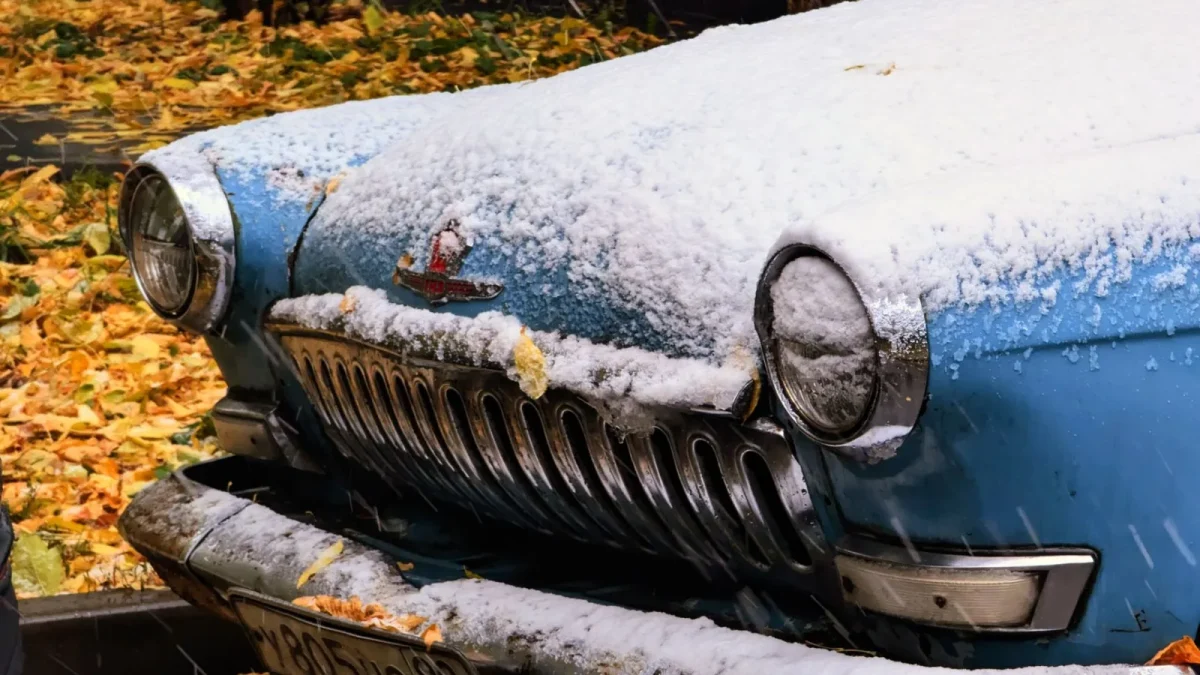
What makes cold weather especially sneaky is the refreeze cycle. Snow melts against a warm car, trickles down into the sensor recesses, then freezes solid overnight into a clear glaze you can barely see. That thin ice layer is enough to disable a system that snow alone might not have.
Good to know
Modern systems are designed to fail safe. When a sensor is blocked, the car disables that feature and warns you rather than guessing. An annoying message beats a false emergency braking event on an icy road, so the warning is the system working correctly.
The four winter danger zones
Not every sensor is equally exposed. These are the spots I check first when a customer rolls in after a snowstorm.
1. The grille radar
The front radar behind your emblem is the number one casualty. A single wet snowball packed behind the badge kills adaptive cruise and automatic emergency braking instantly, because radar can’t punch through dense snow or an ice crust. If you want the full picture of how this sensor sees the road, our front radar sensor primer explains why even a thin glaze blinds it.
2. The bumper parking sensors
Those ultrasonic dots on your front and rear bumpers sit low and catch every bit of slush the tires throw up. Once salt spray dries into a crust over them, they either go silent or beep at nothing. They’re covered in depth in our guide to how ultrasonic parking sensors work.
3. The windshield camera window
The forward camera behind your mirror only needs a small clear patch of glass, but that patch ices over with everything else. If your wipers smear rather than clear, or the defroster hasn’t reached that zone yet, lane keeping and traffic sign recognition drop out.
4. The rear-corner blind-spot radars
Blind spot monitoring radars live behind the rear bumper corners, exactly where road slush accumulates thickest. A caked layer there disables the little warning light in your mirror.
Salt and slush: the invisible blinders
People expect snow to block sensors. What catches them off guard is that a clean-looking car can still throw warnings, because dried road salt is nearly transparent but very much in the way.
Salt brine sprays up from the road, coats the low sensors, and dries into a chalky film. To radar and ultrasonic pulses, that film is an obstruction. This is why your sensors can fault on a dry, sunny January day when there’s no visible snow anywhere on the car.
The worst sensor blockage I see all winter isn’t a snowstorm. It’s the sunny cold snap three days later, when the salt has dried into a crust nobody thought to wipe off.
Watch out
Refreezing is the real trap. If you clear snow off a warm sensor and then park in freezing temps, the leftover meltwater can refreeze into ice inside the sensor recess. Dry the area, or park nose-out where morning sun can help, to break the cycle.
How to clear sensors safely in the cold
This is where good intentions turn into cracked plastic. Winter cleaning has real do’s and don’ts, and the wrong move costs you a sensor.
- Warm the car gradually. Let the defroster and cabin heat soften ice for a few minutes before you touch anything.
- Use a gloved hand or a soft brush on the grille emblem and bumper sensors. Firm but gentle beats sharp and fast.
- Keep the metal scraper on the glass only, and even then steer clear of the camera window patch behind the mirror.
- Never pour hot or boiling water on a frozen sensor or camera. The thermal shock can crack the housing or the windshield.
- Wipe the area dry after clearing so leftover water doesn’t refreeze into a fresh block.
- Drive a mile or two at moderate speed so the systems can re-scan and clear their warnings.
Tip
Build a ten-second winter habit. When you brush snow off the hood and mirrors, sweep the front emblem and both bumpers too. That tiny routine prevents almost every “sensor unavailable” surprise on the first cold highway run.
The windshield camera needs special care
The forward camera is the one sensor I beg people not to attack with a scraper. Its clear window is a specific patch of glass, and gouging it or letting frost sit there degrades lane keeping fast. Warm it with the defroster and clear it gently. Our guide on cleaning a windshield ADAS camera safely walks through the exact method, and it matters even more in freezing weather.
There’s a related winter gotcha here. Rapid temperature swings can pull moisture inside a camera housing, and once it fogs internally, no amount of outside cleaning helps. If your backup or front camera looks hazy from the inside, our piece on condensation inside a backup or ADAS camera explains what’s happening and when the seal has failed.
When the warning won’t clear
Sometimes you’ve cleaned everything, dried it, driven a few miles, and the light stays on. That’s your cue that it may be more than snow.
Cold-weather potholes and salt-eaten mounts can knock a sensor out of alignment, and a slushy fender-bender can shift a bumper enough to matter. When cleaning doesn’t reset the system, the sensor may need recalibration to factory aim. Our overview of when ADAS calibration is required covers the triggers, and the complete ADAS cameras and sensors guide ties every winter symptom back to the system behind it.
If you want a plain-English refresher on what each of these safety features is supposed to do before you decide something’s wrong, the folks at MyCarDoesWhat keep a genuinely useful, jargon-free library.
Getting through the season
Winter doesn’t break your driver-assist systems. It just tests whether you’ll spend ten seconds keeping them clear. The sensors are honest: give them a bare path and they work all season, bury them in salt crust and they’ll shut down to keep you safe.
Treat the grille, the bumpers, and the camera window as part of your normal snow-clearing routine, warm things up before you scrape, and never trust hot water or a metal blade near a sensor. Do that, and the only thing lighting up your dash this winter will be the heated-seat button.
Questions drivers ask
Snow, ice, and slush pack over the grille radar, bumper sensors, camera window, and rear blind-spot radars, blocking their line of sight or sound. The car disables those features and warns you to fail safe. Clearing the blockage and driving a mile or two usually resets the systems.
Yes. Salt brine sprays up from the road and dries into a chalky film over the low sensors. That film is nearly invisible but blocks radar and ultrasonic pulses, which is why sensors can fault on a dry, sunny cold day with no snow on the car.
No. Hot or boiling water can crack a sensor housing or the windshield from thermal shock, and any leftover water can refreeze into a fresh block. Warm the car gradually with the defroster and heat, then clear the ice gently with a gloved hand or soft brush.
If the area is clean and dry, you have driven a couple of miles, and the light persists, the sensor may be out of alignment from a pothole, salt-eaten mount, or minor bump. That calls for a recalibration to factory aim at a shop rather than more cleaning.