Pop the hood on almost any car built from 2018 onward and you probably won’t spot it, because the part doing most of the heavy lifting for your adaptive cruise control isn’t under the hood at all. It’s tucked behind the grille badge, staring straight down the road at everything ahead of you. That little sealed box is the front radar sensor, and when it stops seeing clearly, your dash lights up and half your safety features quit at once.
I’ve had drivers roll into the bay convinced their whole car was falling apart, when the real culprit was a fist-sized clump of snow packed behind the emblem. So let’s talk about what this sensor actually does, and the surprisingly small things that blind it.
Key takeaways
- The front radar sensor uses millimeter-wave signals, not a camera lens, so it sees through darkness and light fog but gets blocked by metal, ice, and thick mud.
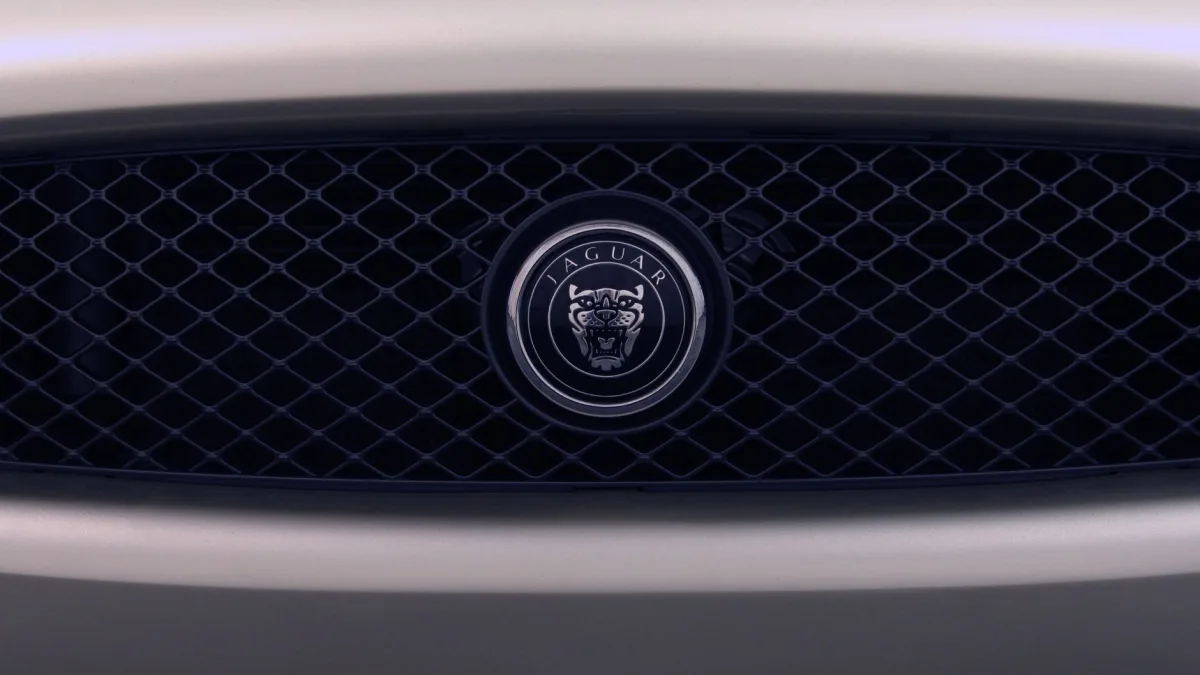
- Most systems mount it behind the front emblem or lower grille, and a metallic emblem sticker or chrome accessory can reflect the signal back and disable it.
- Radar handles distance and closing speed for adaptive cruise and automatic emergency braking, while the windshield camera handles lane markings and object shape.
- A “radar blocked” or “front assist unavailable” message usually clears once you gently remove the obstruction, no shop trip required.
What millimeter-wave radar actually is
Radar on a car works the same way weather radar does, just scaled way down. The sensor sends out radio waves in the millimeter-wave band, around 77 GHz on most modern vehicles, and listens for the echo bouncing back off whatever is ahead.
By measuring how long the echo takes to return, the module calculates distance. By measuring the frequency shift in that echo, it calculates how fast the gap is closing. That second trick, the Doppler shift, is why radar is so good at knowing whether the car ahead is braking hard or just cruising.
The beauty of radio waves is that they don’t care about lighting. Radar sees a stopped truck at 2 a.m. in a downpour just as well as it does at noon. That’s why automatic emergency braking leans on it so heavily.
Good to know
Radar measures distance and speed extremely well but has poor resolution for shape. It knows something solid is 40 feet ahead and closing at 15 mph, but it often can’t tell a pedestrian from a mailbox. That’s the camera’s job.
Radar versus the windshield camera
People mix these two up constantly, and I get why. Both feed the same driver-assist features, so they feel like one system. They’re not.
The camera behind your rearview mirror reads lane lines, traffic signs, brake-light patterns, and the general shape of objects. It’s your car’s eyes. The radar is more like its sense of hearing in the dark: it doesn’t see detail, but it nails distance and speed no matter the weather.
Named systems stitch the two together in their own way. Toyota’s Safety Sense and Honda Sensing both fuse front radar with the windshield camera. Subaru’s EyeSight is the odd one out, running mostly on stereo cameras with radar as a supporting player on newer models. When you understand which sensor does what, a warning light stops being a mystery.
If you want the full tour of every eye and ear on your vehicle, our complete guide to ADAS cameras and sensors maps out how they all cooperate.
Where it lives on your car
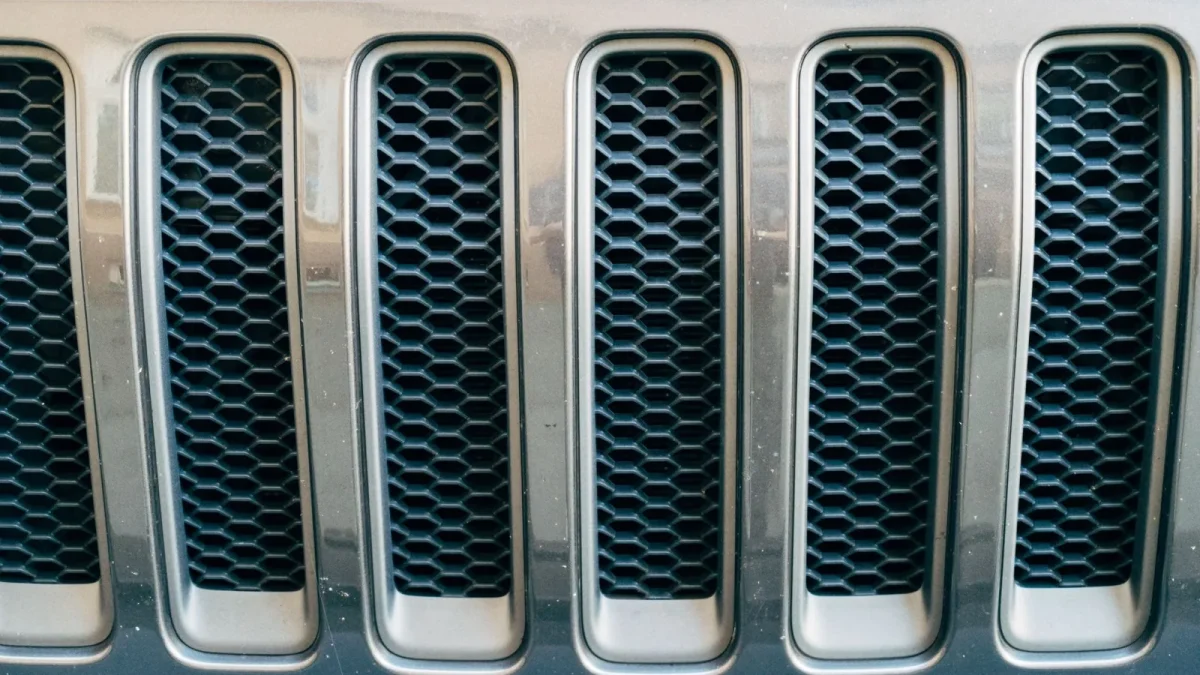
Location varies by brand, but there are only a few usual spots. Most commonly the radar sits dead center behind the front emblem or badge. Some trucks and SUVs place it low in the bumper fascia, off to one side. A handful of luxury models hide it behind a plastic panel painted to match the body.
Because the mounting is so specific, even a small bump to the bumper can knock the aim off by a degree or two, which is enough to matter. If you want to know exactly where yours is, we break down every ADAS sensor location on a typical car by system and body style.
Why the emblem matters more than you’d think
Here’s a mistake I see a couple times each winter. A driver orders a slick aftermarket badge online, one of those metallic or chrome-plated emblems, and slaps it right over the factory one. Within a day, “front radar unavailable” pops up.
The factory emblem is engineered to let 77 GHz waves pass through. A metallic replacement reflects them straight back into the sensor. As far as the module knows, there’s a solid wall two inches in front of the car at all times.
Watch out
Metallic emblem overlays, chrome grille inserts, and even certain aftermarket license plate mounts up front can reflect or absorb radar. If your adaptive cruise died right after a cosmetic upgrade, that upgrade is your prime suspect.
How the front radar sensor fails
Most failures aren’t the sensor breaking. They’re the sensor being blinded. Here’s the short list I run through, roughly in order of how often I see them.
- Packed snow and ice. A wet snowball behind the grille is the number one offender in cold states. Radar can’t punch through several inches of dense snow.
- Caked mud and road grime. A thin film is fine. A quarter-inch crust of dried mud after an off-road weekend is not.
- Bugs and ice mix. Late fall, a bug-splattered emblem plus a frost layer can be enough to trip the warning.
- Physical misalignment. A minor front-end tap, a curb strike, or a bumper cover that wasn’t clipped back correctly can throw off the aim.
- Aftermarket obstructions. Bull bars, brush guards, and heavy-duty winches sit right in the radar’s path.
That last one deserves its own warning. If you run a grille guard or push bar, read our piece on bull bars and grille guards blocking radar before you assume the sensor is faulty. The metal frame alone can scatter the beam.
Nine times out of ten, a radar warning isn’t a dead sensor. It’s something the size of your palm sitting where it shouldn’t be.
What to do when the light comes on
Start simple. Pull over safely and look at the front emblem and lower grille. Clear off any snow, ice, or mud with a gloved hand or a soft brush. Don’t gouge at it with a scraper, because the plastic emblem scratches easily and some sensors sit just behind a thin cover.
Drive a short distance at moderate speed. Many systems need to re-scan a few clear road cues before the message clears itself, usually within a mile or two.
If the warning stays on after the area is clean and you haven’t hit anything, the sensor may have lost calibration. That’s when it’s shop time. Recalibration realigns the radar’s aim to factory spec, and you can get a feel for the pricing in our breakdown of what ADAS calibration typically costs.
Tip
Before any winter trip in a cold climate, give the front emblem a quick wipe when you clear your windshield. Ten seconds of habit prevents most “front assist unavailable” surprises on the highway.
When calibration is genuinely required
Cleaning fixes the blindness. It does not fix misalignment. If the radar bracket shifted, no amount of wiping will help, because the sensor is now pointed slightly off the road ahead.
Calibration events I flag most often: a front bumper repair, a collision on that corner, suspension or steering work, and sometimes a wheel alignment that changed the thrust angle. The relationship between chassis geometry and sensor aim is real, and we cover it in our article on when ADAS calibration is actually required.
The federal safety folks have solid consumer-level explainers too. The NHTSA site is worth a bookmark if you want the plain-language version of how these systems are supposed to behave.
The takeaway from the service counter
Your front radar sensor is a quietly brilliant piece of hardware. It sees through the dark and the rain, judges closing speed better than most humans, and asks for almost nothing in return except a clear path in front of the badge.
Treat it like the small, blind, weather-exposed instrument it is. Keep the emblem clear, think twice before bolting metal in front of it, and take a “radar blocked” message as the gentle nudge it’s meant to be. Nine times out of ten, the fix is free and takes under a minute in your driveway.
Questions drivers ask
The most common cause is packed snow, ice, or slush behind the front emblem or lower grille where the radar sits. Radar cannot pass through dense snow. Clear the area gently with a gloved hand or soft brush, then drive a mile or two so the system can re-scan and reset.
Yes. The factory emblem is designed to let 77 GHz radar waves pass through, but a metallic or chrome aftermarket badge reflects them back into the sensor. This often makes adaptive cruise and front assist unavailable right after the swap. Remove the metallic overlay to restore function.
The radar measures distance and closing speed and works in darkness, rain, and light fog. The windshield camera reads lane lines, signs, and object shapes but needs good visibility. Most driver-assist features fuse both, so a fault in either can trigger a warning.
Cleaning alone does not require calibration. But if the sensor was knocked out of alignment by a bumper repair, curb strike, or collision, wiping it will not help. In that case the radar aim must be recalibrated to factory spec at a shop.