The internet convinced a lot of people that clearing an ADAS warning is as easy as clearing a check engine light. Plug in a cheap code reader, hit “erase,” watch the light go dark, drive off happy. I have seen the aftermath of that thinking roll into my bay more times than I can count, usually with the light already back on and a driver who now trusts a system that was never actually fixed.
Resetting a driver-assist warning yourself is not always a bad idea. Done wrong, though, it can hide a real problem, leave a safety system misaligned, or cost you more than if you had left it alone. Here are the mistakes I see beginners make, and how to sidestep every one.
Key takeaways
- Clearing an ADAS code is not the same as fixing it; a reset that hides an active fault is dangerous.
- Many warnings need a recalibration, not a reset, and no scan tool can substitute for aiming the camera correctly.
- Using the wrong tool, skipping the drive cycle, or ignoring the underlying cause are the most common beginner errors.
Mistake 1: Treating a reset like a repair
This is the big one, the mistake that makes the other five possible. Erasing a warning code and restoring the system to correct operation are two completely different things.
If your forward collision light is on because the camera is aimed wrong, clearing the code does nothing to the aim. The light might vanish for a mile, then return the moment the system rechecks itself. Meanwhile you have convinced yourself the problem is solved.
Watch out
A cleared warning that comes back is not a glitch. It is the system doing its job and telling you the fault is still there. Chasing the light with repeated resets instead of finding the cause is how a small issue becomes an accident.
Before you touch anything, understand the difference between what a reset does and what it cannot do. Our breakdown of what an ADAS reset can and cannot fix is the single most useful thing to read first.
Mistake 2: Using the wrong scan tool
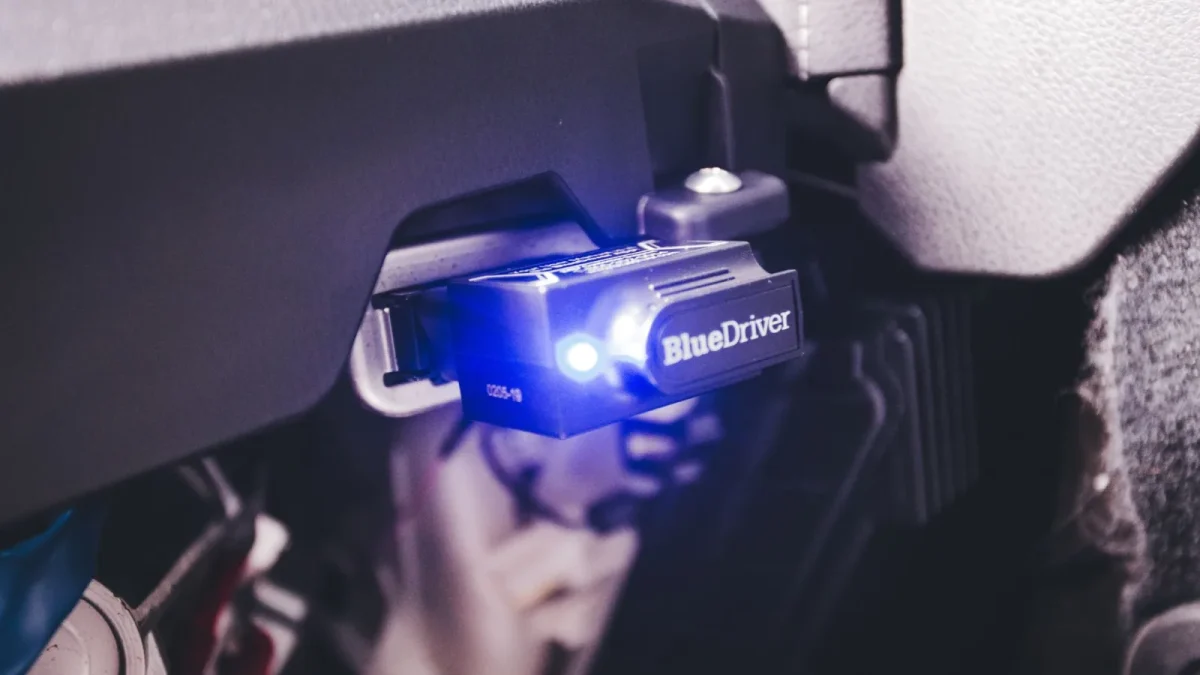
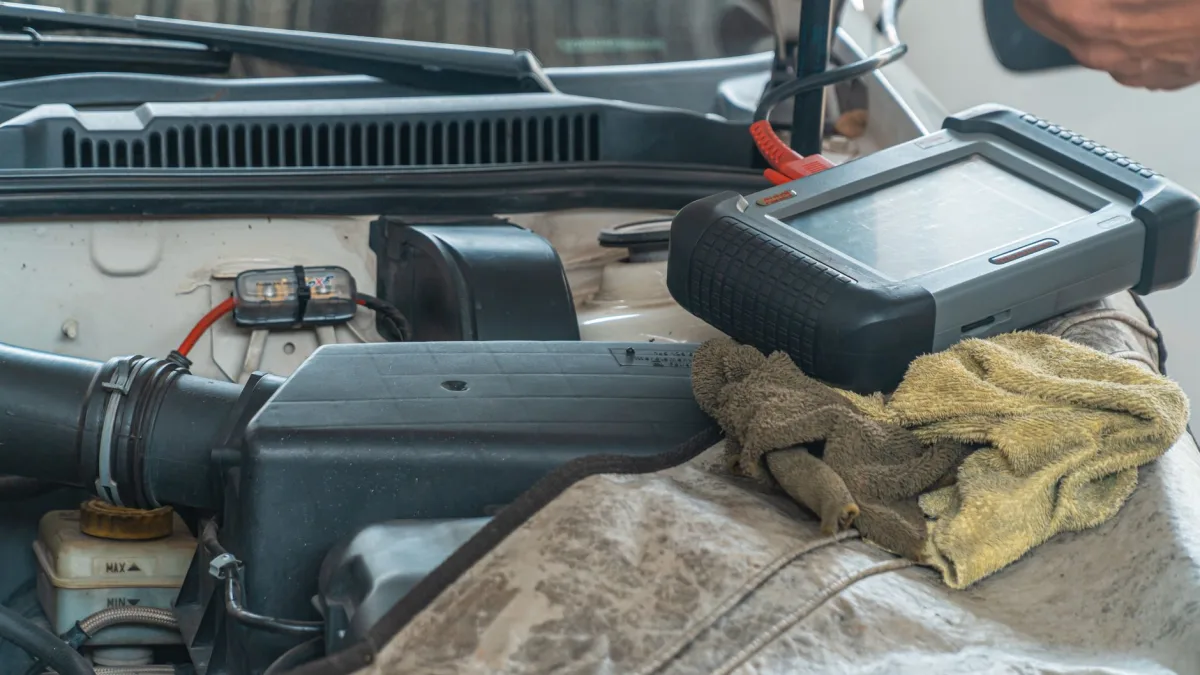
A $30 generic OBD reader from the auto parts store reads engine codes. Most of them cannot even see the ADAS modules, let alone command a recalibration. People buy one, see it does not list the camera fault, and assume there is no fault.
ADAS systems live on separate modules that need a tool capable of talking to them. Some require manufacturer-level software. Our guide to scan tools for ADAS beginners explains which tools actually reach these systems and which are a waste of forty bucks.
Good to know
Reading a code and clearing a code are the easy parts. Performing a calibration requires target boards, precise floor measurements, and a level surface. That is why even a capable scan tool cannot finish the job in your driveway for camera-based systems.
Mistake 3: Confusing a reset with a recalibration
These words get used interchangeably online, and they should not be. A reset clears stored fault information and lets a system reboot. A recalibration physically re-aims a sensor and teaches it its correct reference points.
If your warning came from a windshield replacement or an alignment, no amount of resetting will help. The camera needs to be recalibrated. Full stop.
Resetting a camera that needs recalibration is like resetting a bathroom scale that is bolted to a slope. The number changes, but it is still lying to you.
Mistake 4: Disconnecting the battery as a cure-all
Somewhere along the line, “just disconnect the battery for ten minutes” became internet gospel for every warning light. Sometimes it helps. Often it creates new problems while masking the old one.
Pulling the battery can wipe adaptive values and stored settings across many modules, and on some cars it triggers a fresh round of ADAS warnings that were not there before. You can end up worse off. We cover this exact trap in our piece on battery disconnect and ADAS warning lights.
If a reset is genuinely appropriate, learn the difference between a gentle software reset and a full power-down first. The comparison of a soft reset versus a hard reset for ADAS shows when each is the right call.
Mistake 5: Skipping the drive cycle
Even a proper reset often is not finished the instant the light goes off. Many systems need a drive cycle, a specific pattern of speeds and conditions, before they fully verify themselves and confirm the fault is truly gone.
Beginners clear the code in the parking lot, see the dash go clean, and declare victory. Then the light returns on the highway because the system never got to complete its self-check.
- Clear the code only after addressing the actual cause.
- Drive a steady route on clearly marked roads at moderate speed.
- Include a few minutes above 30 mph so radar and camera can verify.
- Confirm the light stays off through a full trip, not just the first block.
- Re-scan afterward to make sure no code has quietly returned.
Mistake 6: Ignoring what caused the warning
Every warning has a reason behind it. A dirty camera lens, a bent radar bracket, a low battery, a bad alignment, a fault in a module. The light is a messenger, and resetting it just shoots the messenger.
I had a driver reset the same blind spot warning four times over a week. The cause was road grime caked over the corner radar sensor. Thirty seconds with a rag would have fixed it. Instead he spent a week clearing a code that kept coming right back.
Tip
Before you reach for a scan tool, do the cheap checks. Wipe the camera glass and radar areas, look for obvious sensor damage, and make sure your battery is healthy. A surprising share of ADAS warnings clear with a clean rag and nothing else.
How to approach a reset the right way
None of this means you should never touch a warning yourself. It means you go in order: identify the feature, find the cause, fix the cause, then reset if needed, then complete the drive cycle, then verify.
Rushed the other direction, a reset is just wishful thinking with a fancy tool. Done in the right order, it can genuinely restore a system you have already made right.
If you are staring at a warning right now and not sure where to begin, our walkthrough of what to do when an ADAS warning light comes on gives you a calm first-step checklist. And to build the underlying knowledge so these mistakes never tempt you, the beginner’s guide to ADAS warning lights is your foundation.
The drivers who get burned are the ones chasing a dark dashboard instead of a working system. Slow down, find the why, and the light takes care of itself. For an independent take on how these systems are meant to function, the NHTSA is a solid reference to keep bookmarked.
Questions drivers ask
Clearing the code is not the same as fixing the fault. If the underlying cause remains, the warning returns as soon as the system rechecks itself. Most cheap generic readers also cannot see or command ADAS modules at all.
A reset clears stored fault data and lets a module reboot. A recalibration physically re-aims a sensor and teaches it its correct reference points. Warnings from a windshield swap or alignment need recalibration, and no reset will substitute for it.
Sometimes, but it is not a cure-all. Pulling the battery can wipe adaptive values across modules and even trigger fresh ADAS warnings that were not there before. It can mask the real problem while creating new ones.
The system is telling you the fault is still present. A returning light after a reset usually means the actual cause, like a dirty sensor or misaligned camera, was never addressed. Find and fix the cause before resetting.
Often yes. Many systems require a drive cycle at moderate speed on marked roads to fully verify themselves after a reset. Declaring victory in the parking lot is why the light frequently returns on the highway.