Two kinds of weather bring the same complaint to my bay, and they arrive in seasons. In spring and fall, it is the low sun cutting under the visor at rush hour. In summer storms and winter rain, it is the wet road throwing the sky back up into the camera. Both times, the driver says the same thing: my lane keep assist just quit on me.
It did not quit. It went temporarily blind, then came back when it could see again. That is a designed response to conditions no camera can handle, not a fault waiting to strand you.
Let me walk you through what heavy rain and low-sun glare actually do to the lane camera, why the system suspends itself, and how to keep it working as long as possible when the weather turns.
Key takeaways
- Lane keep assist reads painted lines through a camera, and rain or glare that hides those lines suspends the system.
- Wet, reflective roads mirror the sky and wash out lane paint from the camera’s view.
- Low-angle sun at dawn and dusk floods the lens and blinds it for seconds at a time.
- A clean windshield, fresh wipers, and the visor down all buy you more working time.
- Temporary drop-outs in bad weather are normal behavior, not a defect.
Why rain confuses the camera
Water is the enemy of a lane camera for two separate reasons, and heavy rain delivers both at once.
First, the raindrops on the outside of the windshield distort and scatter the image. Your wipers clear the driver’s line of sight, but the camera looks through its own patch of glass, and between wiper strokes that patch beads up. The camera sees a rippled, broken view of the road.
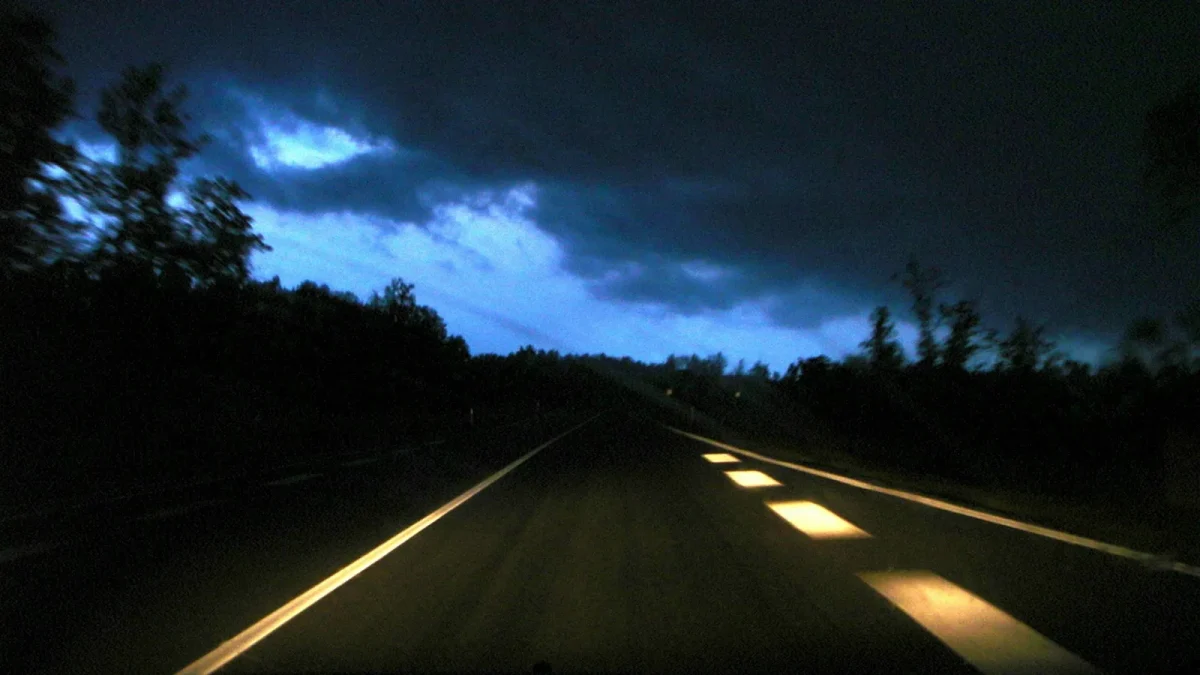
Second, and worse, is the wet pavement itself. A soaked road turns into a mirror. It reflects the bright sky and headlights, and that glare sits right on top of the lane paint. From the camera’s point of view, the white line vanishes into a sheet of shine.
Good to know
Standing water and hydroplaning conditions make it worse still. When a film of water covers the whole lane, there is nothing but reflection where the paint should be. Nearly every system on the market suspends lane assist in a hard downpour, and that is the safe choice.
This is closely related to what happens when snow buries the lines. If you drive through real winters, our guide on lane keep assist not working in snow covers the cold-weather version of the same blindness.
Why low sun is even trickier than rain
Rain is honest. You can see it coming and you expect the system to struggle. Glare is sneaky, because the road looks perfectly clear to you while the camera is completely blinded.
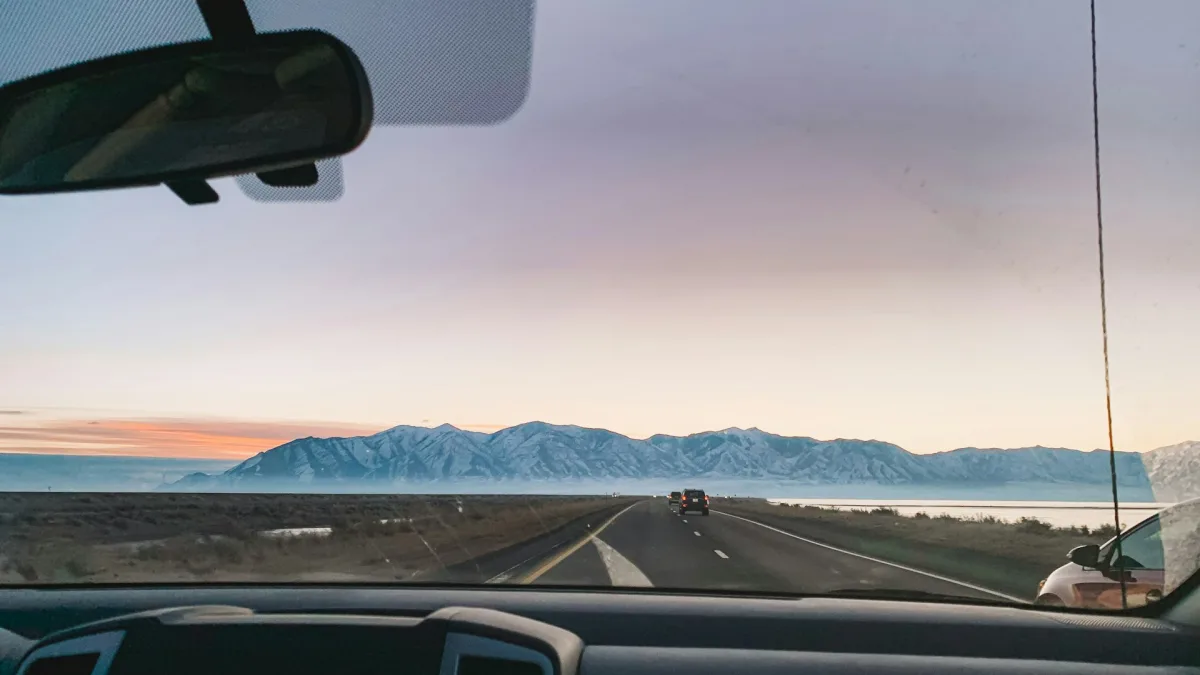
The camera sits behind the windshield aimed slightly downward at the road. When the sun drops to that low morning or evening angle, it shines straight into the lens. The image blooms into white, the same way a photo does when you point a phone at the sun.
For those few seconds, the camera has no usable picture at all. It cannot find the lane lines because it cannot see anything but light. So the system does the responsible thing and hands control back to you with a chime and a dropped icon.
The dashboard symbol that flickers during these moments trips up a lot of drivers. If you want to know exactly what that amber warning is telling you, our explainer on the amber lane departure symbol meaning decodes it.
The seasons when it happens most
Glare drop-outs cluster in specific weeks of the year, and knowing the pattern keeps you from panicking.
- Late fall and early spring, when the sun sits low during morning and evening commutes.
- Any east-west route at sunrise or sunset, where you drive straight into the light.
- Summer thunderstorm season, with sudden heavy downpours and glassy wet roads.
- Winter rain in milder climates, where cold water and gray skies dull the paint.
- The first clear morning after a storm, when a wet road plus low sun stacks both problems.
That last one is the double whammy. A wet, reflective road under a low sun blinds the camera two ways at once, and it is the single most common condition behind a “my car quit steering” call in my experience.
How to keep it working longer in bad weather
You cannot beat physics, but you can push the moment the camera gives up a good deal further out. Most of this is simple upkeep that too many drivers skip.
Keep the glass genuinely clean
A grimy windshield turns manageable glare into a total whiteout. Dirt and film on the glass scatter incoming light, so a low sun that a clean windshield would shrug off blooms into a blinding smear on a dirty one.
Clean the outside and the inside, especially the patch of windshield directly in front of the camera housing near the mirror. This is the same maintenance that prevents a whole category of self-inflicted shutoffs, which we cover in our rundown of mistakes that disable lane keep assist.
Tip
Replace your wiper blades every 6 to 12 months and keep the washer reservoir full of a good cleaner. In rain, a smearing wiper leaves a film the camera has to peer through on every stroke. Fresh blades and clean fluid can be the difference between the system holding on and dropping out.
Use the tools your car already gives you
Put the sun visor down before the glare hits, not after. It shades the cabin and, on many cars, cuts enough stray light to help the camera hold on a few seconds longer. A quality pair of polarized sunglasses helps you, the driver, even if it does nothing for the camera.
In rain, run your wipers a step faster than feels strictly necessary. Keeping the glass clearer more of the time gives the camera more usable frames.
What is normal and what is not
Here is the line I draw for customers between weather and defect.
| What you see | Rain or glare? | Fault? |
|---|---|---|
| Drops out in a hard downpour | Yes, expected | No |
| Blinks off facing a low sun | Yes, expected | No |
| Quits on a clear, dry, sunny day | No | Worth checking |
| Never works even in perfect weather | No | Needs diagnosis |
Watch out
The real danger in bad weather is not the drop-out itself. It is the driver who has zoned out trusting the system, then gets no help exactly when the road is slick and visibility is poor. When rain or glare is heavy, assume the assist is gone and drive like it is, because it probably is.
The camera sees the same road you do. When the weather blinds you, it blinds the camera too, and that is precisely when the car needs you most.
The takeaway for wet and sunny driving
Lane keep assist is a fair-weather friend, and there is nothing wrong with that. It shines on clear, well-marked highways and steps aside when rain or glare hides the lines it needs. Safety research from groups like the IIHS shows the feature prevents real crashes, but only within its limits, and heavy weather is one of those limits.
Keep the glass clean, the wipers fresh, and the visor down, and you will squeeze the most working time out of the system when conditions get marginal. Just remember that when the sky opens up or the sun drops low, the responsibility comes back to your hands.
If you want the full account of every condition that suspends the system, along with what your car is really capable of, our complete lane keep assist guide lays it all out.
Questions drivers ask
Heavy rain blinds the lane camera two ways. Raindrops on the camera's patch of windshield distort the image between wiper strokes, and the wet road reflects the sky like a mirror, washing out the painted lines. The system suspends itself until it can see the lane again, which is normal.
Yes. When the sun sits at a low morning or evening angle, it shines straight into the downward-aimed camera and blooms the image to white. For those seconds the camera cannot find the lane lines, so the system hands control back with a chime and a dropped icon.
No. Drop-outs during a hard downpour or facing a low sun are expected, designed behavior, not a defect. It becomes worth checking only if the system quits on a clear, dry day or never works even in perfect weather.
Keep the windshield clean inside and out, especially in front of the camera near the mirror. Replace wiper blades every 6 to 12 months, keep washer fluid full, and put the sun visor down before glare hits. Clean glass and fresh wipers buy the camera more usable frames.
The wet road is usually worse. A soaked surface turns into a mirror that reflects the sky and headlights right over the lane paint, so the white line vanishes into the shine. A wet road under a low sun stacks both problems and is the most common reason for a weather drop-out.