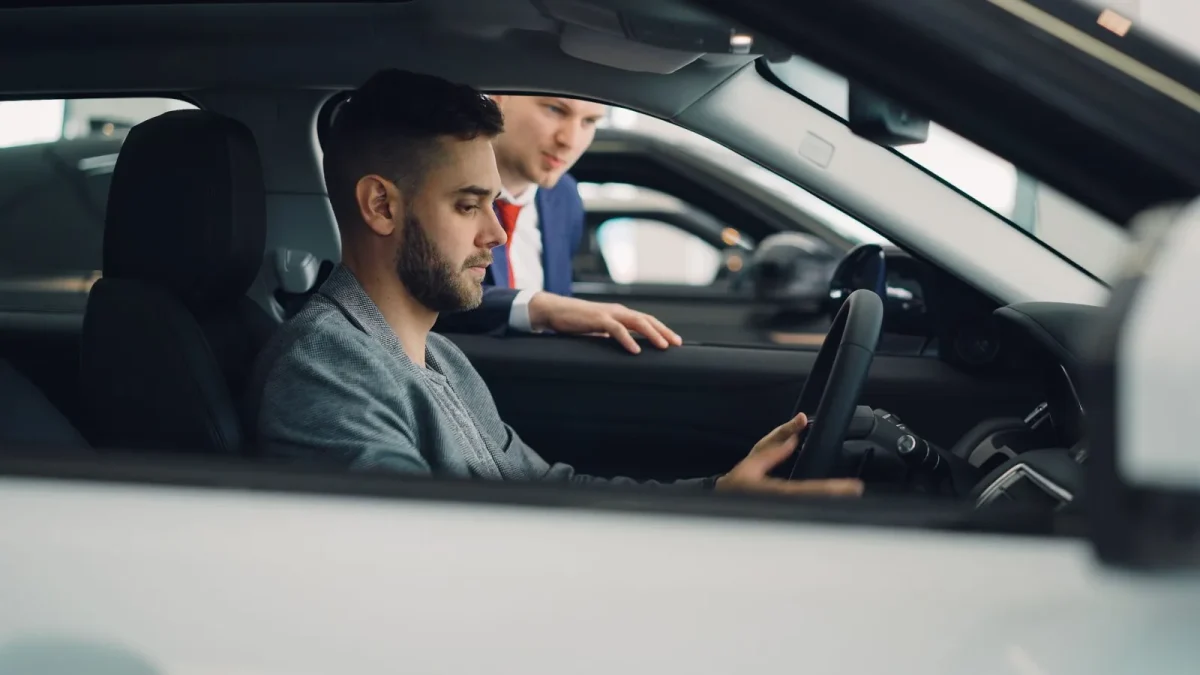
Test drives usually get spent on the fun stuff. How the brakes feel, whether the infotainment lags, if the seat fits your back for the long haul. The blind spot system almost never gets a fair look, and that is exactly the feature that costs the most to fix if it is broken.
I have inspected plenty of used cars where the seller swore everything worked. Sometimes the blind spot monitoring was simply switched off in a menu. Other times a rear-ended past life had left a corner sensor dangling behind a cheap salvage bumper, and nobody bothered to say so.
Here is the checklist I run through in the lot before I trust a car’s driver assist features. It takes about ten minutes and needs nothing but you, the seller’s permission, and a parking lot with a few other cars in it.
Key takeaways
- A blind spot system that is merely switched off in a settings menu is easy to mistake for a broken one, so check the menu first.
- You can verify the mirror indicators, rear cross-traffic alert, and dash warnings in a parking lot in under ten minutes.
- A permanent warning light, a system unavailable message, or dead mirror indicators are red flags worth $150 to over $1,000 to chase down.
- Past collision repair near the rear corners is the single biggest predictor of blind spot trouble on a used car.
Before you turn the key: confirm the car even has it
Not every trim of a given model includes blind spot monitoring. A base 2019 Corolla and a loaded one look nearly identical from the outside but differ under the skin.
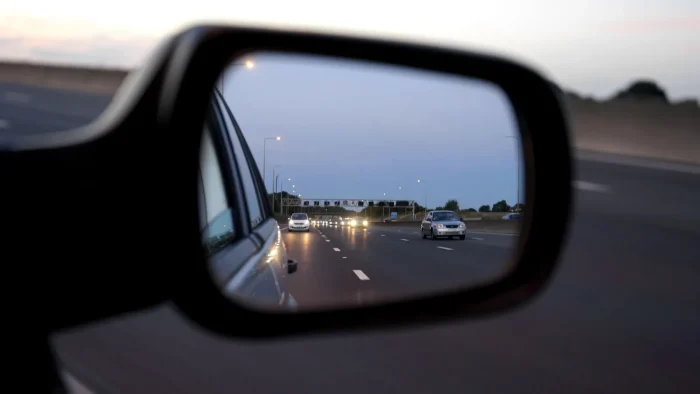
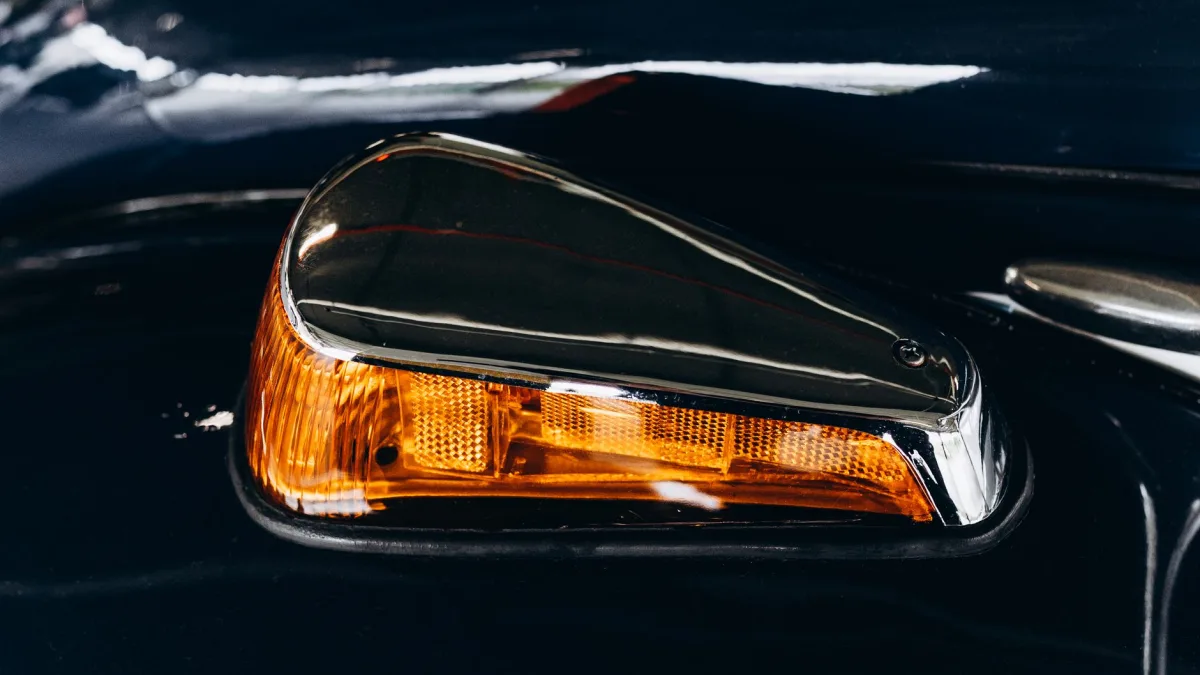
Look for the small warning symbol on the side mirrors, usually an amber car icon or a triangle. No indicator on the mirror glass almost always means no system, no matter what the listing claims.
Good to know
Some Honda models use LaneWatch, a camera that shows the passenger blind spot on the center screen instead of a mirror light. That is a different animal with different limits, and our comparison of Honda LaneWatch versus blind spot monitoring explains why one is not a straight substitute for the other.
Step one: check the settings menu first
The most common false alarm is a system that was simply turned off. Many vehicles let the driver disable blind spot monitoring, and a previous owner may have left it that way.
- Open the driver assist or vehicle settings menu on the dash or infotainment screen.
- Find the blind spot monitoring toggle and confirm it is switched on.
- Check for a separate rear cross-traffic alert toggle and switch that on too.
- Note whether any option is grayed out, which can hint at a deeper fault.
If a setting is missing entirely, the car may not have the feature. If it is present but grayed out or refuses to enable, that points to a hardware problem you will want to investigate before buying.
Step two: watch for warning lights at startup
When you first switch the ignition on, the cluster runs a bulb check and most warning symbols flash briefly, then clear. That brief flash is normal and healthy.
What you do not want is a blind spot symbol or a system unavailable message that stays lit after the car has been running for a minute. That is the vehicle telling you it already knows something is wrong.
Watch out
A seller who hands you the keys with the engine already warm may be hiding a light that only appears at cold start. Insist on starting the car yourself from cold, and watch the cluster through the whole startup sequence.
If you do spot a persistent message, do not panic yet, but do read up on it. Our guide to the blind spot system unavailable message explains which causes are cheap and which ones mean a pricey sensor.
Step three: test the mirror indicators live
This is the heart of the check. You need another vehicle to trigger the system, so a busy parking lot is perfect.
- With the seller riding along, drive slowly down a lane lined with parked cars.
- Watch the mirror on the side facing the parked row as you pass each vehicle.
- Confirm the indicator lights up as a car enters the blind zone and goes dark as you clear it.
- Repeat on the other side so you test both corner sensors, not just one.
Both indicators should behave the same way. If one side lights up and the other stays dark, you likely have a dead or blocked sensor on the quiet side. That single detail can be the difference between a healthy system and a repair bill.
Tip
A sensor caked in road grime or covered by a dealer sticker can fake a failure. Before you write the car off, glance at the rear bumper corners for mud or adhesive. Our walkthrough on blind spot sensor cleaning shows how a two-minute wipe sometimes brings a system back to life.
Step four: verify rear cross-traffic alert
The corner radar sensors usually do double duty, powering rear cross-traffic alert when you reverse. Testing it confirms the same hardware from a second angle.
Find a parking space with a clear lane behind it, shift to reverse, and back out slowly while another car or a helper walks across the lane behind you. You should hear a chime and see a flashing alert as the crossing object enters the danger zone.
No reaction at all points back to those corner sensors. If the front indicators worked but this does not, our piece on rear cross-traffic alert not working helps you tell a settings issue from a sensor issue.
Step five: inspect the rear corners for past bodywork
A car that has been rear-ended and repaired is the highest-risk candidate for blind spot problems. Bumper repairs disturb the radar sensors, and shops routinely skip the calibration that should follow.
| What to look for | Why it matters |
|---|---|
| Paint mismatch on rear corners | Signals a repair that may have disturbed sensors |
| Uneven panel gaps at the bumper | Suggests a cover that no longer sits factory-straight |
| Overspray or masking lines | Points to repainting near the sensor zone |
Run your eye and a fingertip along both rear corners. If you find evidence of a repair, ask directly whether the radar was recalibrated. If you want the full list of errors these repairs introduce, our breakdown of blind spot monitoring mistakes after bumper repair is the companion to this check.
A working blind spot system on a used car is a small thing that quietly proves the previous owner cared. A broken one is a warning about everything you cannot see.
What each red flag is worth
Not every fault is a dealbreaker, but each one is a bargaining chip. A blocked sensor might cost you nothing but a wash. A misaligned one after bodywork might run $150 to $400 for calibration. A failed radar module can climb past $1,000 with parts and programming.
Knowing which category you are looking at lets you negotiate honestly instead of walking away from a good car or overpaying for a bad one. The complete map of symbols and messages lives in our pillar on blind spot monitoring warning lights, which is the reference I would keep open on my phone during any used-car inspection.
Good to know
Consumer Reports and the National Highway Traffic Safety Administration both track how much these safety features reduce crashes. The NHTSA resources are a solid place to confirm a specific model even offered the system in a given year before you inspect it.
Run the check, trust the result
Ten minutes with this checklist tells you more about a used car’s driver assist health than any window sticker. Confirm the feature exists, rule out a menu toggle, watch the lights, test both sensors from the front and the rear, and read the bumper corners like a story about the car’s past.
Do that, and you buy with your eyes open. Skip it, and you may inherit a repair the seller was happy to let you discover on your own.
Questions drivers ask
Look for a small amber car or triangle icon on the side mirror glass. No indicator on the mirrors almost always means no system, regardless of what the listing says. You can also check the driver assist settings menu for a blind spot toggle.
One dark side usually means a dead or blocked corner sensor on that side. Check the rear bumper corner for mud, a dealer sticker, or signs of past bodywork. If it is clean and undamaged, the sensor itself may have failed and needs diagnosis.
Yes. Find a space with a clear lane behind it, shift to reverse, and back out slowly while a helper or another car crosses behind you. You should hear a chime and see a flashing alert. No reaction points to the same corner sensors that run blind spot monitoring.
It is the biggest predictor of blind spot trouble. Bumper repairs disturb the radar sensors, and many shops skip the calibration that should follow. Ask directly whether the radar was recalibrated, and test the system yourself before buying.
It depends on the cause. A blocked sensor may just need cleaning. A misaligned sensor after bodywork runs roughly $150 to $400 to recalibrate. A failed radar module can exceed $1,000 with parts and programming, so use any fault as a bargaining point.