A customer once rolled into my bay convinced his new sedan was defective. His complaint? He had taken both hands off the wheel on the interstate to prove the car could drive itself, and it had beeped at him and started slowing down. In his mind, that was a fault. In reality, the car worked perfectly. His understanding of it did not.
That conversation stuck with me because he is not unusual. The gap between what lane keep assist actually does and what drivers believe it does is wide, and some of those beliefs are genuinely dangerous.
Let me clear the air on the myths I hear most, and explain what is really happening behind that little green icon.
Key takeaways
- Lane keep assist is not self-driving. It is a corrective aid that assumes you are steering.
- It does not work hands-free; taking your hands off triggers warnings and eventually shuts it down.
- It cannot reliably steer you through sharp corners or tight curves on its own.
- It depends entirely on visible lane paint, so it fails on faded lines, snow, and unmarked roads.
- Treating it like an autopilot instead of an assistant is how good drivers get into bad crashes.
Myth 1: Lane keep assist means the car drives itself
This is the big one, and it is the most dangerous. Lane keep assist is a Level 2 driver aid at most, which in plain terms means you are still driving, always. The system nudges the wheel to help, but it assumes a human is in full control.
I have watched YouTube clips of people climbing into the back seat of moving cars. That is not a feature. That is a way to end up wrapped around a guardrail. No mainstream lane keep system on sale is designed to operate without an attentive driver.
The word in the name is assist, not autopilot. It helps you steer. It does not replace you.
If you want the honest scope of what these systems can and cannot do, our complete lane keep assist guide lays out the real capabilities without the marketing gloss.
Myth 2: You can drive hands-free with it
Closely tied to the first myth, and just as wrong for most vehicles. The overwhelming majority of lane keep systems demand hands on the wheel, and they check by sensing steering torque, not touch.
Let go, and the car starts a countdown. First a dashboard icon, then a chime, then a louder alarm, and finally the system disengages and may slow the car until you take over. That whole escalation confuses drivers who think the nagging means something is broken.
Good to know
A few premium hands-free systems do exist, but they only work on specific pre-mapped highways and watch your eyes with a driver-facing camera. Ordinary lane keep assist is not one of them, and treating it like one is a mistake.
The nag itself trips people up so often that it deserves its own explanation. If your car warns you even when your hands feel like they are on the wheel, our piece on the steering wheel nag alert tells you why.
Myth 3: It steers you around corners
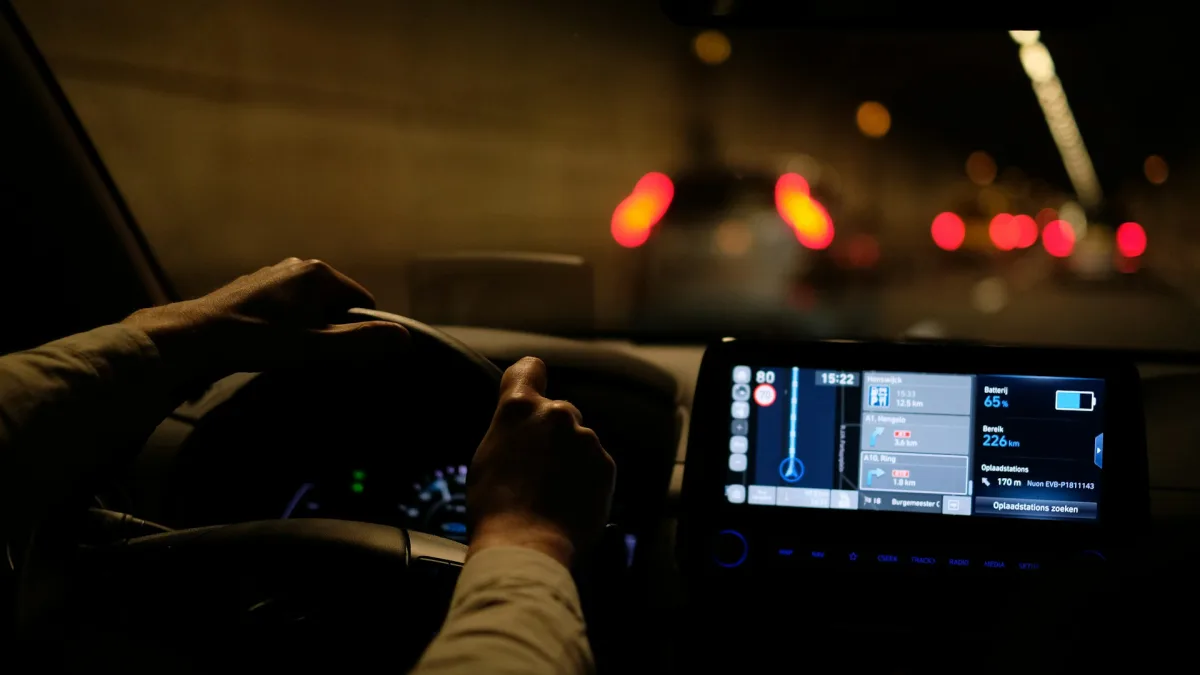
Here is a subtle one that catches even careful drivers. Lane keep assist is tuned for gentle highway curves, not sharp bends. Hit a curve tighter than the system can track, and it quietly hands control back to you.
The danger is complacency. If you have relaxed into letting the car follow a long, lazy highway sweep, and then a sharper curve arrives, the assist may fade out at exactly the wrong moment. A driver who was not paying attention drifts wide.
I tell people to think of it as help on the easy stretches and nothing more. The tighter the road, the more it is on you.
Myth 4: It works on any road
Lane keep assist reads painted lines through a forward camera. No clear lines, no assist. That simple fact demolishes a surprising number of assumptions.
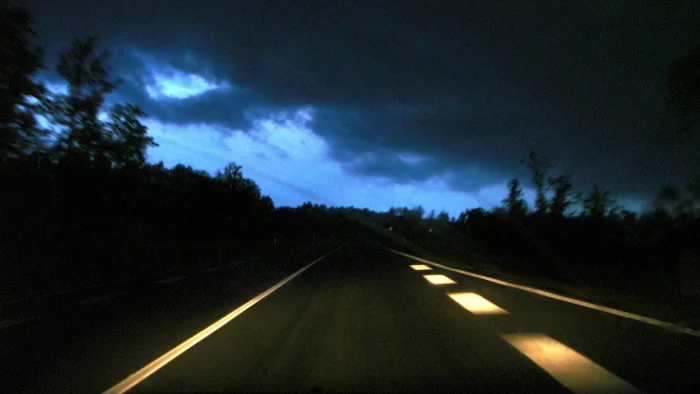
Faded county-road paint, snow-covered markings, freshly repaved asphalt with no stripes yet, gravel roads, and confusing double-painted work zones all blind the system. It is not failing when it drops out on these. It simply has nothing to steer by.
- Worn or ghosted lane paint on older roads.
- Snow, slush, or heavy rain hiding the lines.
- Construction zones with old and new lines both visible.
- Unmarked rural or residential streets.
- Low sun glare washing out the camera image.
Faded paint in particular fools a lot of drivers into thinking their car is broken. Our detailed look at why lane keep assist fails on faded lane lines shows exactly what the camera sees when the paint gives out.
Myth 5: If it turns off, the car is broken
This might be the most common false alarm I deal with. A driver sees the lane icon drop out and assumes a defect. Nine times out of ten, the system is behaving exactly as designed.
It disengages below a minimum speed, often around 37 to 45 mph. It disengages when the lines disappear. It disengages when the camera is blinded by sun or grime. None of that is a fault. Our guide on why lane keep assist keeps turning off ranks these everyday causes so you can tell normal from broken.
Tip
Before you book a diagnostic, note where and when the drop-outs happen. A consistent pattern, like always cutting out on the same faded stretch, points to the road, not your car. Random drop-outs on clean, marked highway are the ones worth investigating.
Myth 6: All lane systems are the same
Drivers often lump every lane feature together, but they behave very differently. Lane departure warning only alerts you. Lane keep assist corrects your steering. Lane centering actively holds you in the middle continuously.
Mixing these up leads to wrong expectations. Someone who thinks their warning-only system will steer them back is trusting a feature their car does not have. Our comparison of lane keep assist versus lane departure warning untangles which one you actually have.
| System | What it does | Common myth |
|---|---|---|
| Lane departure warning | Alerts only, no steering | People expect it to steer |
| Lane keep assist | Corrects drift with a nudge | People expect it to self-drive |
| Lane centering | Holds center continuously | People expect it hands-free |
Why these myths matter more than you think
Believing a myth about a coffee maker costs you a bad cup. Believing a myth about a system that steers your car costs you far more.
The research is clear that these features prevent real crashes when used correctly. The NHTSA and independent safety groups have documented meaningful drops in lane-departure crashes. But every one of those benefits assumes an attentive driver who understands the system is an aid, not a chauffeur.
Watch out
The single most dangerous habit is over-trusting the system on a road it was never built for. If you catch yourself relaxing your attention because the car is steering, that is the exact moment to reset your grip and your focus.
The mindset that keeps you safe
Treat lane keep assist like a helpful passenger who occasionally grabs the wheel to keep you honest, not like a driver who took your place. Keep your hands on, your eyes up, and your expectations realistic.
Do that, and the system does exactly what it was built to do: catch the drift you did not notice, on the long highway hours when attention fades. Ask it to do more than that, and you are betting your safety on a myth. For the full, myth-free picture of how it all works, circle back to our complete lane keep assist guide.
Questions drivers ask
No. Lane keep assist is a Level 2 aid at most, which means you are always driving. It nudges the wheel to correct drift but assumes an attentive human is in full control. It is not designed to operate without you.
For the vast majority of cars, no. The system senses steering torque and expects your hands on the wheel. Let go and it warns you, then disengages and may slow the car. Only a few premium hands-free systems exist, and they work on specific mapped highways with eye tracking.
Not reliably. It is tuned for gentle highway curves. On a bend tighter than it can track, it hands control back to you, sometimes at the worst moment. Stay alert and steer through anything sharper than a highway sweep yourself.
No. It reads painted lane markings through a forward camera. On faded, snow-covered, unmarked, or freshly paved roads with no stripes, it has nothing to steer by and drops out. That is normal behavior, not a defect.
Usually not. It disengages by design below a minimum speed, when lines disappear, or when the camera is blinded by sun or grime. A consistent drop-out pattern points to the road. Random drop-outs on clean, marked highway are the ones worth checking.