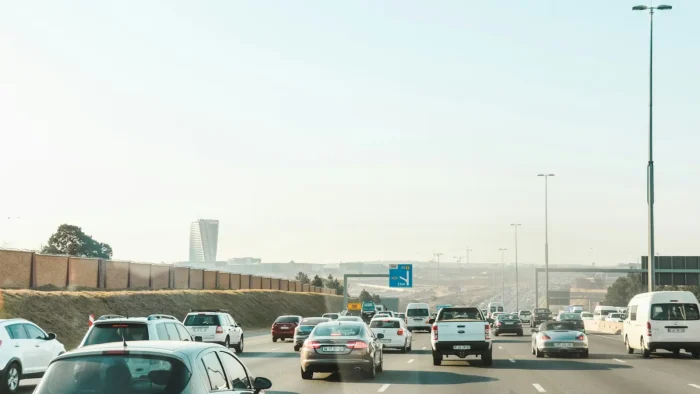
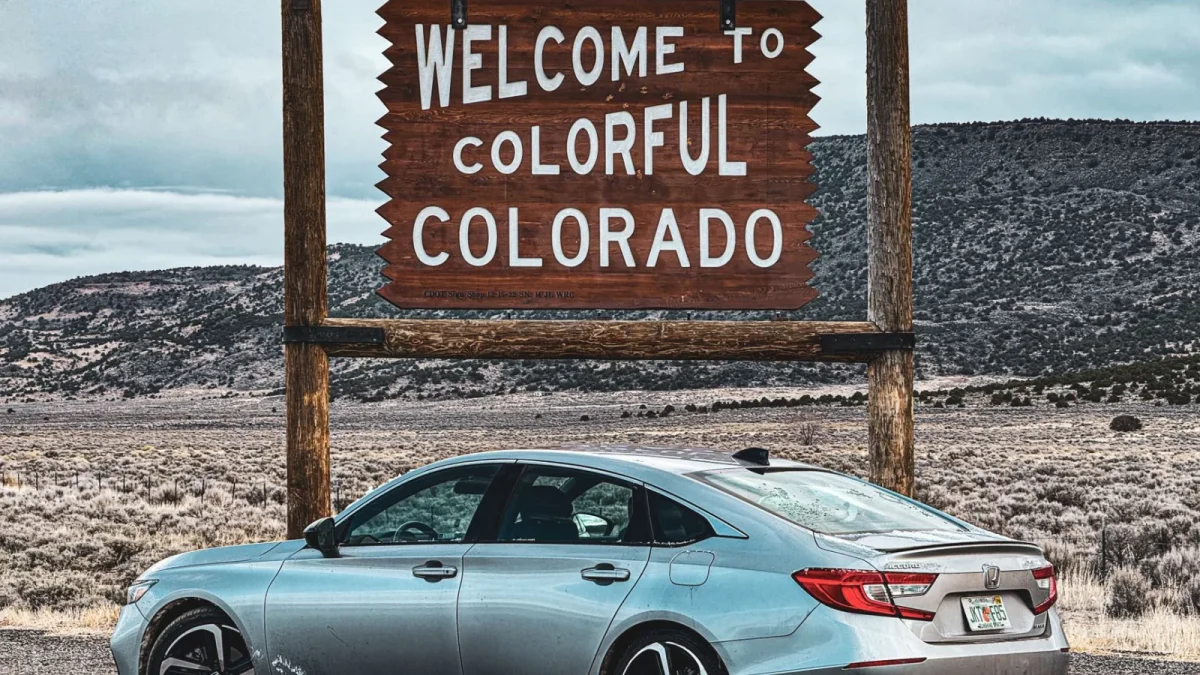
A customer rolled into my bay a few years back convinced her Accord was “fighting” her on the highway. She swore the wheel tugged left when she drifted, then slammed the brakes when she got close to the shoulder. She thought something was broken. Nothing was broken. She had simply met two different Honda systems doing exactly what they were designed to do, and she had never been told they were two separate things.
That confusion is the whole reason this article exists. Honda bundles a soft, everyday helper and a hard, last-second guardian under the same Honda Sensing umbrella, and the two behave nothing alike.
Key takeaways
- LKAS is the gentle one: it nudges the steering to keep you centered when lane lines are clear and you are moving fast enough.
- Road Departure Mitigation (RDM) is the emergency one: it steers and brakes to stop you from leaving the road entirely.
- LKAS works constantly and quietly; RDM only wakes up when you are about to cross a line or run off the pavement.
- Both rely on the windshield camera, so a dirty lens, faded paint, or a recent glass swap can knock them out.
What LKAS actually does on a normal drive
LKAS stands for Lane Keeping Assist System. Think of it as a helper that keeps light pressure on the wheel to hold you in the middle of your lane. On most Honda models from 2016 onward, it switches on above roughly 45 mph, though the exact threshold varies by model year.
When it is active, you will see a green lane icon light up in the gauge cluster, usually two lines with a car between them. That green means the camera sees both lane markings and the system is ready to help.
Here is the part people miss. LKAS is not autopilot. It provides small steering corrections, not sustained control. If you drift toward a line, it applies a mild counter-steer to pull you back. It will not take a curve for you if you stop steering, and it will not hold the car dead center on a winding two-lane road.
Good to know
LKAS and Honda’s adaptive cruise (ACC) together make up what many owners loosely call “lane centering.” If you want the deeper comparison, our breakdown of lane centering versus lane keep assist lays out why they are not the same feature.
What Road Departure Mitigation does differently
RDM is the muscle. Where LKAS is a steady, invisible hand, RDM is a bouncer that only steps in when things go wrong. It is designed to keep the car from leaving the road, whether that means crossing a solid line or wandering onto the shoulder or grass.
RDM works in stages. First it gives you a warning: the steering wheel vibrates and a bright alert flashes. If you do not correct, it applies steering input to guide you back. If you are still headed off the road, it will apply the brakes to slow the car down.
That braking stage is what startled my Accord customer. RDM felt aggressive because it is supposed to. It is not there to make your commute smoother. It is there for the moment you nod off, glance at your phone, or get run wide by a gust of wind.
LKAS keeps you tidy. RDM keeps you alive. Learn to tell the difference and neither one will surprise you.
Side by side: when each system steps in
The cleanest way to keep them straight is to look at the trigger, the action, and how often you feel it.
| System | When it acts | What you feel |
|---|---|---|
| LKAS | Continuously above ~45 mph with visible lane lines | Light, steady steering nudges toward center |
| RDM | Only when you are about to cross a line or leave the road | Wheel vibration, a firm steering correction, then braking if needed |
One is a background process. The other is an alarm. If your Honda is quietly holding a lane, that is LKAS. If it just shook the wheel and yanked you back from a shoulder, that was RDM.
The camera behind both systems
Both LKAS and RDM see the world through a single monocular camera mounted at the top of the windshield, behind the rearview mirror. There is no separate sensor for each system. They share one set of eyes.
That shared camera is why both features fail together so often. If the lens is fogged, iced, or caked with bugs, neither system can find the lane lines. You will usually get a message like “Lane Keeping Assist System problem” or a temporary unavailable notice.
Watch out
Faded or missing paint fools the camera more than drivers expect. On worn rural roads or fresh construction zones, both systems can quietly drop out. If yours cuts out constantly, our guide on why lane keep assist fails on faded lane lines explains what the camera can and cannot see.
Weather is the other big offender. Heavy snow, hard rain, and low winter sun all blind the camera. If you commute through real winter, it is worth reading why lane keep assist stops working in snow so a blank dash icon does not catch you off guard.
The nag, the errors, and the fixes
Why Honda wants your hands on the wheel
LKAS is a helper, not a driver, so Honda checks that you are still steering. If it senses no torque on the wheel for too long, it flashes a “hold steering wheel” alert. People often mistake this for a fault. It is not. It is the system confirming a human is in charge.
If that prompt drives you nuts, it is the same family of alert we cover in our piece on the steering wheel nag alert and what it means. The short version: rest a hand on the rim with a little grip and the nag stays quiet.
When it turns itself off
LKAS switching off mid-drive is almost always the camera losing confidence, not a mechanical failure. Dirty glass, sharp shadows, worn paint, and tight curves all cause it. A recurring dropout deserves attention, and our walkthrough on why lane keep assist keeps turning off covers the usual suspects in order.
Tip
Before you book any service, wipe the inside and outside of the windshield right where the camera looks out, roughly a palm-sized zone below the mirror. I have cleared plenty of “camera problem” messages with a microfiber cloth and thirty seconds. It costs nothing and rules out the easiest fix first.
After a windshield replacement
This one trips up a lot of Honda owners. Replace the windshield and the camera almost always needs recalibration, because it now sits a hair differently than it did before. Skip that step and LKAS and RDM may throw errors or behave oddly. Both a static and a dynamic calibration are commonly required, which is why the calibration cost and the reasons lane keep assist goes off after a windshield swap are worth knowing before you pay a glass shop.
Quick self-check if something feels off
- Confirm you are above the activation speed, typically around 45 mph, for LKAS to engage.
- Check the dash for a green lane icon (working) versus an amber or crossed-out icon (unavailable).
- Clean the windshield glass directly in front of the camera housing.
- Notice whether lane lines on your road are actually clear and painted.
- Recall any recent windshield work; if so, the camera likely needs recalibration.
Honda’s own documentation and independent testers describe these systems as driver aids, not replacements for you. Groups like the IIHS advanced driver assistance overview make the same point across every brand: assume you are driving, always.
How this fits the bigger picture
Honda’s naming is confusing on purpose only in the sense that marketing loves acronyms. Once you separate the gentle centering helper from the emergency guardian, the “fighting the wheel” complaint disappears.
If you want the full map of how all of this connects, from warning symbols to calibration, start with our complete guide to lane keep assist. It ties Honda’s approach to what other brands do so you can spot the pattern on any car you drive.
Learn the two systems, keep the camera clean, and let them do their jobs. That Accord owner drives happy now. She just needed to know she was meeting two helpers, not one broken one.
Questions drivers ask
No. LKAS is a continuous helper that keeps light steering pressure to hold you centered above about 45 mph. Road Departure Mitigation only activates in an emergency, vibrating the wheel, then steering and braking to stop you from leaving the road.
That is Road Departure Mitigation. If you drift toward the edge of the road and do not correct, RDM applies steering and then braking to keep the car on the pavement. It feels aggressive because it is meant for genuine run-off-road situations.
On most Hondas, LKAS has its own button near the steering wheel, and you can switch it off while leaving other Honda Sensing features active. RDM is tied to the broader safety system and is typically controlled through the settings menu, not a quick button.
They share a single camera behind the rearview mirror. A dirty or iced windshield, faded lane paint, or heavy weather blinds that one camera, so both systems drop out together. Cleaning the glass in front of the camera clears many of these faults.
Yes. The camera sits slightly differently after new glass, so Honda specifies recalibration. Skipping it can cause LKAS and RDM to throw errors or misread lane lines. Have the shop confirm the camera was recalibrated before you drive away.