A customer once handed me a windshield invoice, jabbed a finger at a line that read “ADAS calibration,” and asked why a piece of glass came with a computer bill attached. Fair question. The glass was $320. The calibration was another $250. To him it looked like padding.
It was not. That second charge is what makes the little camera behind your windshield trust its own eyes again after anyone disturbs it.
Let me lay out what lane camera calibration actually costs in 2024 and 2025, what you are paying for, and when you truly need it versus when a shop is reaching into your wallet.
Key takeaways
- Lane camera calibration typically runs $150 to $400, and can reach $600 or more on luxury and dual-camera setups.
- You need it any time the forward camera or its mounting is disturbed: windshield replacement, camera removal, or certain suspension and alignment work.
- Static calibration uses shop targets, dynamic calibration uses a road drive, and some vehicles require both.
- Skipping calibration leaves lane keep assist reading the road from the wrong angle, which is a genuine safety problem, not a cosmetic one.
What the calibration charge actually pays for
Your forward camera sits behind the windshield, near the rearview mirror, aimed at the road ahead. Lane keep assist lives or dies on that aim. The system assumes the camera points at one exact angle, and it builds its whole picture of the lane from that assumption.
Move the camera even a fraction of a degree and the math falls apart. A new windshield sits at a slightly different thickness or angle. Remove the camera bracket and it never returns to the identical spot. The hardware still works, but it is now lying to the computer about where the road is.
Calibration reteaches the camera its own aim. A technician either sets precision targets in front of the car or drives a specific route while a scan tool watches, and the software writes down the true angle. That labor, the equipment, and the software access are what the line item covers.
Good to know
This is the same forward camera that many cars use for automatic emergency braking and adaptive cruise. So the calibration you pay for after a windshield swap often protects several systems at once, not just lane keep assist.
The real price ranges in 2024 and 2025
Prices vary by vehicle, region, and who does the work. Here is what I see land on invoices most often.
| Calibration type | Typical cost | Common on |
|---|---|---|
| Static (shop targets) | $150 to $350 | Toyota, Honda, Subaru, Mazda |
| Dynamic (road drive) | $100 to $300 | Many Ford, GM, Hyundai, Kia |
| Static plus dynamic | $300 to $600 | Some Subaru, Nissan, European makes |
| Luxury or dual-camera | $400 to $800+ | BMW, Mercedes, Audi, Volvo |
Notice the wide spread. A Corolla and an X5 are not in the same universe here. The luxury numbers climb because those systems often use multiple cameras and radar that all have to agree with one another.
Independent ADAS calibration specialists frequently beat dealer pricing by $75 to $150, and mobile calibration outfits now come to your driveway for many common models. Just confirm they use factory-level targets and software, not a generic guess.
When you actually need it
Not every service triggers calibration. Knowing which ones do keeps you from paying for it needlessly and from skipping it when it matters.
- Windshield replacement or removal (the single most common trigger).
- Front camera removed, replaced, or its bracket disturbed.
- Front-end collision repair, even a minor one.
- Suspension or ride-height changes that alter how the car sits.
- Sometimes a four-wheel alignment, because thrust angle affects camera aim.
- Any dashboard message stating the camera is unavailable after service.
The windshield case is the big one, and it catches people off guard because a glass shop may not mention calibration until the invoice. If your car has lane keep assist and you are getting new glass, assume calibration is part of the job and ask about it up front. We walk through exactly that scenario in our breakdown of lane keep assist that quits after a windshield swap.
Watch out
Some low-cost glass installers quietly skip calibration to keep their quote attractive, then hand you a car with a dark or misaimed lane camera. If the price seems too good and nobody mentioned calibration, that corner is exactly what got cut.
Static versus dynamic, and why some cars need both
The two methods sound interchangeable but they are not, and the difference shows up on your bill.
Static calibration
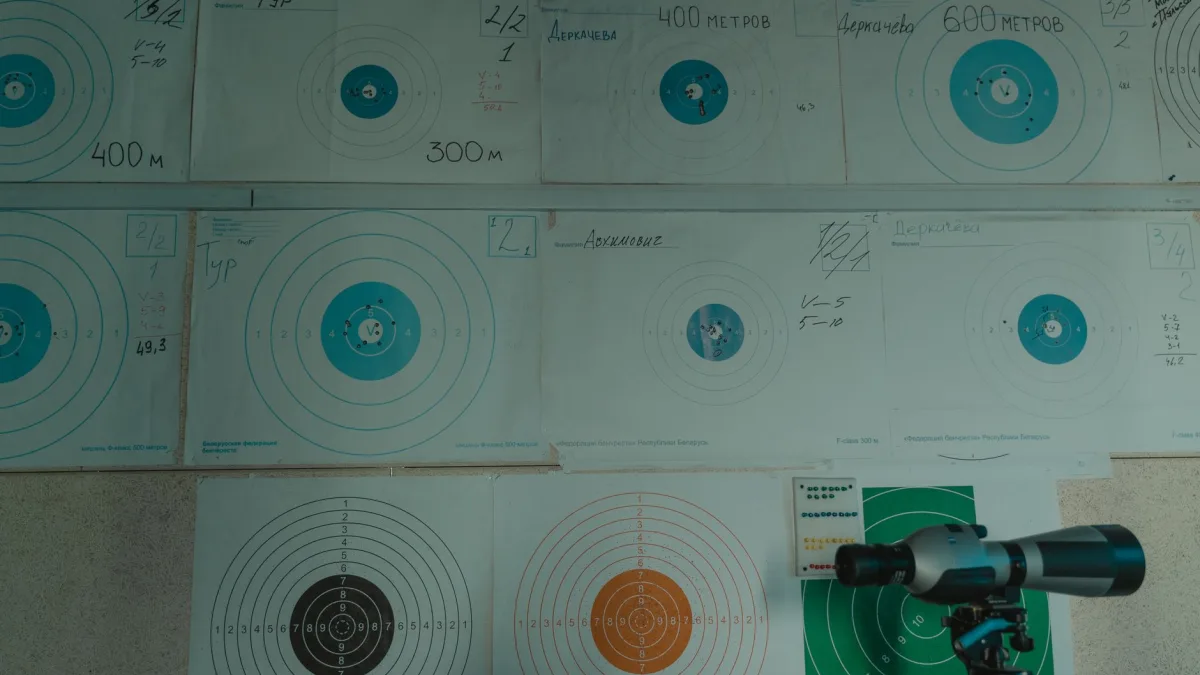
The car stays parked in a controlled bay. The technician places printed targets at measured distances and heights, squares everything to the vehicle centerline, and lets the camera study them. It needs level floors, controlled lighting, and real space, which is why not every shop can do it.
Dynamic calibration
Here the technician plugs in a scan tool and drives a set route, often 20 to 45 minutes, at specific speeds on well-marked roads. The camera calibrates itself against real lane lines while the tool confirms progress. Weather and paint quality matter, so a rainy day with faded lines can stall the whole process.
Vehicles that demand both are simply following the manufacturer procedure, and there is no shortcut around it. That is where the $300 to $600 tickets come from.
Calibration is not a suggestion buried in a service manual. It is the step that decides whether your lane keep assist steers toward the lane or toward the guardrail.
What happens if you skip it
People ask whether they can just live with an uncalibrated camera. Technically the car drives fine. The danger is subtle, which is exactly what makes it dangerous.
An uncalibrated lane camera may center you slightly off, nudge at the wrong moment, or throw false lane departure warnings. In the worst case it steers with confidence toward a lane edge that is not where it thinks it is. You would only find out at the moment you least want a surprise.
Many vehicles are smart enough to disable the feature and post a warning rather than run blind, which is why some drivers see lane keep assist mysteriously grayed out after service. If that is you, our guide on why lane keep assist keeps turning off covers the calibration angle among the other causes.
Tip
Ask for the calibration report before you pay. A proper job produces a pass document from the scan tool with your VIN on it. That paper is your proof the camera was actually retaught, not just cleared of codes.
How to keep the cost fair
A few habits keep this charge honest without cutting a corner that matters.
Bundle it with the work that caused it. If a windshield or collision repair is already happening, calibration done in the same visit avoids a second diagnostic fee. Get the calibration line quoted in writing alongside the main job.
Compare a dealer against a dedicated ADAS calibration shop. The specialists own the exact targets and software and often charge less than the dealer’s posted rate for the identical procedure.
And confirm the shop even can calibrate your model before you book. A place without the right targets or a level bay will either send you elsewhere or attempt a shortcut, and neither helps you.
Where this fits in the bigger picture
Calibration cost is really one chapter in understanding how the whole lane system stays reliable. If you are new to any of this, our complete lane keep assist guide lays out how the camera reads the road and why its aim matters so much. For the difference between the gentle nudge and true mid-lane steering, our look at lane centering versus lane keep assist is worth a read before your next new-car test drive.
For an independent overview of how these driver-assist features are meant to work and why upkeep matters, My Car Does What is a plain-language reference backed by the safety community.
Pay the calibration charge when the job calls for it, ask for the report, and shop the price the same way you would any other service. It is not padding. It is the difference between a camera that sees the lane and one that only thinks it does.
Questions drivers ask
Most vehicles run $150 to $400. Luxury and dual-camera setups can reach $600 or more. Independent ADAS specialists often charge $75 to $150 less than a dealer for the same procedure.
Yes, if your car has a windshield-mounted lane camera. The new glass shifts the camera's aim slightly, and calibration reteaches it the correct angle. Skipping it can leave lane keep assist misreading the road.
Static calibration uses printed targets set at measured distances in a controlled bay. Dynamic calibration uses a road drive of 20 to 45 minutes while a scan tool watches. Some vehicles require both, which raises the cost.
The car will drive, but the lane camera may center you off, nudge at the wrong time, or throw false warnings. Many cars disable the feature and post a warning instead of running blind, so it is not worth the risk.
Static calibration usually takes 30 to 60 minutes once the car is set up. Dynamic calibration takes a 20 to 45 minute drive on well-marked roads. Bad weather or faded lines can stall a dynamic calibration and add time.